Key Takeaways
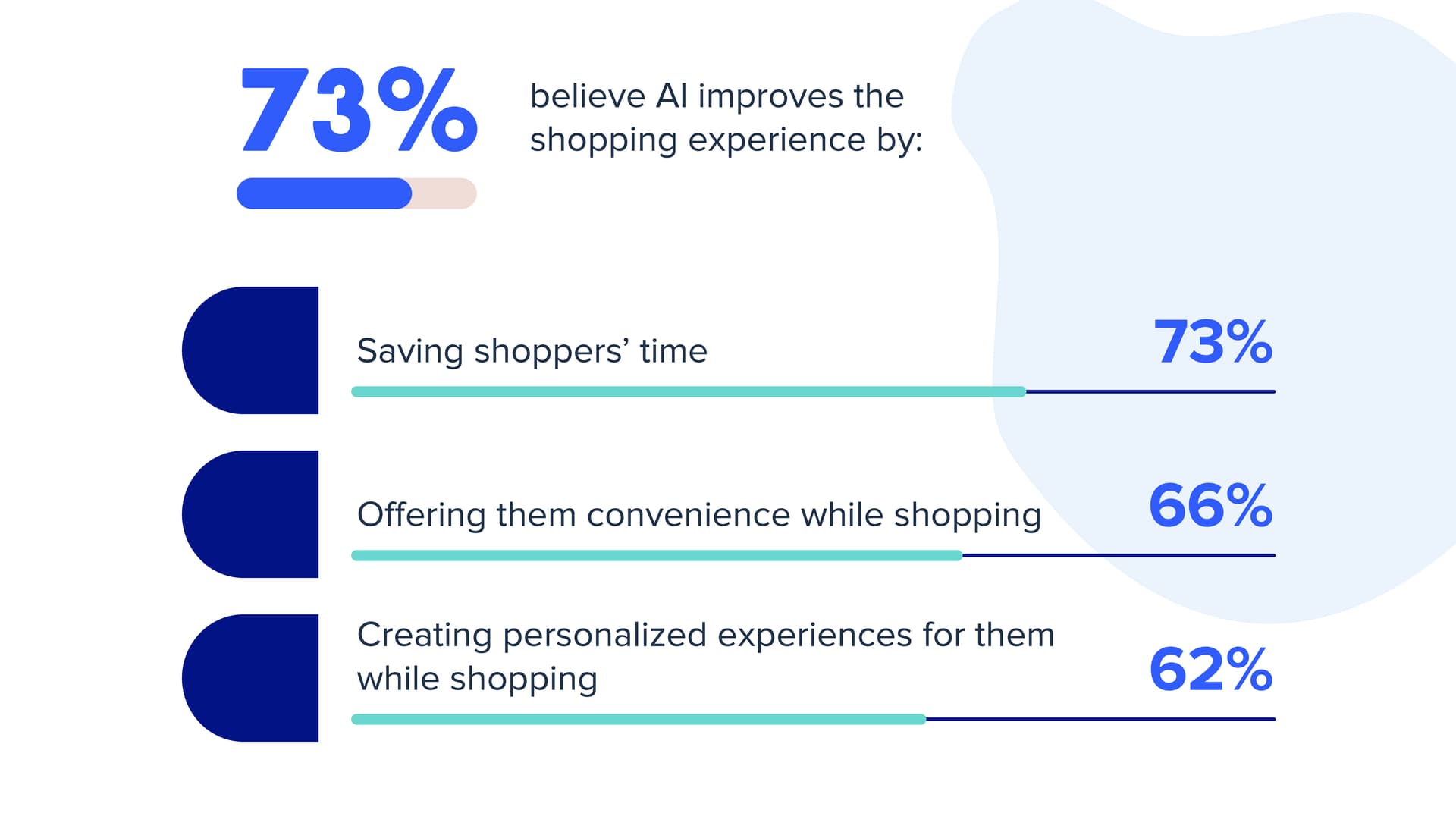
- A study reports 74% of consumers are willing to let an AI agent shop for them.
- This signals a paradigm shift in retail, with growing trust in autonomous AI for purchasing decisions.
What Happened
A recent study has revealed that 74% of consumers are ready to delegate their shopping to an AI agent. The finding, reported by Business Review, marks a significant milestone in the adoption of autonomous AI in retail. The research indicates that consumers are increasingly comfortable with AI agents handling tasks such as product research, price comparison, and even completing purchases on their behalf.
Why This Matters for Retail & Luxury
For luxury and retail brands, this statistic is a wake-up call. The willingness of consumers to hand over shopping decisions to an AI agent means that the traditional e-commerce funnel—browse, compare, add to cart, checkout—is being disrupted. Instead, brands must prepare for a future where AI agents act as intermediaries, making purchasing decisions based on learned preferences, brand loyalty, and real-time data.
Key Implications:
- Brand Discovery: AI agents will likely prioritize brands with strong digital footprints, structured product data, and positive reviews. Luxury brands must ensure their online presence is AI-agent-friendly.
- Personalization: Agents will leverage consumer data to make personalized recommendations, potentially reducing the role of human stylists or sales associates.
- Checkout Automation: With agents handling purchases, frictionless payment integration and API-first architectures become critical.
Business Impact
While the study did not provide specific revenue projections, the implication is clear: brands that optimize for AI agent interactions could capture a first-mover advantage. Early adopters in sectors like groceries, fashion, and electronics may see increased conversion rates as agents simplify the buying process. However, luxury brands must balance automation with the high-touch, experiential nature of their products.
Implementation Approach
To prepare for AI agent-driven shopping, retailers should:
- Optimize Product Data: Ensure product listings are structured, complete, and machine-readable (e.g., schema.org markup, clean APIs).
- Enable API-Based Purchasing: Allow AI agents to complete transactions via APIs, not just web interfaces.
- Build Trust Signals: Provide transparent return policies, verified reviews, and clear pricing to build agent trust.
- Invest in AI Readiness: Partner with AI platforms like Google Cloud or Anthropic to test agent interactions.
Governance & Risk Assessment
- Data Privacy: Agents will access consumer data; brands must ensure compliance with GDPR, CCPA, and emerging AI regulations.
- Bias in Decision-Making: AI agents may favor certain brands or products based on training data, potentially reinforcing biases.
- Maturity Level: While consumer willingness is high, the technology for reliable, secure agent shopping is still evolving. Expect 1-3 years before widespread deployment.
Retail & Luxury Implications
For luxury brands, the challenge is acute: AI agents may prioritize efficiency over brand experience. A Hermès scarf or a Rolex watch is not just a product—it's an experience. Brands must design agent interactions that convey brand story, craftsmanship, and exclusivity through structured data and rich metadata.
Example: An AI agent shopping for a gift might filter by price, style, and occasion. Luxury brands that embed their unique selling propositions into machine-readable formats will be chosen over those that don't.
The Bottom Line
The 74% figure is not just a statistic—it's a signal. Retailers and luxury brands must start building the infrastructure for AI agent commerce now, or risk being invisible in a world where machines do the shopping.
Source: news.google.com