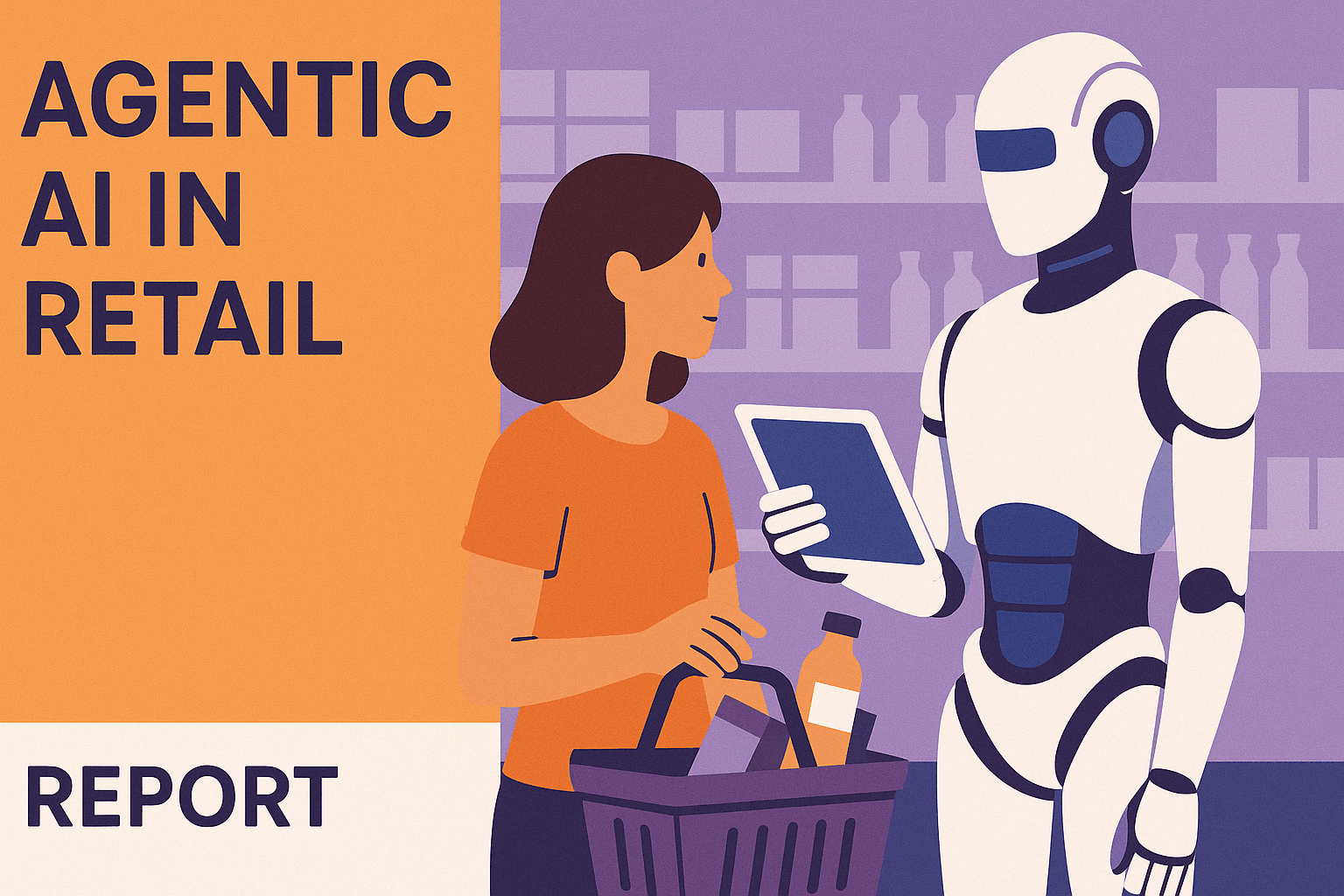
Key Takeaways
- Industry experts warn that the rush to implement agentic AI in retail carries significant risk.
- If brands attempt to shift liability for AI mistakes onto customers, they could erode hard-won consumer trust and face increased regulatory scrutiny.
The Warning
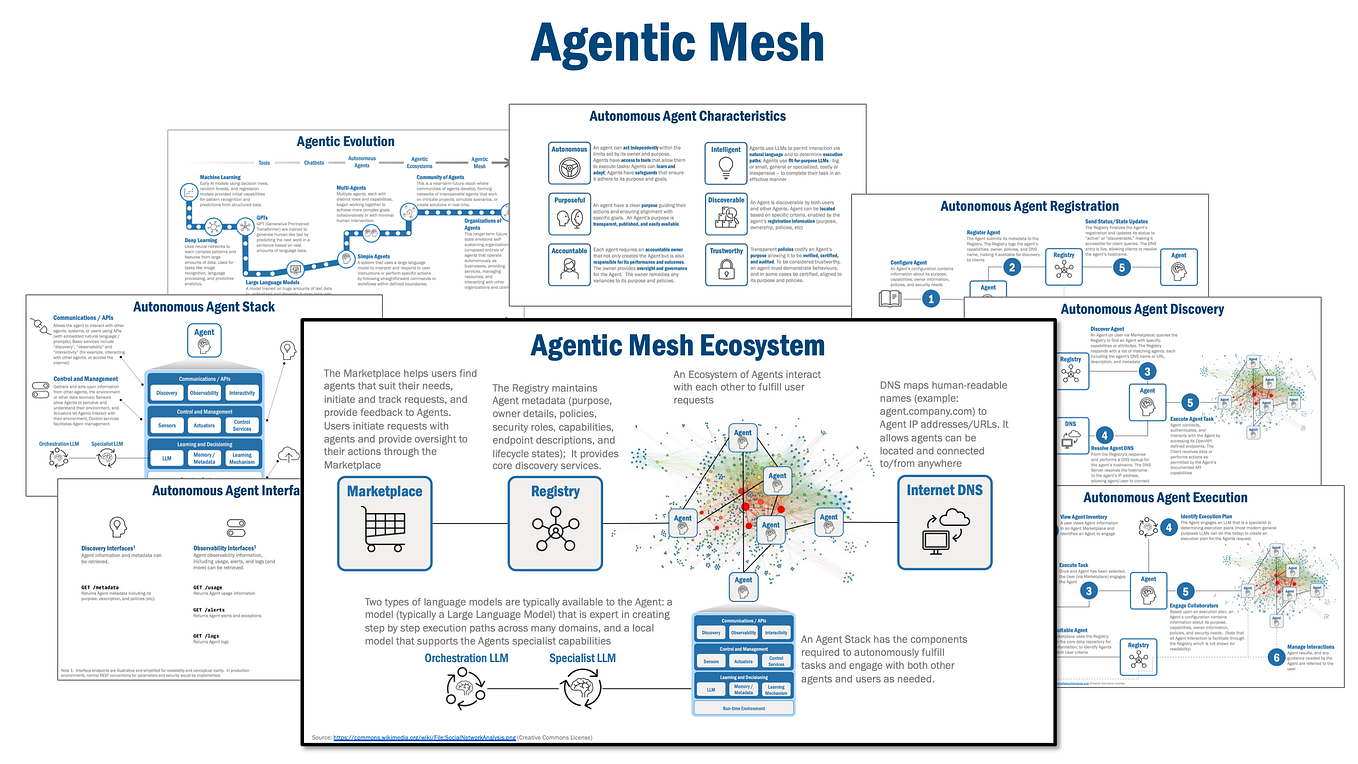
The narrative around Agentic AI in retail is shifting from pure technological promise to a more sober assessment of operational and ethical risk. According to industry analysis, as major retailers accelerate deployment of autonomous AI systems—agents that can perform tasks like customer service, personalized styling, and inventory management with minimal human oversight—a critical governance flaw is emerging. Some implementations are reportedly structured in ways that could transfer liability for AI errors, misunderstandings, or failures from the brand to the consumer.
This isn't a hypothetical technical bug; it's a fundamental design and policy choice. For example, an AI styling agent that recommends an unsuitable garment for an event, or an autonomous customer service bot that incorrectly processes a return, could, under certain terms of service, leave the consumer without recourse. The experts cited argue this is a dangerous path that directly conflicts with the core values of luxury and premium retail: trust, service, and accountability.
Why This Matters for Retail & Luxury
For luxury houses, trust is the primary currency. It is built over decades through consistent quality, impeccable service, and a clear brand promise. An AI system that makes a mistake is inevitable; how a brand handles that mistake defines the relationship.
Concrete Risk Scenarios:
- Personalization Failures: An agentic wardrobe assistant misinterprets a client's style preferences or size data, leading to repeated unsuitable recommendations. If the brand's position is "the AI made the choice, you approved it," the client feels unheard and poorly served.
- Transactional Errors: An autonomous concierge bot books a wrong appointment time, applies an incorrect promotion, or misfiles a special request. Shifting the burden to the customer to "verify all AI-generated actions" turns a service into a chore.
- Ambiguous Advice: In complex scenarios like gift selection or outfit planning for a specific dress code, an AI agent may provide confidently stated but sub-optimal or incorrect guidance. Holding the consumer liable for acting on that guidance is a breach of the advisory role the brand is supposed to play.
Business Impact
The business impact is binary: protect trust and ensure long-term loyalty, or optimize for short-term risk mitigation and incur long-term brand damage. Experts warn that the latter approach will:
- Erode Customer Lifetime Value (CLV): Luxury retail relies on decades-long client relationships. A single significant failure handled poorly can terminate that relationship.
- Invite Regulatory Scrutiny: Consumer protection agencies in the EU (via the AI Act and existing consumer rights directives) and the US are increasingly focused on algorithmic fairness and accountability. Proactively shifting liability to users will be a red flag for regulators.
- Create Competitive Vulnerability: A competitor that adopts a "brand-backed AI" stance—where the house stands behind its AI's actions—will immediately differentiate itself on trust and service.
Implementation Approach: The Trust-First Framework
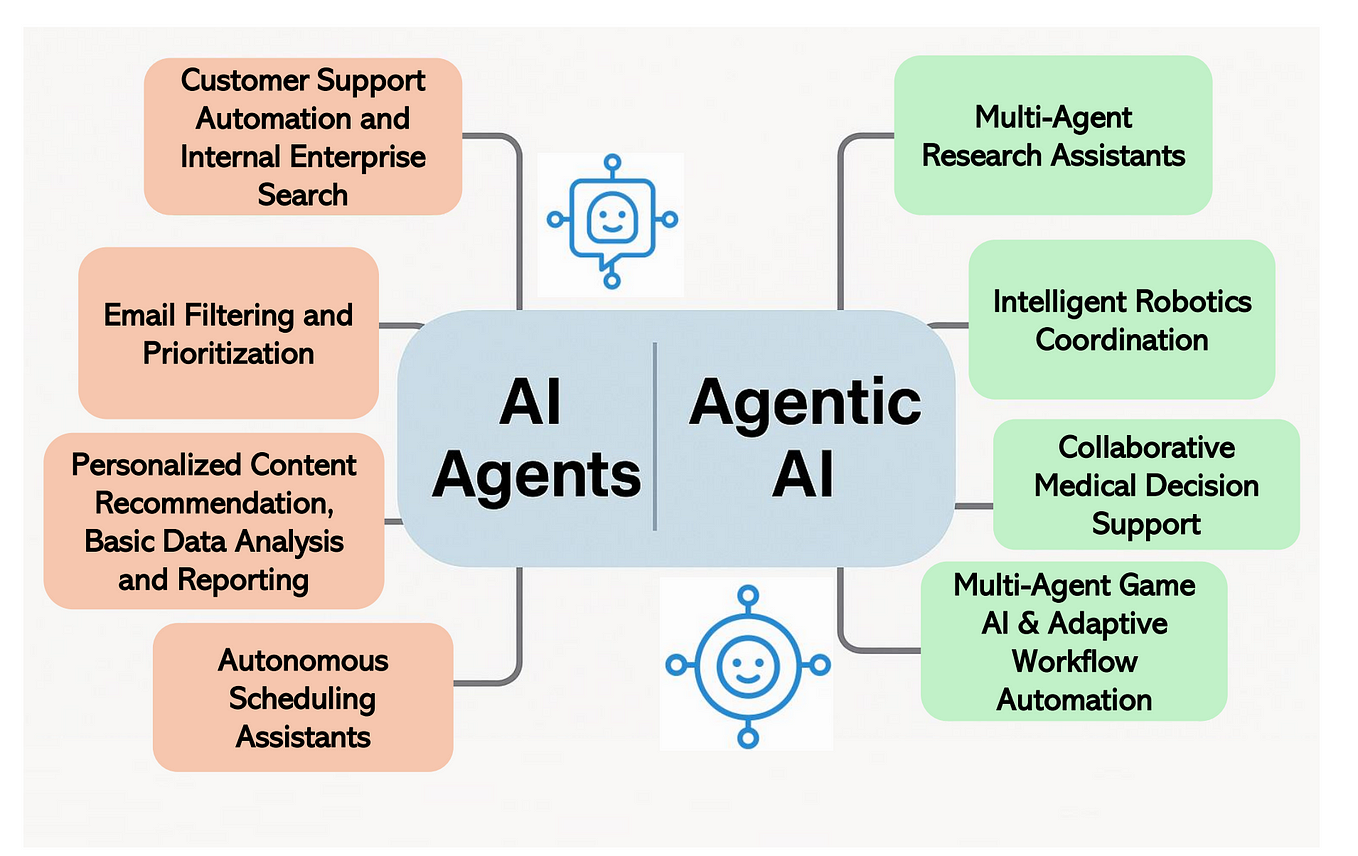
Deploying agentic AI responsibly requires a governance-first technical architecture.
- Clear Accountability Loops: Every AI agent workflow must have unambiguous, well-documented human-in-the-loop escalation points. The system must be designed to flag low-confidence decisions, potential brand policy violations, or high-value transactions for human review.
- Transparent Terms of Engagement: The capabilities and limitations of the AI agent must be communicated clearly to the consumer before engagement. This is not about legalese; it's about setting appropriate expectations.
- Robust Audit Trails: Every interaction, decision point, and data point used by the agent must be logged in an immutable audit trail. This is non-negotiable for resolving disputes, improving the system, and demonstrating compliance.
- Error Resolution as a Feature: The post-error workflow—how a mistake is acknowledged, corrected, and compensated—must be designed with the same care as the primary AI service. This is where trust is actually built.
Governance & Risk Assessment
Maturity Level: Early/Experimental.** Agentic AI in complex retail environments is not a mature technology. It operates in a probabilistic space, meaning errors are a certainty, not a possibility.
Primary Risks:
- Brand Dilution: The perception of the brand shifts from "curator" or "trusted advisor" to "faceless algorithm."
- Reputational Damage: Viral social media posts about AI failures with poor resolution are a significant threat.
- Regulatory Fines: Violations of consumer protection or emerging AI regulations could result in penalties amounting to percentages of global revenue.
- Data Privacy: Autonomous agents require access to sensitive client data. Improper handling or security breaches are catastrophic.
Mitigation Strategy: The only sustainable mitigation is to assume full brand liability for the AI's actions in the consumer relationship. The internal risk and cost of errors must be managed through system design, testing, and insurance, not passed to the client.
gentic.news Analysis
This warning from industry experts marks a pivotal moment in retail AI's evolution, shifting the conversation from "can we build it?" to "how do we govern it?" It directly follows a pattern of increased activity and investment in autonomous systems by major groups. For instance, LVMH has been aggressively expanding its AI capabilities through partnerships and its internal La Maison des Startups program, focusing on personalization and clienteling—precisely the domains where agentic AI would be deployed. Similarly, Kering has invested in AI for supply chain and demand forecasting, a natural precursor to more autonomous operational agents.
This analysis aligns with our previous coverage on the EU AI Act's impact on luxury, which highlighted the high-risk classification of AI used in employment, credit scoring, and essential services. While not all retail AI is deemed high-risk, the Act's emphasis on transparency, human oversight, and accountability creates a regulatory tide that makes the liability-shifting approach described here legally precarious. It also contrasts with more optimistic narratives of seamless AI integration, serving as a necessary counterpoint for technical leaders who must build systems that are not only innovative but also resilient and brand-positive.
The key takeaway for AI leaders at luxury houses is that the architecture of trust must be designed into the AI system from the first line of code. The brand's reputation, not just the model's accuracy, is now a key performance indicator.