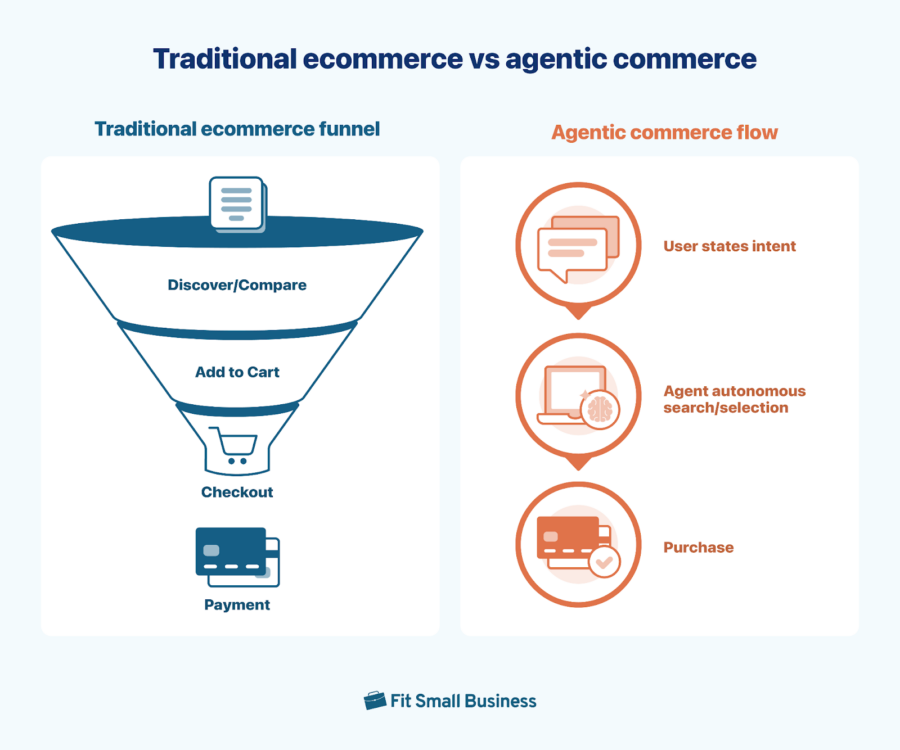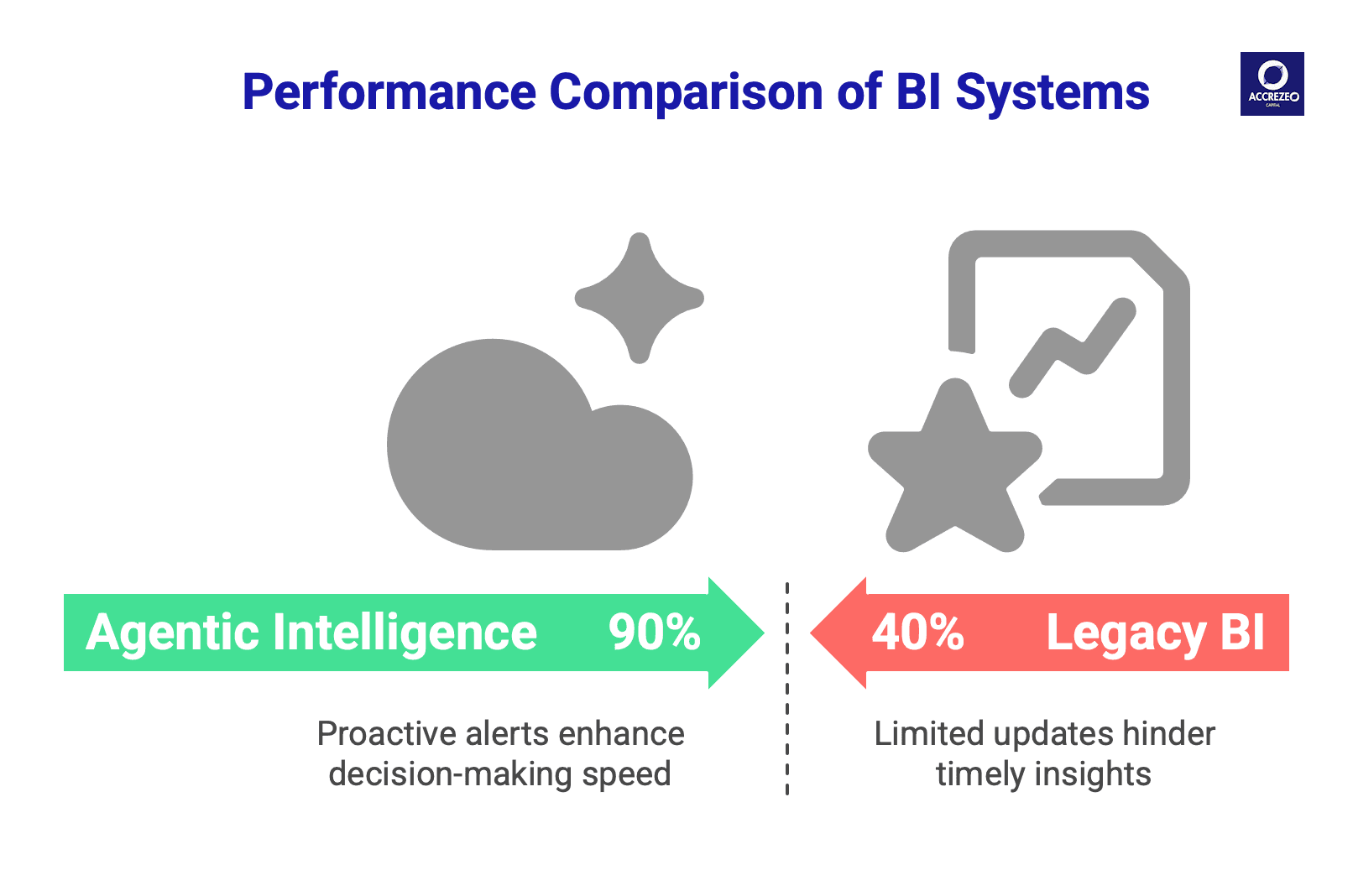
A critical discussion is emerging around the application of autonomous AI agents—so-called "Agentic BI"—within enterprise business intelligence. While the promise of AI that can independently query data, generate insights, and create reports is alluring, a new strategic analysis argues this approach is fundamentally flawed for complex business environments. Instead, it champions a more pragmatic, hybrid architecture that thoughtfully integrates AI to augment human analysts and existing BI infrastructure.
Key Takeaways
- An analysis critiques the push for fully autonomous AI agents in business intelligence, highlighting their limitations in enterprise contexts.
- It proposes a practical hybrid architecture where AI augments, rather than replaces, human analysts and existing BI tools.
The Problem with Fully Autonomous Agentic BI
The core critique centers on the mismatch between the capabilities of current AI and the nuanced, high-stakes demands of enterprise decision-making. In a luxury retail context, imagine an AI agent tasked with analyzing a sudden dip in sales for a flagship handbag line. A purely autonomous agent might correctly identify a correlation with a recent marketing campaign change but completely miss the crucial context of a supply chain disruption reported in an executive email, or a negative viral social media trend not captured in structured sales data.
Proponents of the hybrid model point to several critical limitations of agentic BI:
- Lack of True Business Context: LLMs struggle with the deep, tribal knowledge of business rules, brand equity considerations, and long-term strategic goals that human analysts possess.
- Hallucination and Confidence Issues: An agent confidently presenting incorrect data or spurious correlations can lead to catastrophic business decisions, eroding trust in the entire analytics function.
- Integration Debt: These systems often become yet another siloed layer, failing to seamlessly integrate with established data governance, security protocols, and visualization tools like Tableau, Power BI, or Looker.
- The "Black Box" Problem: Autonomous agents can obscure the lineage of insights, making it difficult for stakeholders to audit, understand, and debate the reasoning behind a recommendation.
What a Hybrid AI+BI Architecture Actually Looks Like
The proposed alternative is not a rejection of AI, but a refinement of its role. The hybrid architecture positions AI as a powerful co-pilot within the existing analyst workflow and BI stack. Key components include:
- AI as an Interactive Query & Discovery Assistant: Instead of full autonomy, AI assists analysts by generating SQL, suggesting query refinements, exploring data for anomalies, and proposing hypotheses based on initial findings. The human remains in the loop to validate, contextualize, and direct the inquiry.
- Natural Language as a Universal Interface Layer: A well-designed hybrid system allows stakeholders to ask questions in plain English (or French, Mandarin, etc.) which are then translated into queries against a trusted, governed data model. The results are presented through existing, familiar dashboards and reports.
- Augmented, Not Automated, Storytelling: AI excels at drafting narrative summaries of data trends, generating first-pass commentary for reports, and even suggesting visualizations. The analyst's role evolves to curate, refine, and instill this output with strategic narrative and brand voice.
- Orchestration, Not Automation: The system orchestrates between secure data sources, BI tools, and AI models, with clear governance gates. It logs all AI-human interactions, creating an audit trail for every insight.
Business Impact for Retail & Luxury
For luxury houses and retailers sitting on decades of transactional, CRM, and supply chain data, this pragmatic approach has direct implications:
- Faster, More Reliable Insights: Merchandising teams can quickly ask, "Show me the sell-through rate for the new summer collection in EMEA boutiques versus online, and highlight any size discrepancies," and receive a trustworthy, dashboard-linked answer in minutes, not days.
- Democratization Without Dilution: Regional managers and department heads can gain self-service access to complex data without needing to learn SQL, while central analytics maintains control over data models and governance.
- Protecting Brand Equity: By keeping the human strategist in the loop, the subtle art of brand positioning—understanding why a product might be "too popular" in certain channels or the long-term impact of discounting—remains central to decision-making.
- Practical Implementation: This path leverages existing investments in data warehouses (Snowflake, BigQuery) and BI tools, adding an AI layer rather than forcing a risky, rip-and-replace project.
Implementation Approach & Governance
Adopting this hybrid model starts with maturity assessment, not technology procurement. The foundational requirements are robust: a clean, governed central data model (a "single source of truth"); clear data ownership and quality standards; and a team of data-literate business analysts.
The AI component typically involves integrating a secure LLM API (e.g., GPT-4, Claude 3) or a fine-tuned internal model with a middleware layer that handles prompt engineering, query translation, and access control. The highest risk is not technological failure, but insight misapplication. A robust governance framework must define:
- Human-in-the-Loop Checkpoints: Which decisions (e.g., markdown strategy, media budget shifts) require mandatory human review of AI-generated analysis?
- Transparency Protocols: How is the provenance of data and AI reasoning documented and displayed alongside results?
- Bias and Fairness Audits: How are the AI's suggestions monitored for unintended bias, especially in sensitive areas like customer segmentation or inventory allocation?
gentic.news Analysis
This critique of agentic BI arrives at a pivotal moment. The industry is grappling with the practical deployment of generative AI beyond hype cycles. This analysis aligns with a broader, emerging consensus from enterprise AI leaders: the most valuable near-term application of LLMs is as a force multiplier for expert knowledge workers, not their replacement. It serves as a crucial counterpoint to the more futuristic narratives of fully autonomous business operations.
For the luxury sector, where intuition, heritage, and nuanced brand storytelling are irreplaceable assets, this hybrid model is particularly salient. It suggests that the winning AI strategy will be one that enhances the creativity and strategic depth of merchandisers, planners, and marketers, rather than seeking to automate their judgment. The focus shifts from building autonomous agents to building the best possible "co-pilot" systems—a challenge that is as much about change management and process redesign as it is about model selection. The companies that successfully implement this human-centric, hybrid AI+BI architecture will likely gain a significant competitive edge in turning their vast data reserves into actionable, trustworthy intelligence.