Key Takeaways
- Retail Dive reports that agentic commerce, with 4,700% YoY traffic growth, demands clean, structured data.
- Melissa's data quality assessment helps retailers identify weak spots for AI readiness.
What Happened
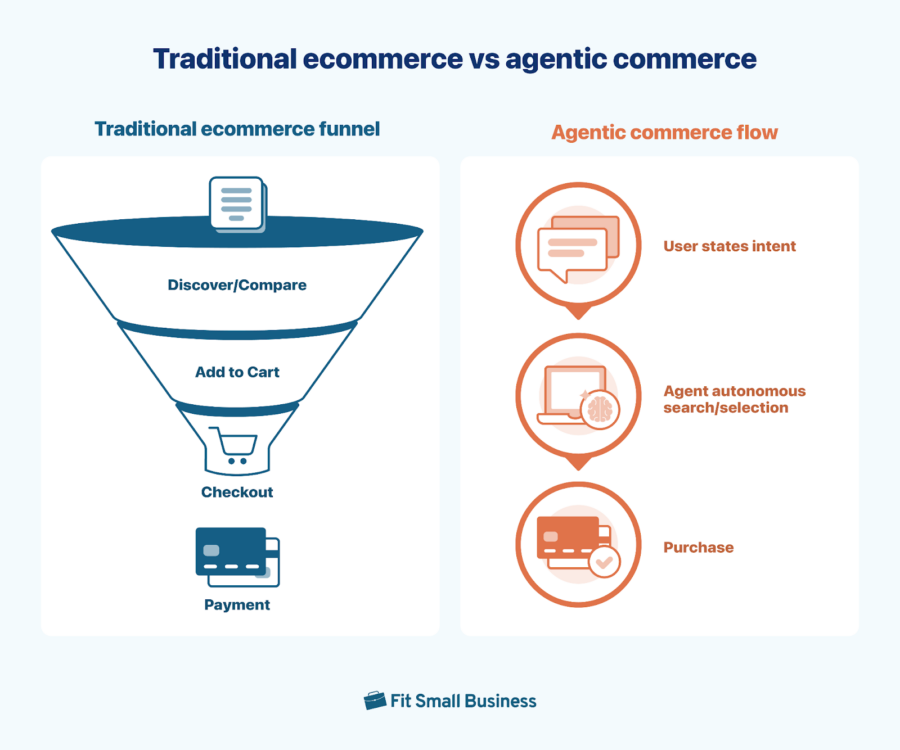
Retail Dive, in a sponsored piece by Melissa, reports that agentic commerce—where AI agents autonomously research, negotiate, and complete purchases—is transforming retail. The key insight: this transformation only works if powered by clean, enriched customer data. BCG data shows massive consumer adoption, with a 4,700% YoY traffic increase to US retail sites from GenAI browsers and chat services. These buyers spend 32% more time on site, browse 10% more pages, and have a 27% lower bounce rate from retailer emails.
Technical Details
Agentic commerce, as defined by IBM, requires AI agents to act on behalf of consumers or businesses. For these agents to function, retailers must anchor AI initiatives with a clean data foundation—API or machine-readable data. Melissa's approach includes four key data quality operations:
- Cleanse and update customer records routinely – Verify identity, name, address, email, and phone in real time.
- Batch update inaccurate or outdated information – Data changes fast; parse and structure it into usable formats.
- Identify weak spots – Use data quality assessments to find under-utilized CRM applications and integrated tools.
- Maintain constant vigilance – Data quality is an ongoing effort, not a one-time fix.
Retail & Luxury Implications
For luxury retailers like Kering, Richemont, and Burberry, the stakes are high. Agentic commerce promises hyper-personalization—a key differentiator in luxury where customer relationships are paramount. However, as the source emphasizes, dirty data undermines this. Consider:

- Personalized recommendations – AI agents can suggest products based on clean purchase history and preferences.
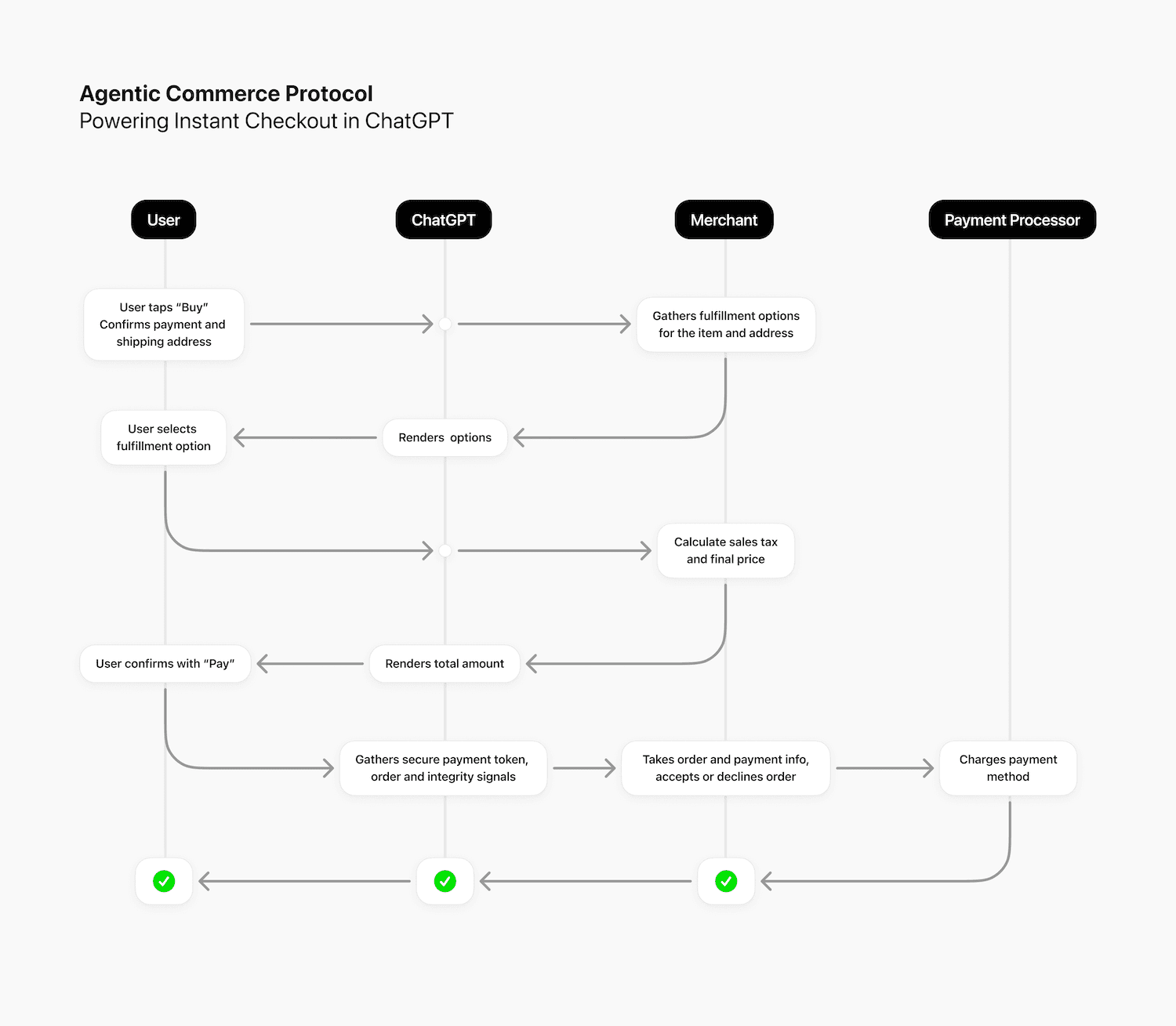
- Automated customer journeys – From browsing to checkout, agents can streamline without human intervention, but only if data is accurate.
- Brand loyalty – Third-party AI platforms (e.g., from Google or Shopify) are already capturing consumer attention. Retailers risk losing engagement if their data isn't AI-ready.
Related coverage from gentic.news includes Square, Cross River Bank, and Stripe partnering to enable agentic commerce payments, and MCP (Model Context Protocol) as a standard for connecting AI agents to data. These developments highlight the ecosystem building around agentic commerce.
Business Impact
The BCG numbers are striking: 4,700% YoY traffic growth from GenAI browsers. For retailers, this means participating or losing customers to third-party AI platforms. Clean data isn't just a technical requirement—it's a competitive necessity. Melissa's data quality assessment offers a starting point, but the article notes that this is an ongoing effort requiring constant vigilance.

Implementation Approach
Retailers should:

- Audit current data quality – Use tools like Melissa's to identify weak spots.
- Implement real-time data cleansing – Verify identity and contact info at point of entry.
- Structure data for APIs – Ensure machine-readable formats for AI agents.
- Monitor continuously – Data changes fast; schedule regular batch updates.
Complexity is moderate—most retailers already have CRM and data tools. The challenge is organizational: aligning teams around data quality as a strategic priority.
Governance & Risk Assessment
- Privacy – Clean data must also be compliant with GDPR, CCPA, and luxury-specific data handling.
- Bias – If data reflects historical biases, AI agents may perpetuate them.
- Maturity – Agentic commerce is early; the source is a sponsored piece, so take implementation claims with caution. However, the BCG data is credible and signals real momentum.
Conclusion
Agentic commerce is not a future concept—it's here, with measurable consumer adoption. For luxury retailers, the path to ROI is clear: invest in data quality now, or risk being left behind as AI agents reshape the shopping experience.
Source: retaildive.com
[Updated 12 Jul via agentic_commerce_news]
Meta's Chief Data Officer has declared agentic commerce the "next tier of business," signaling that tech giants are now publicly backing the concept [per CoinDesk]. This endorsement from a major platform owner—whose AI agents could autonomously navigate retail sites—underscores the urgency for retailers to clean their data. If Meta's agents encounter dirty or unstructured product feeds, they may bypass those retailers entirely, accelerating the shift toward third-party AI gateways.