In what some are calling the most significant technological shift since the Industrial Revolution, artificial intelligence is advancing at a pace that's startling even its creators. Dario Amodei, CEO of Anthropic, recently warned of a "tsunami" of AI capabilities rolling toward society—a wave that no existing social, political, or economic structures are prepared to handle. His concerns are echoed by OpenAI CEO Sam Altman, who admits that developments in AI labs are surpassing even his own predictions.
The Acceleration Beyond Expectations
What makes the current moment particularly remarkable is that the architects of this technology are themselves sounding alarms about its trajectory. When the people building advanced AI systems express concern about their own creations, it suggests we've entered uncharted territory. Amodei's tsunami metaphor captures the sense of overwhelming, unstoppable force that AI development has acquired—a momentum driven by competitive pressures, scientific breakthroughs, and massive investment.
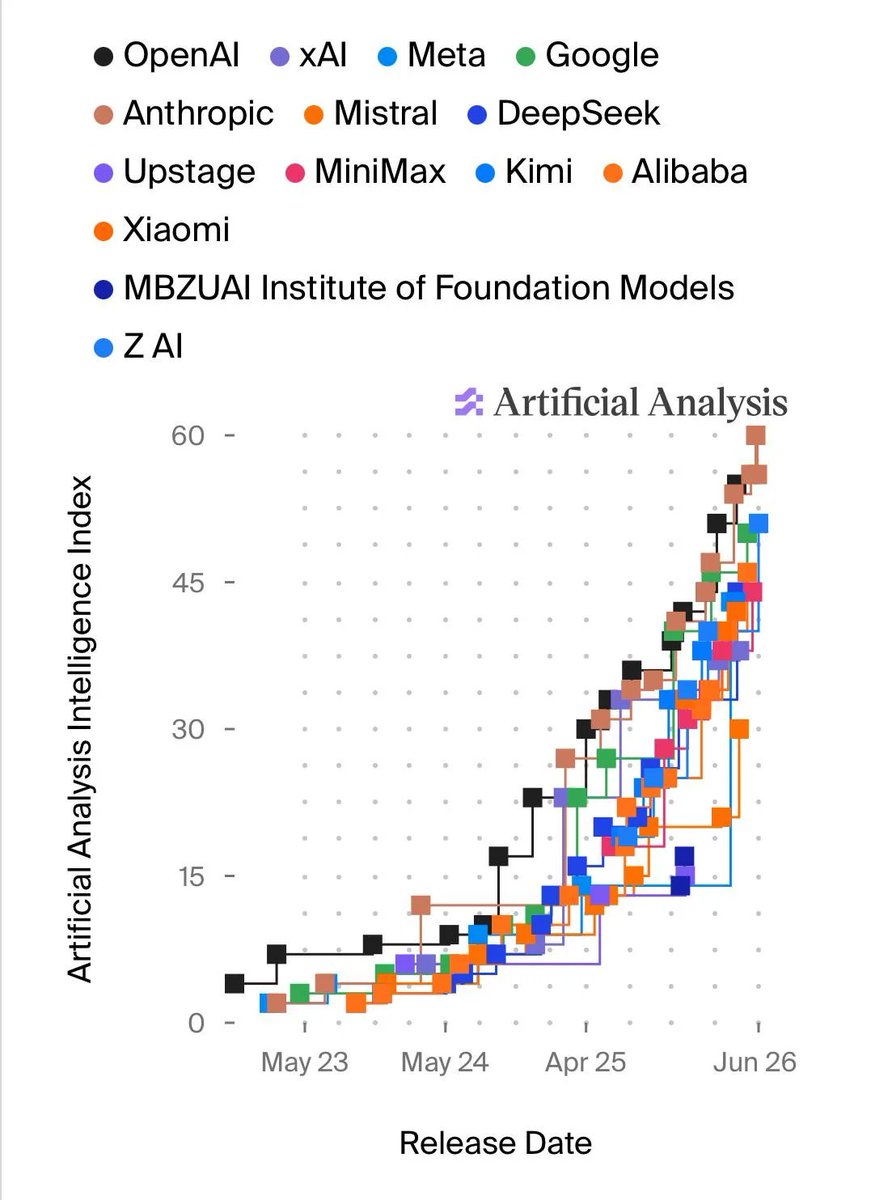
This acceleration isn't merely technical; it's creating what experts describe as a "phase change" in human capability. Systems that were theoretical just years ago are now operational, and their capabilities are expanding exponentially. The gap between what AI can do today and what it might achieve tomorrow is shrinking at an alarming rate, leaving little time for societal adaptation.
The Geopolitical Race for Superintelligence
Simultaneously, AI has become a matter of national strategic interest on a global scale. The emerging consensus among world powers is that whichever nation or entity achieves superintelligence first will gain unprecedented advantages—economic, military, and geopolitical. This has triggered what some are calling "the race for the future of humanity," with nations and corporations competing fiercely for dominance in AI development.
This competition creates dangerous incentives. To win the race, some actors are pushing for fewer restrictions on AI development, including expanded access to technologies for mass surveillance and autonomous weapons systems. The tension between rapid advancement and responsible governance is creating what observers describe as a looming national and international conflict over AI regulation and control.
The Societal Preparedness Gap
Perhaps the most concerning aspect of the current situation is the profound mismatch between technological capability and societal preparedness. While AI systems grow more powerful by the month, our institutions—legal frameworks, educational systems, economic structures, and international governance mechanisms—evolve at a glacial pace by comparison. This creates what experts call an "alignment gap" not just between AI and human values, but between technology and society's ability to integrate it safely.
Amodei's warning suggests that this gap isn't merely inconvenient—it could be existential. The Industrial Revolution unfolded over generations, allowing societies time to adapt. The AI revolution appears to be compressing that adaptation timeline from decades to years, or possibly even months.
The Ethical and Safety Imperative
The warnings from AI leaders highlight an urgent need for robust safety research and ethical frameworks. Unlike previous technologies, advanced AI systems may eventually operate with autonomy and capabilities that surpass human understanding in specific domains. This creates unique safety challenges that cannot be addressed through traditional regulatory approaches alone.
International cooperation on AI safety has become more critical than ever, yet geopolitical tensions are making such cooperation increasingly difficult. The very competition that's driving rapid advancement may be undermining the collaborative efforts needed to ensure that advancement remains safe and beneficial.
Navigating the Unprecedented
What emerges from these warnings is a picture of a technology that's fundamentally different from anything humanity has encountered before—not just in its capabilities, but in its pace of development and potential impact. The "post-apocalyptic film" comparison mentioned in the original commentary reflects a growing recognition that we're dealing with scenarios that were previously confined to science fiction.
Yet within this unprecedented challenge lies an unprecedented opportunity. The same technologies that pose such significant risks also offer potential solutions to humanity's most pressing problems—from climate change and disease to poverty and resource scarcity. The central question becomes: Can we navigate the risks to reach the rewards?
The Path Forward
The warnings from AI leaders serve as a crucial wake-up call for policymakers, researchers, and the public. They highlight the need for:
- International governance frameworks for AI development and deployment
- Increased investment in AI safety research alongside capability research
- Public education and engagement about AI's potential impacts
- Corporate responsibility frameworks that prioritize safety alongside innovation
- Adaptive regulatory approaches that can keep pace with technological change
What's clear from Amodei, Altman, and other AI leaders is that business-as-usual approaches won't suffice. The tsunami metaphor suggests we need to build higher ground—not just better umbrellas.
Source: Based on commentary from Dario Amodei, Sam Altman, and AI industry observers as reported in social media discussions and industry analysis.
Conclusion: A Defining Moment for Humanity
We stand at what may be a defining moment in human history. The warnings from those building advanced AI systems shouldn't be dismissed as alarmism or hyperbole—they represent informed concerns from people with unique insight into what's coming. The challenge now is to translate these warnings into constructive action: building the societal resilience, ethical frameworks, and governance structures needed to navigate the AI tsunami rather than be overwhelmed by it.
The race for superintelligence isn't just about who gets there first—it's about how we all get there together, and what kind of world we create in the process. The decisions we make in the coming years about AI development and governance may well determine the trajectory of human civilization for centuries to come.