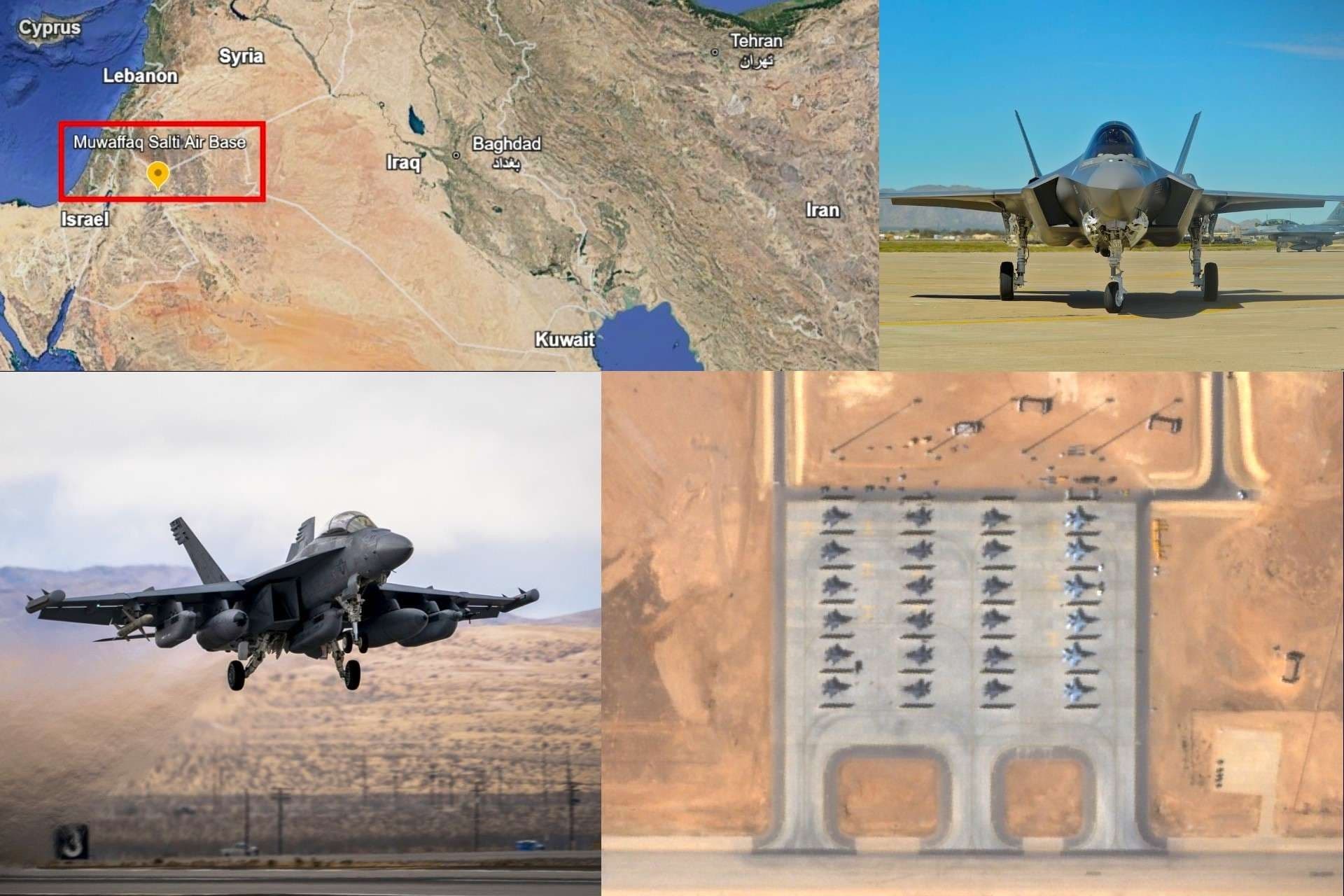
Artificial intelligence systems analyzing satellite imagery have identified what appears to be significant military movements in the Middle East, with numerous tanker aircraft being flown toward the region, presumably near Iran. This detection, highlighted by open-source intelligence analyst @kimmonismus, represents a new frontier in how AI is transforming geopolitical monitoring and early warning systems.
The AI Detection System
The identification of these military movements comes from AI systems trained to analyze commercial and government satellite imagery. These systems use computer vision algorithms to detect, classify, and track military assets including aircraft, naval vessels, and ground vehicles. Unlike human analysts who might review imagery periodically, AI systems can monitor vast geographical areas continuously, flagging anomalies in real-time.
Modern satellite monitoring AI employs convolutional neural networks (CNNs) and transformer architectures specifically trained on military hardware recognition. These systems can distinguish between civilian and military aircraft, identify specific aircraft types, and even detect patterns suggesting preparation for military operations. The tankers detected in this instance—likely aerial refueling aircraft—are particularly significant as they enable extended air operations and power projection.
Context of the Detection
The Middle East remains one of the world's most monitored regions by satellite intelligence, with multiple nations and private companies maintaining constant surveillance. AI augmentation of this monitoring has dramatically increased both the speed and scale of detection capabilities. Where human analysts might take hours or days to review imagery of a particular region, AI systems can process the same data in minutes, comparing it against historical patterns to identify deviations.
This specific detection comes amid ongoing regional tensions involving Iran, its nuclear program, and its relationships with various proxy groups throughout the Middle East. Aerial refueling tankers are particularly noteworthy in military analysis as they represent force multiplier assets that extend the range and endurance of combat aircraft, suggesting potential preparation for extended air operations rather than routine training exercises.
The Broader AI Intelligence Revolution
This incident exemplifies a broader transformation in intelligence gathering and analysis. AI systems are increasingly capable of:
- Pattern recognition across time and space that exceeds human capability
- Anomaly detection that flags unusual movements or concentrations of assets
- Predictive analysis based on historical patterns of conflict escalation
- Multi-source correlation combining satellite imagery with signals intelligence, social media analysis, and other data streams
Private companies like Planet Labs, BlackSky, and Capella Space now provide commercial satellite imagery at resolutions that were once exclusively available to governments, while AI startups are developing increasingly sophisticated analysis tools that democratize access to intelligence capabilities.
Implications for Conflict Prevention and Escalation
The AI detection of military buildups creates both opportunities and challenges for international security. On one hand, earlier detection of potential conflict indicators could provide more time for diplomatic intervention and conflict prevention. International organizations and neutral states could potentially use such systems to monitor ceasefires or peace agreements with greater objectivity.
On the other hand, the transparency created by commercial satellite imagery and AI analysis changes the calculus of military planning. Nations can no longer assume secrecy for large-scale movements, potentially leading to different strategies or faster escalation timelines once detection is assumed. This creates a new dynamic where the monitoring capability itself becomes a factor in strategic decision-making.
Ethical and Strategic Considerations
The proliferation of AI-powered intelligence gathering raises important questions about privacy, sovereignty, and the stability of deterrence relationships. While nations have long monitored each other's military movements, the commercial availability of these capabilities creates new actors in the intelligence landscape, including non-state actors, journalists, and academic researchers.
There are also concerns about false positives—AI systems misidentifying civilian activities as military preparations—which could inadvertently escalate tensions. The training data for these systems, often derived from historical conflicts, may contain biases that affect their interpretation of ambiguous situations.
The Future of AI in Geopolitical Monitoring
Looking forward, we can expect several developments in this field:
- Increased temporal resolution with more frequent satellite passes and AI systems that can track movements in near-real-time
- Integration with other data sources including maritime tracking systems, financial transaction monitoring, and social media analysis
- Predictive analytics that don't just detect current movements but forecast likely future actions based on historical patterns
- Automated diplomatic alert systems that could provide neutral verification of military activities during crises
As these technologies advance, they will likely become standard tools for governments, international organizations, and even responsible media outlets seeking to provide accurate reporting on potential conflict situations.
Conclusion
The AI detection of tanker movements toward the Middle East represents more than just a single data point in regional tensions—it exemplifies a fundamental shift in how we monitor and understand global security dynamics. As artificial intelligence systems become increasingly capable of parsing complex visual data at scale, they provide both unprecedented transparency and new challenges for international relations.
What makes this development particularly significant is its demonstration that AI is no longer just a tool for after-the-fact analysis but has become a proactive component of early warning systems. The very capability to detect such movements changes the strategic environment, potentially deterring some actions while accelerating others once detection is assumed.
As with all powerful technologies, the impact of AI in geopolitical monitoring will depend largely on how it is governed and by whom. What's clear is that the era of secret military buildups is giving way to an age of transparent detection, with artificial intelligence serving as the ever-watchful eye in the sky.
Source: Analysis based on satellite intelligence reports and AI detection systems as highlighted by @kimmonismus on Twitter.