Key Takeaways
- A new report highlights how AI is being integrated into luxury travel for personalized itineraries, predictive service, and backend operations.
- However, the consensus is that AI should augment, not replace, the human expertise and emotional intelligence that define true luxury service.
The Innovation — What the Source Reports
The luxury travel sector is undergoing a significant technological infusion, with Artificial Intelligence moving from a buzzword to a core operational and experiential tool. According to the report from PhocusWire, the application is multifaceted: AI is being deployed to craft hyper-personalized travel itineraries by analyzing vast datasets of client preferences, past behaviors, and even social media cues. It powers predictive customer service, anticipating needs before they are voiced—from pre-arranging a favorite vintage of champagne in the suite to adjusting room temperature based on historical preference.
Beyond the guest-facing glamour, AI drives efficiency in the backend. It optimizes dynamic pricing for high-end villas and private jet charters, manages complex inventory across exclusive properties, and streamlines concierge request routing. The technology acts as a force multiplier for human staff, handling routine inquiries and data synthesis to free up experts for high-value, creative problem-solving and relationship building.
Why This Matters for Retail & Luxury
For luxury conglomerates and brands with significant hospitality arms (like LVMH's Belmond, LVMH's Cheval Blanc, or Kering's investments), this is a direct roadmap. The principles translate seamlessly from travel to retail:
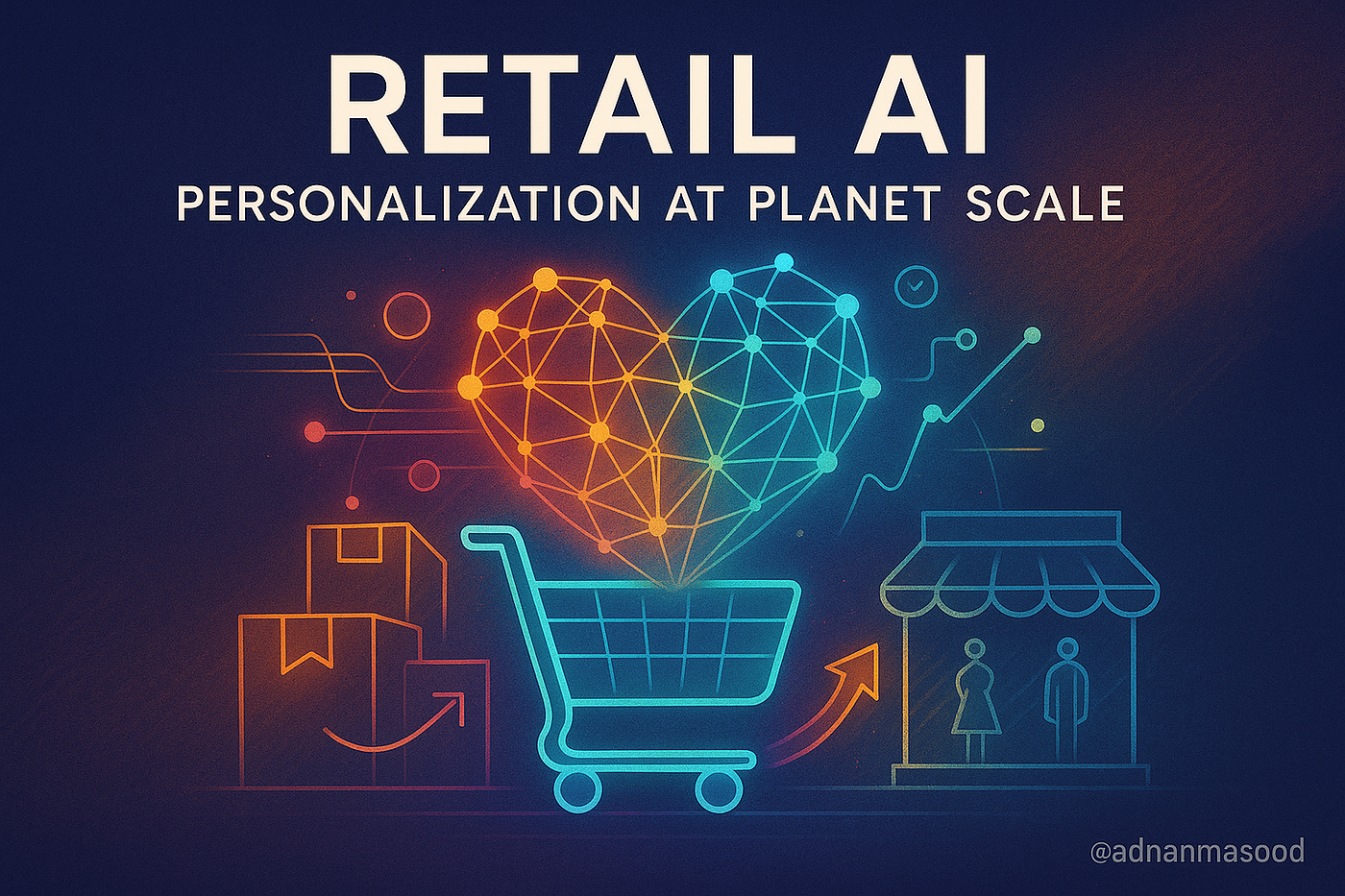
- Hyper-Personalization at Scale: Just as AI can design a trip to Patagonia tailored to a client's love of photography and rare Malbecs, it can curate a wardrobe or home collection from across a brand's portfolio. The model is a 360-degree client profile that informs all touchpoints.
- Predictive Clienteling: The "anticipatory service" ideal in luxury travel mirrors the goal of in-store and digital retail. AI can prompt a sales associate that a VIP client whose favorite designer is having a trunk show next week, or that they typically purchase a new timepiece after a major career milestone.
- Operational Synergy: The backend AI managing hotel inventory and pricing is conceptually identical to systems needed for global inventory visibility, allocation of limited-edition items, and personalized omnichannel fulfillment.
Business Impact — The Augmentation Model

The core business impact is not wholesale replacement, but a redefinition of roles and an elevation of service potential. The financial model is one of augmented yield: AI increases the efficiency and revenue-per-guest (or per-client) by enabling more precise targeting and service, while protecting the brand equity that is inextricably linked to human craftsmanship and relationship. The risk of not adopting is falling behind in personalization, which is increasingly the baseline for luxury competition. However, the greater risk is misapplication—using AI in a way that makes the experience feel automated, cold, or transactional, which is brand-destructive in this sector.
Implementation Approach — A Hybrid Architecture
Successful implementation requires a hybrid intelligence architecture. Technically, this involves:
- Data Unification: Creating a secure, centralized client data platform that ingests signals from CRM, transaction history, digital interactions, and partner ecosystems (e.g., travel agencies, other luxury goods purchases where permissible).
- Specialized AI Models: Deploying models for specific tasks: NLP for analyzing client correspondence and requests, computer vision for style preference analysis from shared images, and recommendation engines for curating experiences or products.
- Human-in-the-Loop (HITL) Interface: Building tools that present AI-derived insights and recommendations to human experts (concierges, stylists, sales directors) in an intuitive dashboard, not to the client directly. The human makes the final judgment call, adds the emotional nuance, and owns the relationship.
The complexity is high, centering on data integration, model training on sparse luxury datasets, and designing seamless human-AI workflows.
Governance & Risk Assessment
- Privacy & Exclusivity: Luxury clients expect discretion. AI systems handling their data require fortress-like security and clear, transparent consent protocols. Anonymization and on-premise deployment options are serious considerations.
- Bias & Taste: AI trained on historical data can perpetuate past biases or outdated trends. Human oversight is critical to ensure recommendations align with evolving, sophisticated tastes and maintain an element of delightful surprise.
- Maturity Level: The technology for data analysis and prediction is mature. The art of integrating it invisibly into a high-touch, high-emotion service journey is an emerging discipline. Pilots in specific service lines (e.g., private client travel planning, haute couture appointments) are the prudent path forward.