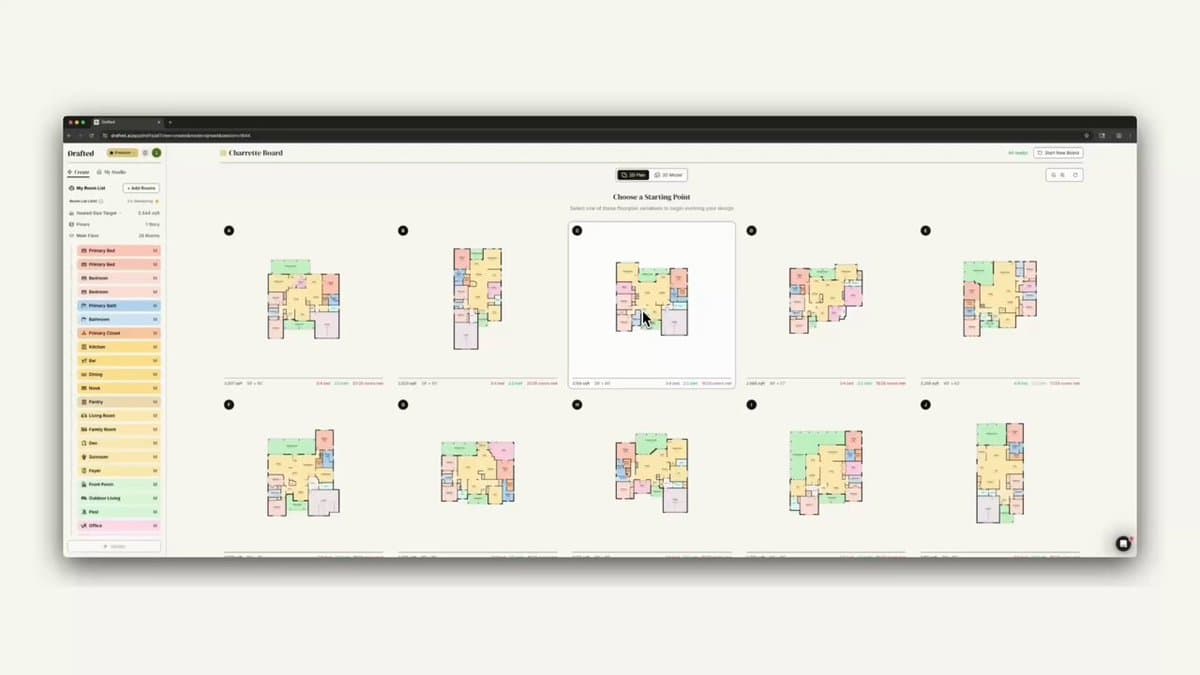
A new AI-powered home design system called Drafted is poised to fundamentally transform how homes are conceived, designed, and built, potentially reducing months of early-stage planning to mere hours while ensuring designs remain grounded in practical construction realities and local regulations.
According to industry reports and developer announcements, Drafted represents a significant leap forward in architectural technology by addressing one of the most persistent bottlenecks in residential development: the lengthy, often frustrating gap between initial vision and buildable reality.
How Drafted's AI System Works
Unlike traditional design software that primarily serves as digital drafting boards, Drafted's AI system appears to function as an intelligent design partner from the earliest conceptual stages. The platform reportedly analyzes multiple critical factors simultaneously:
- Local zoning regulations and building codes specific to the property location
- Site-specific constraints including topography, orientation, and existing structures
- Material availability and construction methodologies common in the region
- Budget parameters and cost estimation data
- Aesthetic preferences and functional requirements provided by users
By integrating these constraints at the inception of the design process rather than as afterthoughts requiring costly revisions, Drafted claims to eliminate the typical back-and-forth between architects, engineers, and local planning departments that can stretch early design phases across multiple months.
Three-Way Utility: Architects, Homebuyers, and Builders
What makes Drafted particularly noteworthy is its reported ability to serve three distinct user groups simultaneously—a rare feat in specialized architectural software.
For architects, the system appears to function as an AI assistant that handles regulatory research and basic feasibility analysis, allowing professionals to focus on creative aspects and client relationships rather than bureaucratic minutiae.
For homebuyers, Drafted reportedly offers unprecedented access to professional-grade design tools with built-in guardrails against unrealistic expectations. Prospective homeowners can experiment with layouts, materials, and features while receiving immediate feedback about what's actually permissible and practical for their specific property.
For builders, the platform promises designs that arrive construction-ready, with fewer surprises during the permitting process and fewer change orders during building—two of the most significant cost drivers in residential construction.
The Broader Context: AI's Growing Role in Architecture
Drafted enters a landscape where AI is already making significant inroads into architectural practice, though primarily in specialized niches:
- Generative design algorithms that produce thousands of layout variations based on specified parameters
- Building performance simulation tools that predict energy efficiency, thermal comfort, and daylighting
- Regulatory analysis software that scans building codes for compliance issues
What sets Drafted apart appears to be its integrated approach that combines these capabilities into a single, user-friendly platform accessible to both professionals and consumers.
Potential Industry Impact and Challenges
If Drafted delivers on its promises, the implications for the residential construction industry could be substantial:
Democratization of Design: By making sophisticated design tools accessible to non-professionals, Drafted could empower more people to participate meaningfully in the design of their own homes, potentially leading to more personalized and responsive residential architecture.
Accelerated Development Timelines: The most immediate benefit for the industry would be compressed design phases, which could help address housing shortages by increasing the throughput of architectural firms and reducing time-to-construction for new projects.
Reduced Design-Build Friction: By creating designs that are buildable from inception, Drafted could decrease the adversarial relationships that sometimes develop between design and construction teams when impractical designs meet construction realities.
However, significant challenges remain:
Regulatory Complexity: Building codes vary not just by country and state, but often by municipality and even neighborhood. Maintaining an accurate, up-to-date database of these regulations represents a formidable technical and logistical challenge.
Professional Pushback: Some architects may view AI design tools as threats to their professional expertise and creative autonomy, potentially leading to resistance within the industry.
Quality vs. Speed Trade-offs: There are legitimate questions about whether AI-generated designs can match the nuanced understanding of site, context, and human experience that skilled architects develop through years of practice.
The Future of AI in Residential Design
Drafted represents what may be the beginning of a fundamental shift in how residential architecture is practiced. As AI systems become more sophisticated at understanding not just regulations and construction methods but also aesthetic principles and human needs, we may be approaching an era where:
- Custom home design becomes accessible to broader economic segments
- Sustainable design principles are automatically integrated into every project
- Designs dynamically adapt to changing family needs over time
- Virtual and augmented reality interfaces allow immersive design experiences
While Drafted's specific capabilities and limitations will become clearer as the platform reaches wider adoption, its core promise—to make good design more accessible, more efficient, and more grounded in reality—addresses genuine pain points in the residential construction industry.
Source: Based on reports from @hasantoxr and industry analysis of emerging AI design platforms.