A new AI system, referred to as SalesOS, has been developed with the ambitious goal of automating a company's entire outbound sales operation. According to the announcement, the AI agent is designed to handle the complete pipeline autonomously, from initial lead sourcing to booking meetings.
Key Takeaways
- An AI agent called SalesOS has been developed to automate the full outbound sales pipeline, including lead sourcing, personalized outreach, and meeting scheduling.
- This represents a push toward fully autonomous sales operations.
What Happened
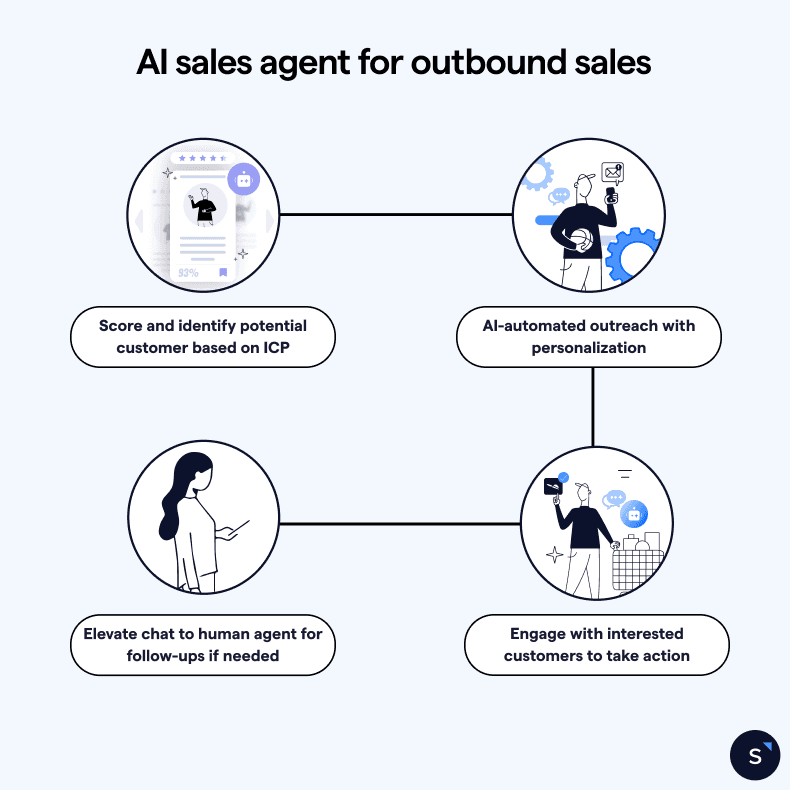
The announcement, made via social media, states that "someone just built an AI that does your entire outbound sales operation." The agent, dubbed SalesOS, is described as a "full AI sales agent" that performs the key functions of outbound sales:
- Finds buyer leads from target accounts.
- Researches those leads to gather relevant context.
- Writes personalized emails based on its research.
- Sends the emails and manages follow-up sequences.
- Books meetings directly into a calendar when a lead responds positively.
The core claim is that this system operates end-to-end without human intervention in the execution loop, acting as an autonomous sales development representative (SDR).
Context
The development of SalesOS fits into the broader and rapidly accelerating trend of AI agents moving beyond simple chatbots to perform multi-step, real-world tasks. The outbound sales process, which is highly procedural and data-intensive, has long been a target for partial automation through CRM tools and email sequencing software. However, fully closing the loop—from cold lead to booked meeting—requires sophisticated reasoning, personalization, and interaction capabilities that have only recently become plausible with advanced large language models (LLMs).
This announcement follows a wave of AI agent launches targeting business operations, such as Cognition AI's Devin for software engineering and various customer support agents. The push into sales automation represents a direct application of agentic AI to a core, high-cost business function with measurable ROI.
gentic.news Analysis
This development, while light on published technical details, is a significant marker in the AI agent commercialization race. The claim of a "full" outbound operation suggests an agent architecture that likely chains several specialized models or tools: a researcher for lead intelligence, a writer for personalized copy, and a scheduler for calendar integration. The major technical hurdle here isn't any single task but achieving reliable, end-to-end execution without hallucinating contacts or sending inappropriate emails—a challenge of robustness and oversight.
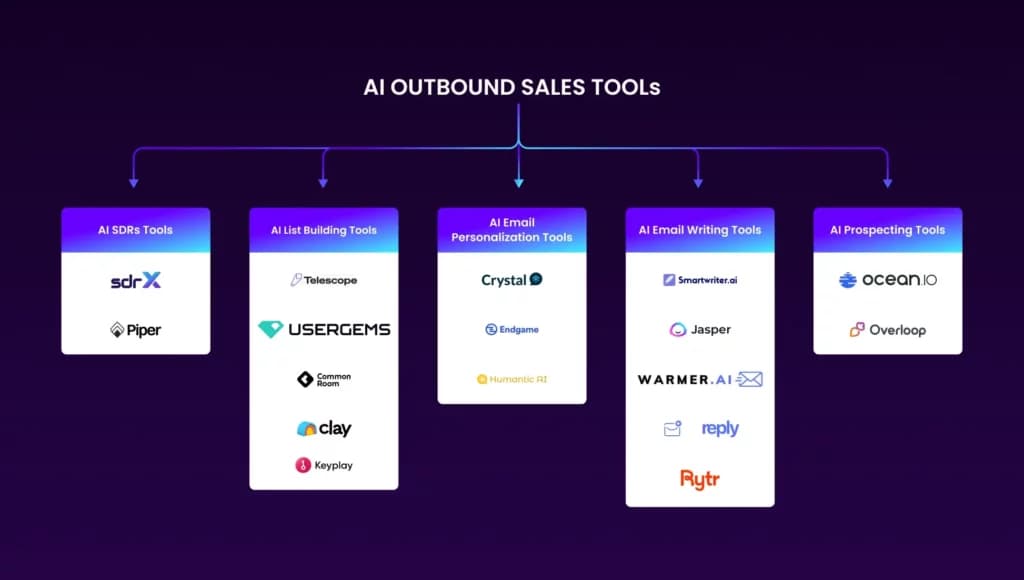
From a market perspective, SalesOS enters a competitive space. Companies like Outreach, Salesloft, and Apollo have already deeply automated parts of the sales workflow. A fully autonomous agent threatens to disintermediate these platforms by collapsing multiple tools into a single AI-driven process. The business model will be critical; if SalesOS operates as a performance-based service (charging per meeting booked) rather than a SaaS seat license, it could align incentives more directly with customers but also introduce new complexities in attribution and quality control.
This trend aligns with our previous coverage on the fragmentation of general AI into vertical-specific agents. As we noted in our analysis of Devika and other coding agents, the real test for SalesOS will be its performance on real-world sales floors—its ability to handle edge cases, navigate corporate email systems, and generate a qualified pipeline that matches human SDR output. Without published benchmarks or case studies, its efficacy remains an open question, but its stated scope confirms the industry's direction toward fully automated business functions.
Frequently Asked Questions
What does the SalesOS AI agent actually do?
SalesOS is described as an AI system that automates the entire outbound sales process. It reportedly finds potential buyer leads from target account lists, researches those leads online, writes and sends personalized email outreach, manages follow-up sequences, and books meetings directly to a calendar when a lead responds affirmatively.
How is this different from existing sales automation software?
Traditional sales automation platforms (like Outreach or Salesloft) provide tools for sequencing and analytics but require a human sales rep to build lists, write email copy, and handle responses. SalesOS claims to be a fully autonomous agent, making those decisions and executing the entire workflow without a human in the loop, acting more like an AI employee than an assistive tool.
Is there any proof that SalesOS works effectively?
The initial announcement does not include performance data, case studies, or technical benchmarks. As with any new AI agent claim, its real-world effectiveness, email deliverability rates, and meeting qualification accuracy remain to be validated through independent testing and customer deployments.
What are the potential risks of using an autonomous AI sales agent?
Key risks include the AI potentially sending poorly personalized or off-brand emails, damaging sender reputation with high bounce/spam rates, booking low-quality or irrelevant meetings, and mishandling sensitive customer data. Effective implementation would require robust guardrails, continuous monitoring, and clear oversight protocols.