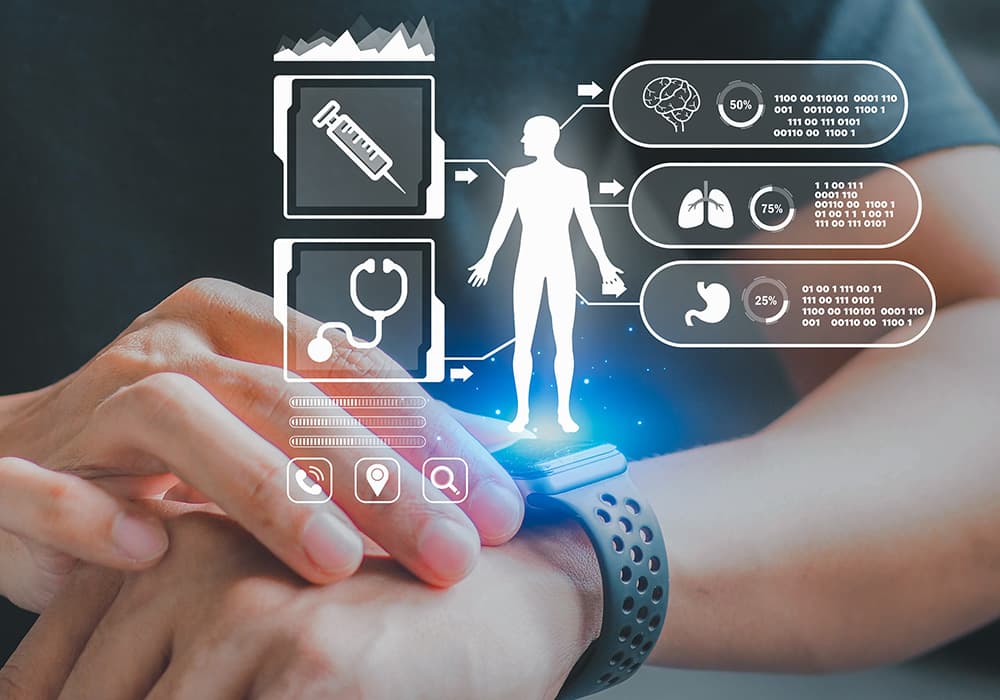
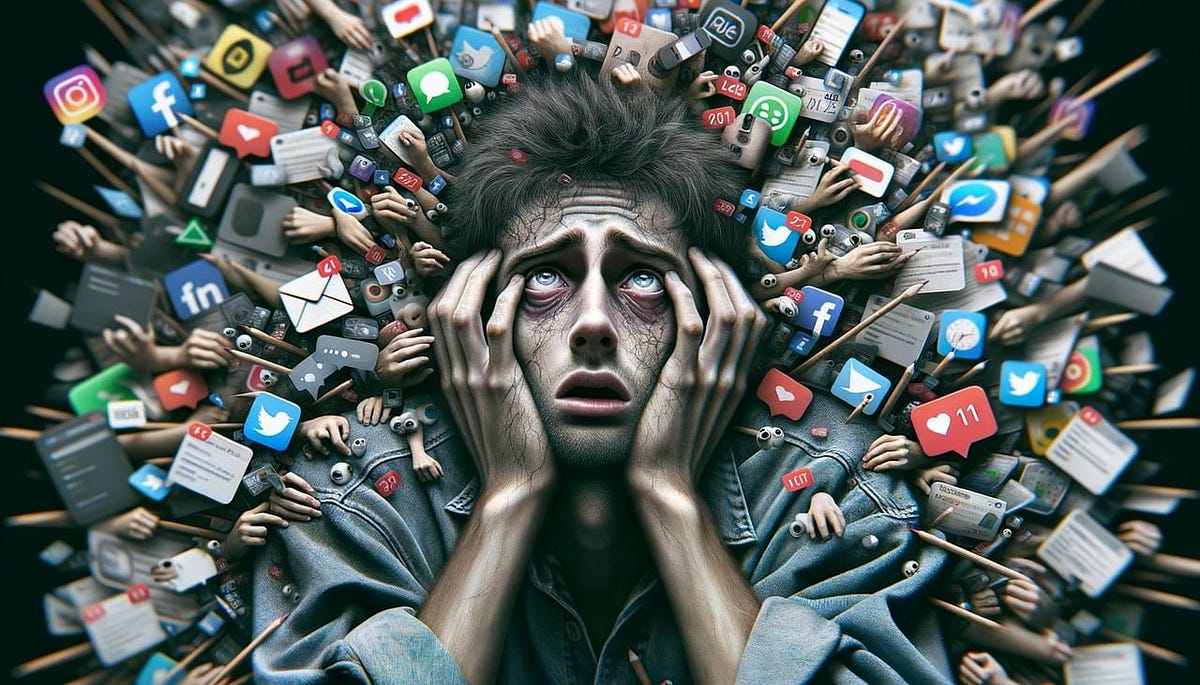
Researchers have developed an AI system designed to autonomously discover novel health biomarkers from continuous data streams collected by wearable devices like smartwatches and fitness trackers. The system's first publicly noted finding identifies a pattern of prolonged, late-night smartphone usage—colloquially known as "doomscrolling"—as a quantifiable biomarker correlating with specific physiological and behavioral states.
Key Takeaways
- An AI system analyzes wearable device data to discover new digital biomarkers for health.
- Its first identified pattern links prolonged late-night phone use—'doomscrolling'—to physiological states.
What the System Does

The core function of the AI is biomarker discovery. Instead of being programmed to look for pre-defined signals like heart rate variability or step count anomalies, the system uses machine learning to analyze multi-modal sensor data (likely including accelerometer, heart rate, and possibly screen-time or app-usage data via device linking) to find previously unrecognized patterns that correlate with health outcomes or behavioral states. The goal is to move beyond known metrics to uncover entirely new digital signatures of health and well-being.
The Initial Finding: "Late-Night Doomscrolling"
The team's initial demonstration of the system pinpointed "late-night doomscrolling" as a discoverable pattern. This suggests the AI identified a recurring cluster of signals: time of day (late night), device interaction (phone use), duration (prolonged), and potentially correlated physiological data like reduced heart rate variability, delayed sleep onset, or specific movement patterns. The term "doomscrolling" implies the content consumed may be stress-inducing, but the biomarker is likely based on the behavioral and physiological context of the activity, not the content itself.
Technical Implications and Potential
This approach represents a shift from hypothesis-driven to data-driven biomarker discovery. By treating the continuous stream from wearables as a high-dimensional dataset, the AI can perform unsupervised or semi-supervised pattern recognition to surface correlations a human researcher might not think to test for. If validated, such biomarkers could be used for early detection of mental fatigue, stress, sleep disorders, or declines in cognitive well-being, enabling more proactive and personalized digital health interventions.
Limitations and Next Steps
The announcement, made via social media, lacks published details on the model's architecture, the specific dataset used, validation methodology, or the strength of the correlation. The next critical steps involve peer-reviewed publication, clinical validation to establish causal links to health outcomes, and addressing significant privacy considerations inherent in analyzing such detailed behavioral data.
gentic.news Analysis
This work sits at the convergence of two intensifying trends in AI research: the mining of real-world, multi-modal data for health insights and the move towards autonomous discovery systems. It aligns with broader industry efforts, such as Google Health's work on AI for dermatology and cardiology, and Apple's large-scale health studies using data from its Watch. However, this project explicitly focuses on discovery rather than detection of known conditions, a more exploratory and potentially high-reward avenue.
Critically, the choice of "doomscrolling" as an initial finding is strategically savvy. It connects a cutting-edge technical capability to a ubiquitous, culturally recognized behavior, making the research immediately relatable. The real test will be whether the system can move beyond behavioral correlates to discover subtle, purely physiological biomarkers for subclinical conditions—the true "dark matter" of digital health. Success in that domain would represent a major advance, turning consumer wearables into powerful, preventative health screening tools.
Frequently Asked Questions
What is a digital health biomarker?
A digital health biomarker is a quantifiable, objective measure derived from data collected by digital devices (like smartwatches or phones) that indicates a normal biological process, a pathogenic process, or a response to a therapeutic intervention. Unlike a blood-based biomarker, it is collected continuously and passively in real-world settings.
How does the AI discover new biomarkers?
While full details aren't published, the system likely uses unsupervised or self-supervised learning techniques on time-series data from wearables. It would search for recurring patterns or clusters in the data that correlate strongly with self-reported outcomes, medical records, or other ground-truth health labels, thereby identifying novel signal combinations predictive of a state.
Is "doomscrolling" bad for my health?
The research suggests the AI found a correlation between the late-night doomscrolling pattern and certain physiological states. Existing literature independently links poor sleep hygiene and prolonged screen time before bed to reduced sleep quality, increased stress, and next-day cognitive impairment. This AI work aims to quantify that specific behavioral pattern as a precise, measurable biomarker.
What are the privacy concerns with this technology?
They are significant. This requires continuous, fine-grained monitoring of behavior and physiology. Key concerns include: where and how this sensitive data is processed and stored, who has access to it, potential use by insurers or employers, and the psychological impact of constant health monitoring. Any deployment would require robust, transparent data governance and user consent frameworks.