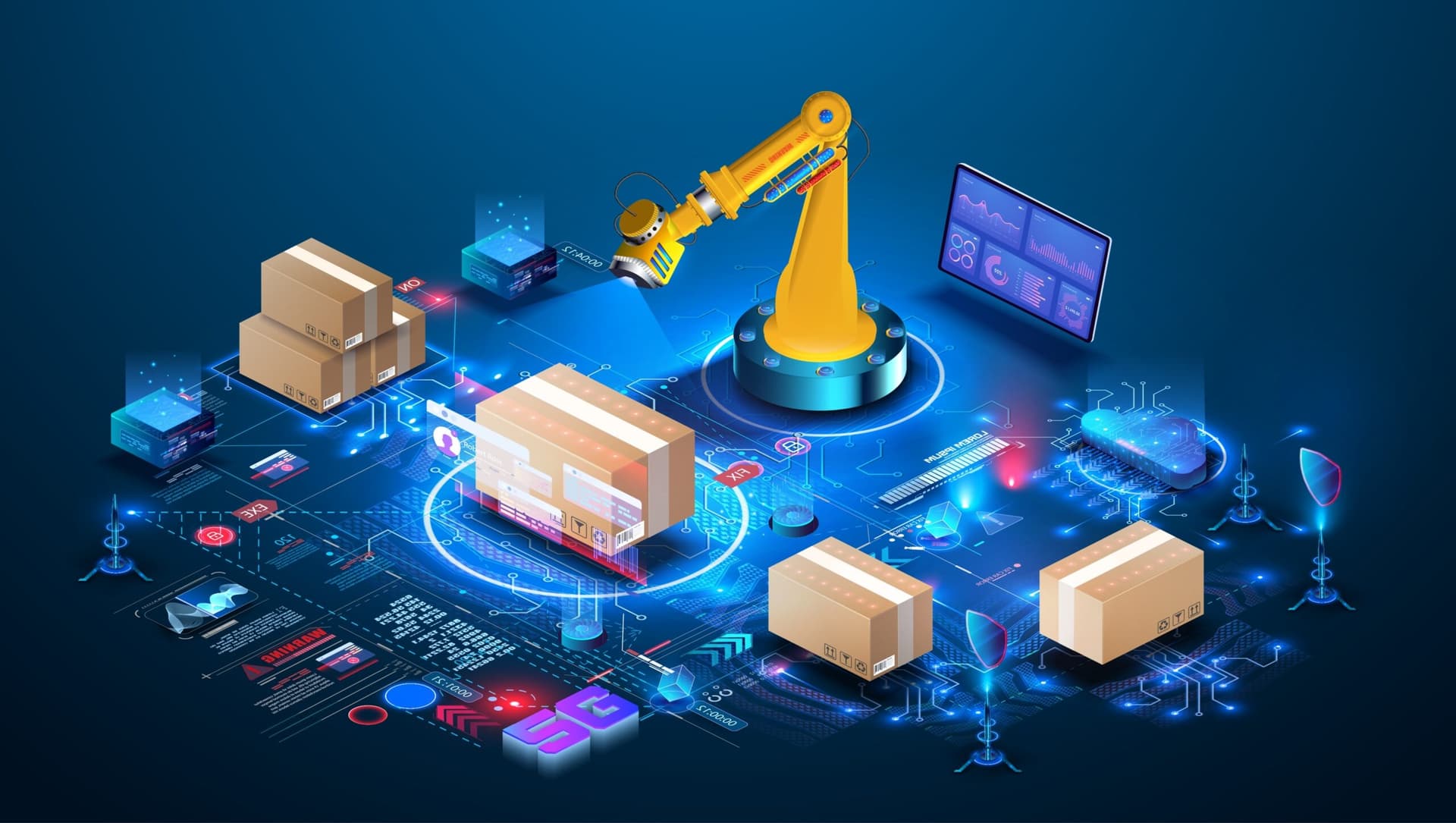
Albertsons launched a patent-pending AI supply chain tool combining computer vision and demand forecasting. The system aims to reduce food waste and improve inventory accuracy across its 2,200+ stores.
Key facts
- Albertsons operates 2,200+ stores across the U.S.
- U.S. grocery supply chain loses $15B annually to spoilage
- Patent-pending tool combines computer vision and demand forecasting
- No specific model, training data, or pilot results disclosed
- Tool rolling out to select stores, no full deployment timeline
Albertsons Companies unveiled a patent-pending AI and computer vision powered supply chain tool, according to a Drug Store News report and Retail Technology Innovation Hub. The system uses computer vision to monitor inventory levels on shelves and in backrooms, feeding data into a demand forecasting model to optimize restocking and reduce waste.
The tool targets a persistent retail problem: out-of-stock items and excess perishable waste. Grocery supply chains lose an estimated $15 billion annually to spoilage in the U.S. alone. By integrating real-time shelf images with historical sales data, Albertsons claims the system can predict demand more accurately than traditional methods.
Unique take: This is not a generic AI dashboard — it's a computer vision pipeline that turns camera feeds into automated replenishment decisions. That's a shift from manual audits or RFID-based tracking, which have seen limited adoption in grocery. The patent-pending status suggests Albertsons sees this as a competitive moat.
The company did not disclose the specific model architecture, training data size, or pilot results. The tool is currently rolling out to select stores, with no timeline for full deployment. [According to Drug Store News] the system integrates with Albertsons' existing supply chain infrastructure.
What this means for the industry: Grocers like Kroger and Walmart have invested in AI inventory tools, but most rely on transaction data rather than real-time vision. Albertsons' approach could set a new baseline if it scales. The key metric to watch is shrink reduction — the percentage of inventory lost to spoilage or theft. Industry average is 1.5-2% of revenue; a 0.5% improvement would be worth ~$200M annually for Albertsons.
What to watch

Watch for Albertsons' Q3 2026 earnings call — if they disclose shrink reduction metrics or a deployment timeline, that will signal whether the tool moves from pilot to core infrastructure. Also track competitor responses from Kroger and Walmart.
[Updated 18 May via gn_computer_vision_fashion]
The tool is built on Google Cloud infrastructure, leveraging Vertex AI for model training and deployment, according to a Digital Commerce 360 report. Albertsons also confirmed the system uses existing store camera feeds — no new hardware installations were required, a detail that lowers deployment barriers. [per Digital Commerce 360]
[Updated 18 May via gn_computer_vision_fashion]
The tool is also being used to grade fresh fruit quality in real time, not just monitor shelf inventory, according to an ESM Magazine report. Computer vision assesses ripeness, blemishes, and color consistency, then adjusts pricing and markdowns automatically. This extends the system's role from restocking to dynamic pricing of perishables [per ESM Magazine].