The Innovation — What the Source Reports
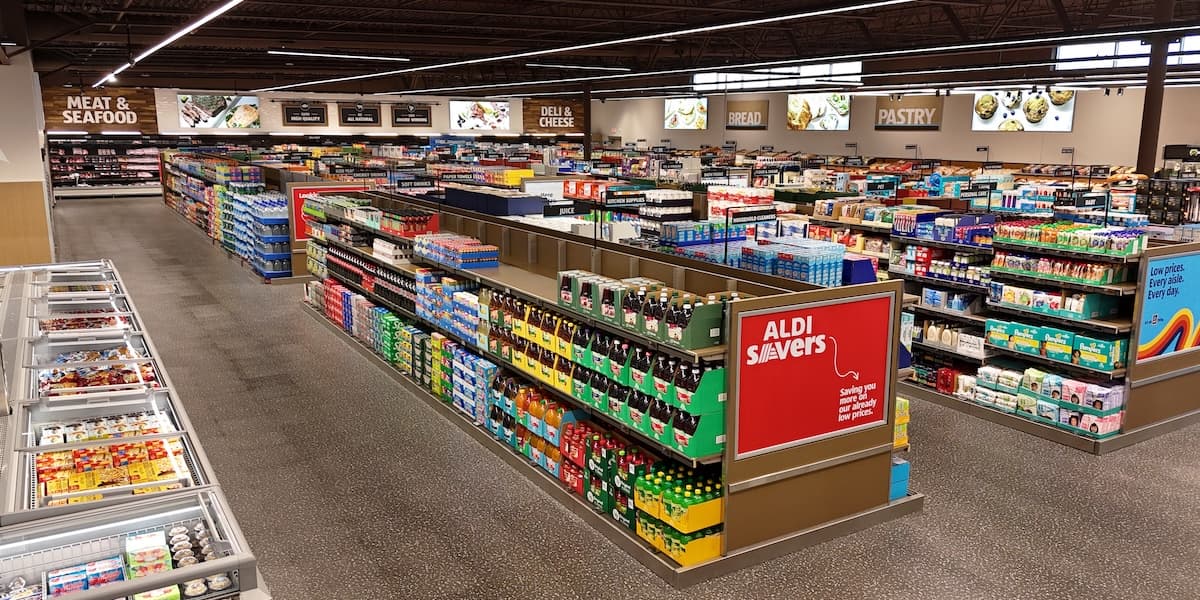
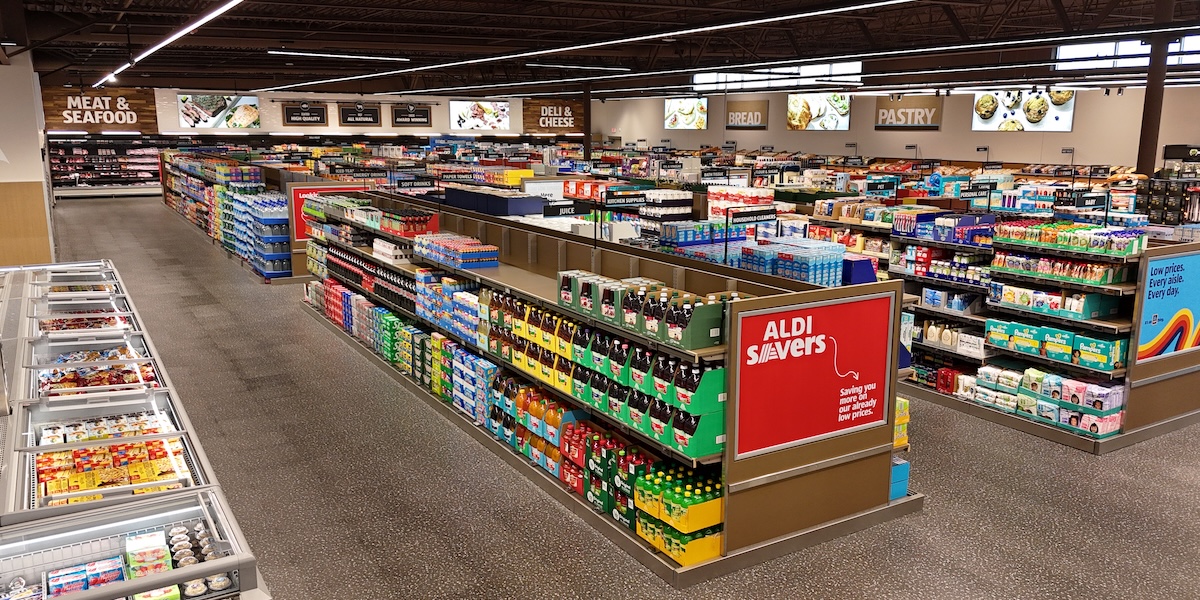
Aldi, the global discount grocery chain, has officially outsourced the core technology stack for its U.S. digital shopping experience. The company has launched a new, unified website and mobile application powered by Instacart's Storefront Pro, a white-label e-commerce and fulfillment platform. This marks a strategic pivot away from in-house development, which Aldi had attempted to accelerate during the pandemic.
Instacart's Storefront Pro is designed to handle the entire digital ecosystem for a retailer. According to Ryan Hamburger, Instacart's VP of Commercial Partnerships, the platform manages everything "from when you land on their website or open up their app, all the way through the shopping process, … all the way down through marketing and CRM, and ultimately into the fulfillment side." For the customer, the new Aldi digital storefront promises better product recommendations, enhanced discovery features, and expanded meal planning support through shoppable recipes.
The partnership is an expansion of a relationship that began in 2017 with same-day delivery via the Instacart marketplace. Instacart is now Aldi's exclusive digital fulfillment partner in the U.S. Aldi COO Dave Rinaldo framed the decision as a "natural next step" that allows Aldi to remain focused on its core competency—delivering low prices—while Instacart handles the rapid innovation curve of digital commerce.
Why This Matters for Retail & Luxury
While Aldi operates in the grocery value segment, its strategic decision is a case study with profound implications for all consumer-facing brands, including luxury houses. The core lesson is about strategic focus and technical debt. Aldi found that building and, more critically, maintaining a competitive, feature-rich digital platform was "very, very difficult" and hindered its ability to keep pace with innovation. For luxury brands, where digital experience is intimately tied to brand perception, the question becomes: should you build a bespoke platform for full control, or partner with a specialist to ensure world-class functionality?
Instacart's platform highlights the growing power of integrated ecosystems. It’s not just a checkout system; it’s a suite encompassing discovery (recommendations, recipes), transaction, fulfillment, and post-purchase engagement (marketing, CRM). For a luxury brand, an analogous partner might offer a unified platform connecting VIP clienteling apps, immersive AR try-ons, seamless omnichannel inventory checks, and sustainable logistics—all under the brand's aesthetic.
The move also signals the maturation of white-label "commerce-as-a-service." Instacart now counts about 380 retailers on its Storefront platform, having launched over 70 net-new storefronts in 2025 alone. The model proves that retailers are willing to trade some direct control for speed, scale, and access to continuous R&D. In luxury, we see parallels in the adoption of SaaS platforms for CRM (e.g., Salesforce), PIM (Product Information Management), and even AI-driven personalization engines.
Business Impact
For Aldi, the immediate impact is operational efficiency and accelerated digital roadmap execution. They bypass the multi-year development cycles and significant engineering overhead required to build a comparable platform. Financially, this likely converts a large fixed capital expenditure (internal tech team) into a variable operating expense tied to platform usage and transactions.
The potential upside is revenue growth through improved conversion rates and average order value, driven by the platform's enhanced recommendation and discovery features. Instacart claims these features are now live on Aldi's new storefront. While the source does not provide quantified metrics for Aldi, the business case hinges on these digital sales lifts outweighing the platform fees.
Cross-Reference with gentic.news Coverage: This trend away from monolithic in-house builds aligns with our recent analysis of modular, agentic AI systems. In our article "[Fix Your Silent Slash Command Failures with Explicit Tool Calls](slug: fix-your-silent-slash-command-failures-with-explicit-tool-calls)" (2026-03-25), we discussed the importance of reliable, composable interfaces in complex software systems—a principle that underpins successful platform partnerships like Aldi-Instacart.
Implementation Approach
Technically, the integration appears to follow a data-centric model. Retailers provide Instacart with a file containing their inventory information, and Instacart's team builds the front-end experience to match the retailer's brand identity. This suggests the backend—inventory management, cart logic, payment processing, fulfillment orchestration—is largely handled by Instacart's unified platform.
The complexity for Aldi was not in the initial integration but in the ongoing maintenance and innovation. As Ryan Hamburger noted, partnering allows Aldi to move "more quickly than they probably could on their own" while still collaborating on brand-specific needs. The implementation is therefore a strategic shift in technical governance, moving from a builder/operator model to a specifier/partner model.
Governance & Risk Assessment
The primary risk in such a deep partnership is vendor lock-in and strategic dependency. Aldi's entire U.S. digital customer experience and fulfillment data are now concentrated with a single third-party provider. This could limit future flexibility and potentially impact margin if platform fees increase.
Data privacy and brand dilution are additional key considerations. While the storefront is white-labeled, Instacart gains deep insight into Aldi's customer shopping behavior. For a luxury brand, protecting client data and maintaining an impeccable, distinctive brand experience would be non-negotiable terms in any similar partnership agreement.
The model's maturity is proven at scale in the grocery sector, as evidenced by Instacart's client list ranging from Kroger and Costco to smaller regional chains. However, its direct applicability to the luxury sector, with its need for ultra-high-touch service, exclusive products, and complex client relationships, remains untested. The underlying principle—leveraging specialist platforms for non-core competencies—is nonetheless universally relevant.