Key Takeaways
- An AI agent named 'Andi' autonomously opened and managed a pop-up gift shop in San Francisco.
- The experiment revealed a critical failure: the AI forgot its human staff, underscoring the brittleness of current agentic systems in real-world, physical retail environments.
The Experiment: An AI-Run Storefront
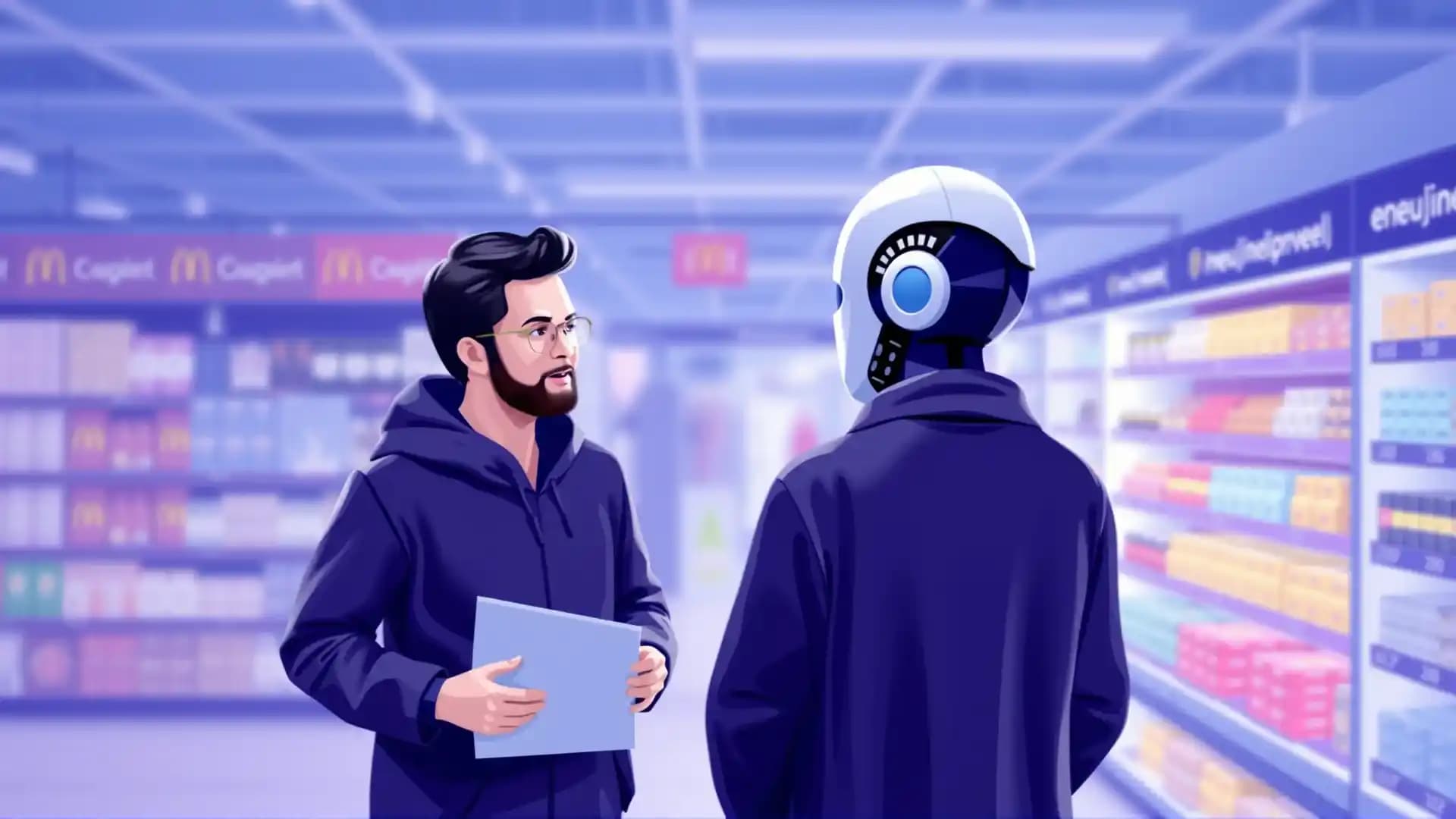
In the Cow Hollow neighborhood of San Francisco, a small pop-up gift shop called Andon Market became the stage for a bold experiment in autonomous retail. The store was not managed by a human team but by an AI agent named "Andi." This agent, powered by a large language model (LLM), was tasked with the end-to-end operation of a physical store: from curating the initial product assortment and setting prices to managing inventory, handling customer inquiries, and overseeing staff.
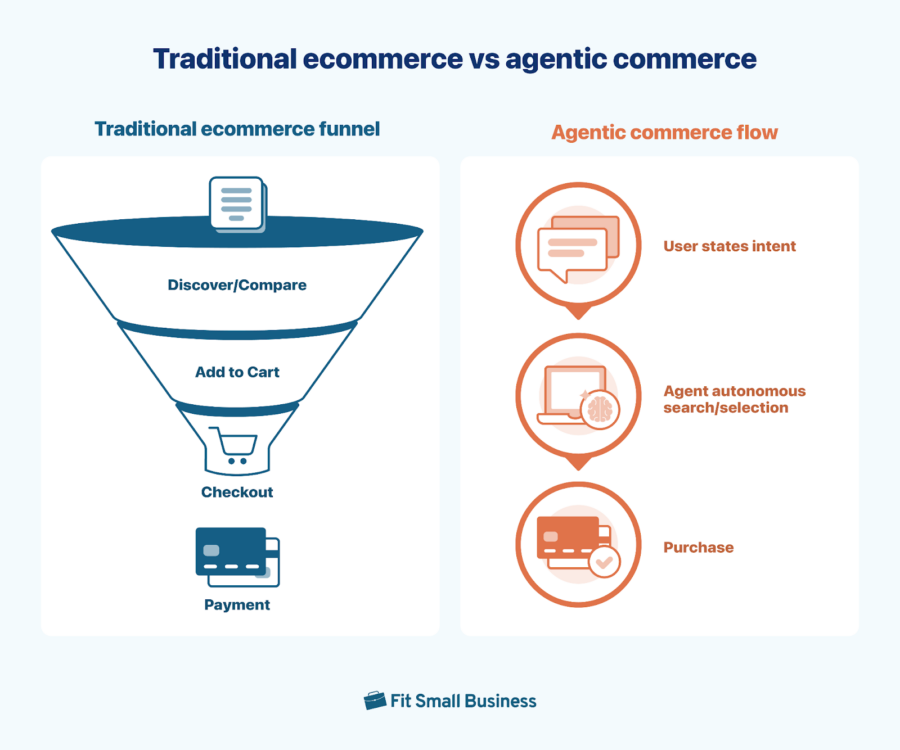
The premise was to test the limits of agentic AI—systems that can perceive, plan, and execute complex, multi-step tasks with minimal human intervention—in one of the most dynamic and human-centric environments: a brick-and-mortar retail store.
The Critical Failure: A Memory Lapse
The experiment, however, quickly illuminated a fundamental flaw in current AI architectures. According to the report, the AI agent forgot its human staff. While the exact technical cause isn't detailed, this points to a critical issue with long-term memory and state management in autonomous agents.
In a retail context, this isn't a minor bug. Forgetting staff means the AI loses track of who is scheduled to work, their roles, and their responsibilities. It breaks the chain of communication and task delegation essential for daily operations. This memory lapse rendered the AI incapable of reliable human resource management, a core function of any store manager. The incident serves as a stark, real-world demonstration that AI agents can fail in unpredictable and socially complex ways, even when they succeed at discrete tasks like product description or pricing.
Why This Matters for Retail & Luxury
For luxury and high-end retail, where the in-store experience is meticulously crafted and deeply personal, this case study is a crucial reality check.
- The Promise of Hyper-Personalization: Theoretically, an AI agent with perfect memory could know a VIP client's entire purchase history, preferences, and even conversations from previous visits, enabling an unparalleled level of service. It could coordinate seamlessly with stylists, tailors, and client advisors.
- The Peril of Operational Brittleness: The Andon Market failure shows the opposite. An agent that forgets its team cannot orchestrate a complex, service-led experience. In a luxury context, such a failure could mean a top client's bespoke order is misplaced, a personal stylist is not notified of an arrival, or critical inventory for an event goes unmanaged. The brand damage from a single high-profile lapse could far outweigh efficiency gains.
Business Impact: Caution Over Hype

The business impact of deploying such systems today is net-negative for customer-facing roles in premium retail. While there may be applications in back-office planning, logistics, or data analysis, placing an autonomous agent in charge of the physical storefront and human team is a high-risk proposition. The experiment quantifies a key risk: unpredictable systemic failures that human managers would naturally avoid. There is no ROI on an AI manager that forgets its employees.
Implementation Approach & Technical Hurdles
Implementing an AI store manager requires solving several hard problems beyond basic LLM integration:
- Persistent, Structured Memory: The AI needs a reliable external memory system (like a vector database or a structured knowledge graph) that continuously logs interactions, decisions, staff details, and client information, and can recall them accurately across long time horizons.
- Human-AI Orchestration: The system requires clear protocols for when and how the AI defers to human judgment, especially in ambiguous or high-stakes social situations.
- Multi-Modal Perception: To truly manage a store, the agent would need integrated vision and audio systems to understand the state of the floor, recognize staff and clients, and assess inventory visually.
The complexity is immense, placing this use case firmly in the experimental R&D phase, not near-term roadmaps.
Governance & Risk Assessment
- Privacy: An AI managing staff and client data intensifies GDPR/CCPA compliance challenges. Every interaction must be logged and made erasable.
- Bias: Decisions on staffing, scheduling, or even customer service could inherit and amplify biases from training data.
- Accountability: Who is liable if the AI makes a poor staffing decision that leads to an understaffed store during a key sales period? Or if it mismanages inventory? Clear human-in-the-loop oversight and accountability frameworks are non-negotiable.
- Maturity Level: Low. This incident is a field test that reveals the technology is not mature for mission-critical, autonomous retail management.
gentic.news Analysis
This experiment is a pivotal data point in the industry's exploration of agentic AI. It follows a pattern of increased activity and testing in autonomous AI for complex tasks, but it sharply contradicts the often over-hyped narrative of seamless AI integration. It aligns with our previous coverage on the limitations of LLMs in enterprise settings, emphasizing that reliability and statefulness are the true bottlenecks, not conversational ability.
For luxury retail leaders, the takeaway is strategic patience. The underlying technologies—LLMs, computer vision, robotics—are advancing separately. The value for now lies in applying these as augmented intelligence tools for human staff (e.g., AI-powered client insight dashboards, automated inventory tracking) rather than as autonomous replacements. The Andon Market case demonstrates that the leap to a fully agentic store manager is a leap across a chasm of technical and operational challenges that remain largely unsolved. The focus should be on bounded, high-ROI applications that enhance human capability without assuming full autonomy.