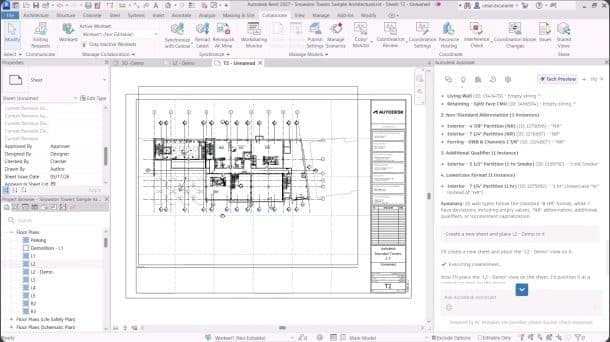
Autodesk released a public, open-source Model Context Protocol (MCP) server for Revit on June 18, 2026. The move lets AI agents read and write Building Information Modeling (BIM) data directly through Anthropic's emerging protocol standard.
Key facts
- 102 tools exposed for reading and modifying BIM data.
- Released June 18, 2026 under Apache 2.0 license.
- Built in C# and published on GitHub.
- 54% of 39,762 MCP servers have zero adoption (June 2026).
- Google invested $11B/year in SpaceX compute (June 2026).
Autodesk released a public, open-source Model Context Protocol (MCP) server for Revit on June 18, 2026 According to Autodesk's announcement. The server exposes 102 tools for reading, querying, and modifying Building Information Modeling (BIM) data, covering elements like walls, floors, doors, and structural grids.
Autodesk built the server in C# and published it on GitHub under an Apache 2.0 license. The company positioned it as a "trusted foundation" for AI-powered workflows, meaning architectural firms can now connect large language models or custom agents directly to their Revit models without building custom API integrations.
Why MCP Matters for CAD
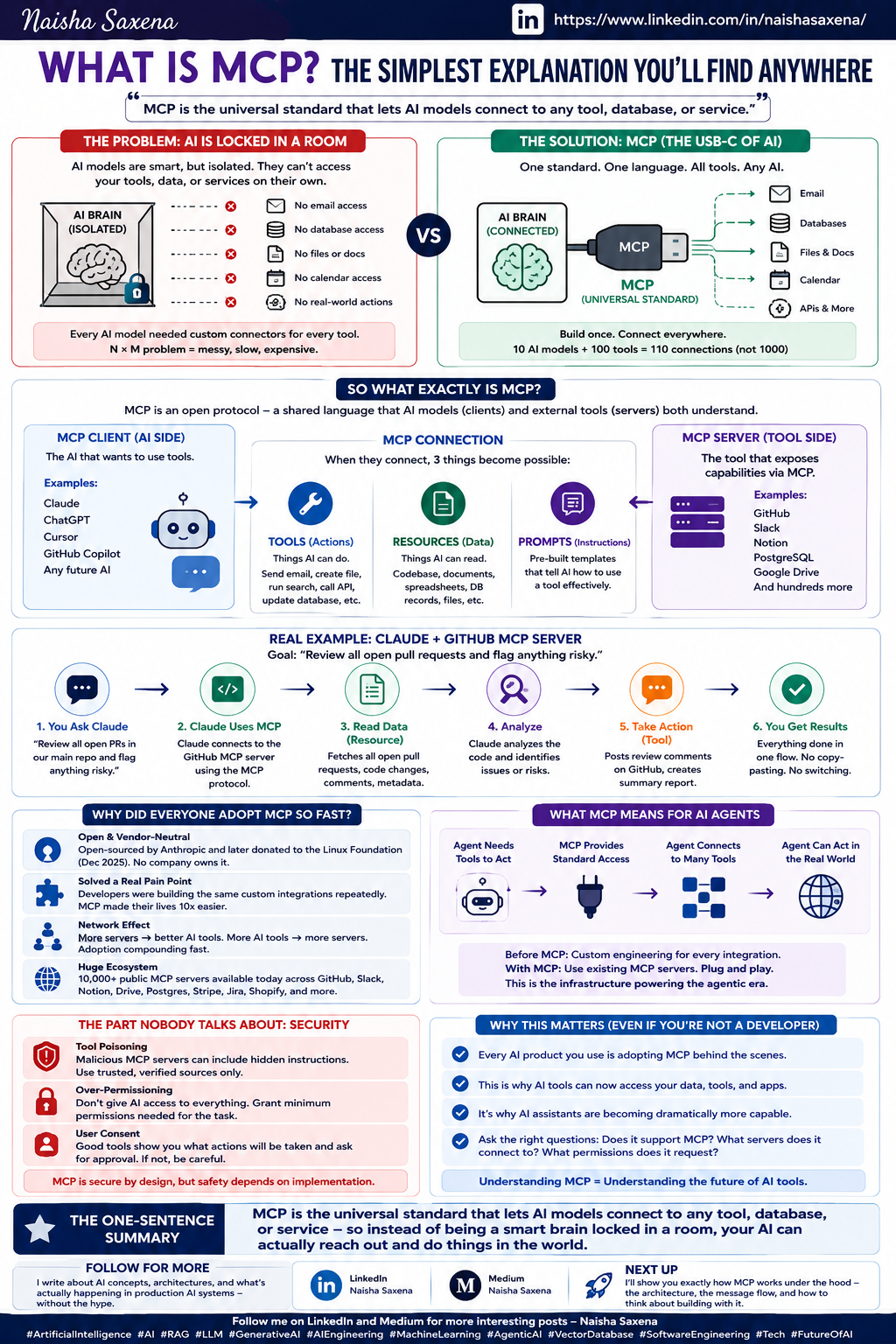
MCP adoption among enterprise software vendors has accelerated since Anthropic introduced the protocol in November 2024. Autodesk joins a growing list of companies — including GitHub, GovSpend, and others — that have published MCP servers for their platforms. The protocol standardizes how AI models connect to external tools, replacing the previous bespoke integration approach.
For architectural and engineering firms, the Revit MCP server means an AI assistant could theoretically query a model for load-bearing walls, then generate a structural report, or batch-update door schedules across a 102-story tower. The 102-tool surface area covers the most common Revit API operations, though Autodesk did not disclose whether the server supports all Revit categories.
The Competitive Landscape

Autodesk's move comes as Google, a key investor in Anthropic and a competitor in cloud CAD via Google Cloud, pushes its own AI tools into the AEC space. Google committed $11B/year to SpaceX for compute at xAI data centers as of June 2026, signaling a major infrastructure push that could undercut Autodesk's cloud strategy. The Revit MCP server effectively locks AI-driven BIM workflows into Autodesk's ecosystem, making it harder for Google or others to poach Revit users with alternative CAD tools.
However, the MCP ecosystem still faces adoption challenges. A June 15, 2026 report revealed that 54% of 39,762 MCP servers have zero community adoption, and a null result propagation bug causes silent failures. Autodesk's server, backed by a major vendor, may fare better than hobby projects, but enterprise adoption will depend on reliability and IT security reviews.
What to watch
Watch whether Autodesk publishes adoption metrics for the Revit MCP server by Q3 2026, and whether competitors like Bentley Systems or Trimble release their own MCP servers. Also track if Google Cloud launches a competing CAD-AI integration that bypasses Autodesk's ecosystem.
Source: news.google.com