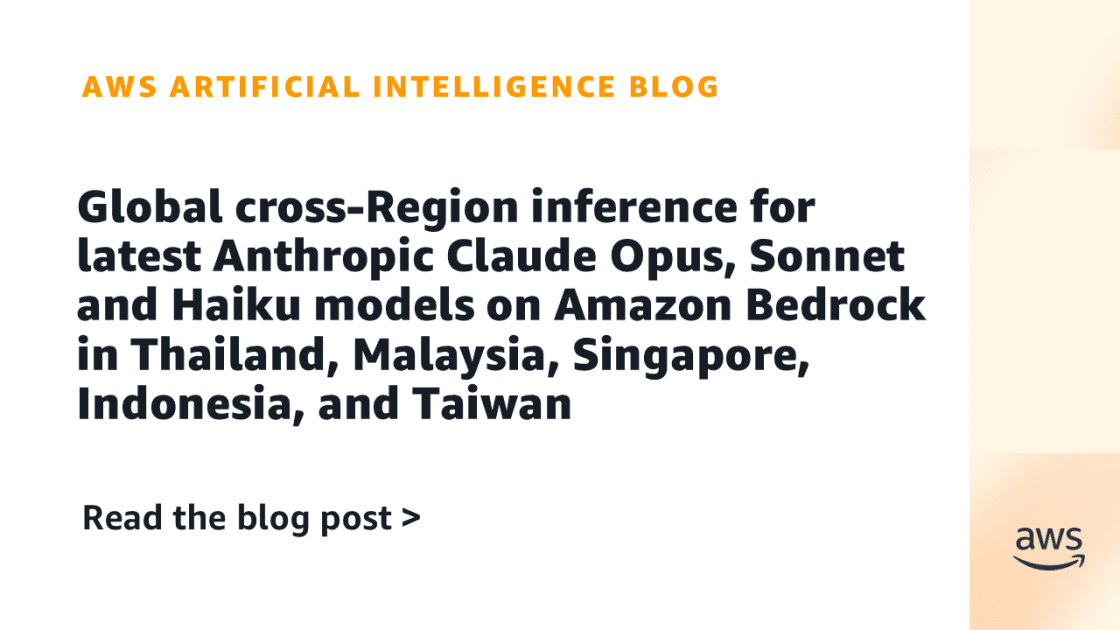
Amazon Web Services has significantly expanded access to Anthropic's Claude AI models across Southeast Asia through its Amazon Bedrock service. The new Global Cross-Region Inference (CRIS) capability now serves customers in Thailand, Malaysia, Singapore, Indonesia, and Taiwan, providing enterprise-grade access to Claude Opus 4.6, Claude Sonnet 4.6, and Claude Haiku 4.5 models through a globally distributed inference architecture.
What Global Cross-Region Inference Delivers
Global CRIS represents a sophisticated approach to AI model deployment that routes inference requests across multiple AWS regions automatically. This architecture provides several key advantages over traditional single-region deployments:
Resilience and Reliability: By distributing inference workloads across geographically separated regions, CRIS ensures continued service availability even if one region experiences disruptions. This built-in redundancy is particularly valuable for mission-critical AI applications where downtime is unacceptable.
Improved Throughput: The distributed nature of CRIS allows for higher overall throughput by leveraging capacity across multiple regions simultaneously. During traffic spikes—common in enterprise AI applications—the system can automatically route requests to regions with available capacity, preventing bottlenecks and maintaining consistent performance.
Latency Optimization: While not explicitly mentioned in the announcement, distributed inference architectures typically include intelligent routing that can direct requests to the geographically closest available region, potentially reducing latency for end-users across the diverse Southeast Asian market.
The Claude Model Family Now Available
The newly accessible models represent Anthropic's latest and most capable offerings:
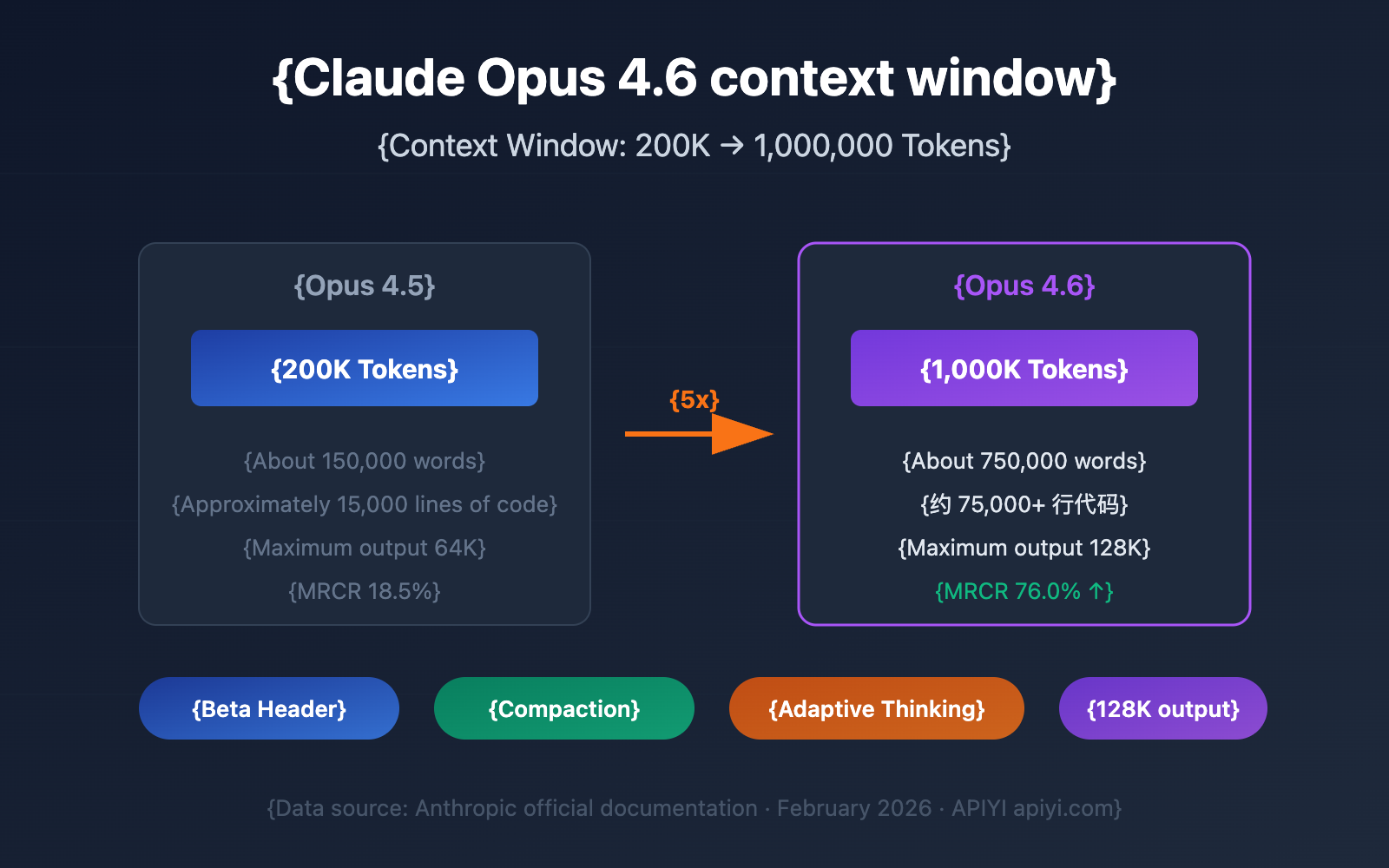
Claude Opus 4.6: Anthropic's most advanced model, designed for complex reasoning tasks, sophisticated analysis, and nuanced conversation. Opus represents the cutting edge of Anthropic's Constitutional AI approach, balancing capability with safety considerations.
Claude Sonnet 4.6: A balanced model offering strong performance at lower cost than Opus, suitable for most enterprise applications including content generation, classification, and data extraction.
Claude Haiku 4.5: The fastest and most cost-effective model in the Claude family, optimized for simple queries, quick interactions, and high-volume applications where speed and efficiency are paramount.
Technical Implementation and Best Practices
According to AWS documentation, implementing Global CRIS involves several technical considerations. The service automatically handles request routing across regions, but customers need to consider:
Quota Management: AWS provides guidance on managing inference quotas across regions to maximize the value of AI deployments. Proper quota allocation ensures that applications can scale effectively while controlling costs.
Production Deployment: AWS offers best practices for production deployments, including monitoring, logging, and security considerations specific to cross-region inference scenarios.
Regional Compliance: For customers operating in regulated industries, the distributed nature of CRIS requires careful consideration of data residency requirements and compliance frameworks across different Southeast Asian jurisdictions.
Market Context and Competitive Landscape
This expansion comes at a critical time in the Southeast Asian AI market. The region represents one of the fastest-growing technology markets globally, with increasing enterprise adoption of generative AI across financial services, e-commerce, healthcare, and manufacturing sectors.
Anthropic's partnership with AWS through Bedrock positions Claude models as enterprise-ready alternatives to OpenAI's GPT models, which also compete in the region through various cloud providers. The availability of Claude's full model family—from the cost-effective Haiku to the highly capable Opus—gives enterprises flexibility in matching model capabilities to specific use cases and budgets.
Implications for Southeast Asian Enterprises
The availability of Claude models through Global CRIS has several important implications for businesses in the covered countries:
Reduced Infrastructure Complexity: Enterprises no longer need to manage complex multi-region deployments themselves. AWS handles the distribution, scaling, and resilience aspects, allowing companies to focus on application development rather than infrastructure management.
Accelerated AI Adoption: By providing enterprise-grade access to state-of-the-art models, AWS lowers the barrier to entry for organizations looking to implement generative AI solutions. This could accelerate AI adoption across industries that have been cautious due to concerns about reliability and scalability.
Regional Innovation Enablement: Local developers and startups now have access to the same advanced AI capabilities as their counterparts in North America and Europe, potentially leveling the playing field for innovation in the Southeast Asian technology ecosystem.
Future Outlook and Strategic Considerations
This expansion likely represents just the beginning of AWS's strategy to dominate the enterprise AI infrastructure market in Southeast Asia. Several trends suggest what might come next:
Model Expansion: We can expect AWS to continue adding the latest Claude model versions as they become available, maintaining parity with Anthropic's direct offerings.
Geographic Expansion: Successful deployment in these five countries may lead to expansion to other Southeast Asian markets like Vietnam, Philippines, and Cambodia.
Integration with Local Services: AWS may develop deeper integrations with regional services and compliance frameworks to better serve local enterprise requirements.
Competitive Response: Other cloud providers will likely respond with similar offerings, potentially accelerating the availability of multiple AI model families across the region.
Getting Started with Claude on Amazon Bedrock
For organizations ready to begin experimenting with Claude models, AWS provides comprehensive documentation and code examples to help developers start building generative AI applications immediately. The combination of Anthropic's advanced models with AWS's enterprise-grade infrastructure creates a powerful platform for innovation, particularly for businesses with regional operations across multiple Southeast Asian countries.
As AI continues to transform business operations globally, access to reliable, scalable, and capable models becomes increasingly strategic. AWS's expansion of Claude availability through Global CRIS represents a significant step in making advanced AI accessible to enterprises across Southeast Asia's diverse and rapidly growing markets.