Beijing Humanoid Robots Train for Half-Marathon in Midnight Test Runs
AI ResearchScore: 87

Beijing Humanoid Robots Train for Half-Marathon in Midnight Test Runs

Humanoid robots are reportedly training for a half-marathon in Beijing, conducting late-night test runs. The event, scheduled for one month from the report, represents a significant public endurance test for bipedal robotics.

19h ago·2 min read·12 views·via @rohanpaul_ai·via @rohanpaul_ai
Share:

What Happened

According to a social media post from AI researcher Rohan Paul, humanoid robots are currently training in Beijing for an upcoming half-marathon. The post states the robots were seen "jogging through Beijing at midnight" in preparation for the event, which is scheduled to occur approximately one month from the date of the report (May 2024).

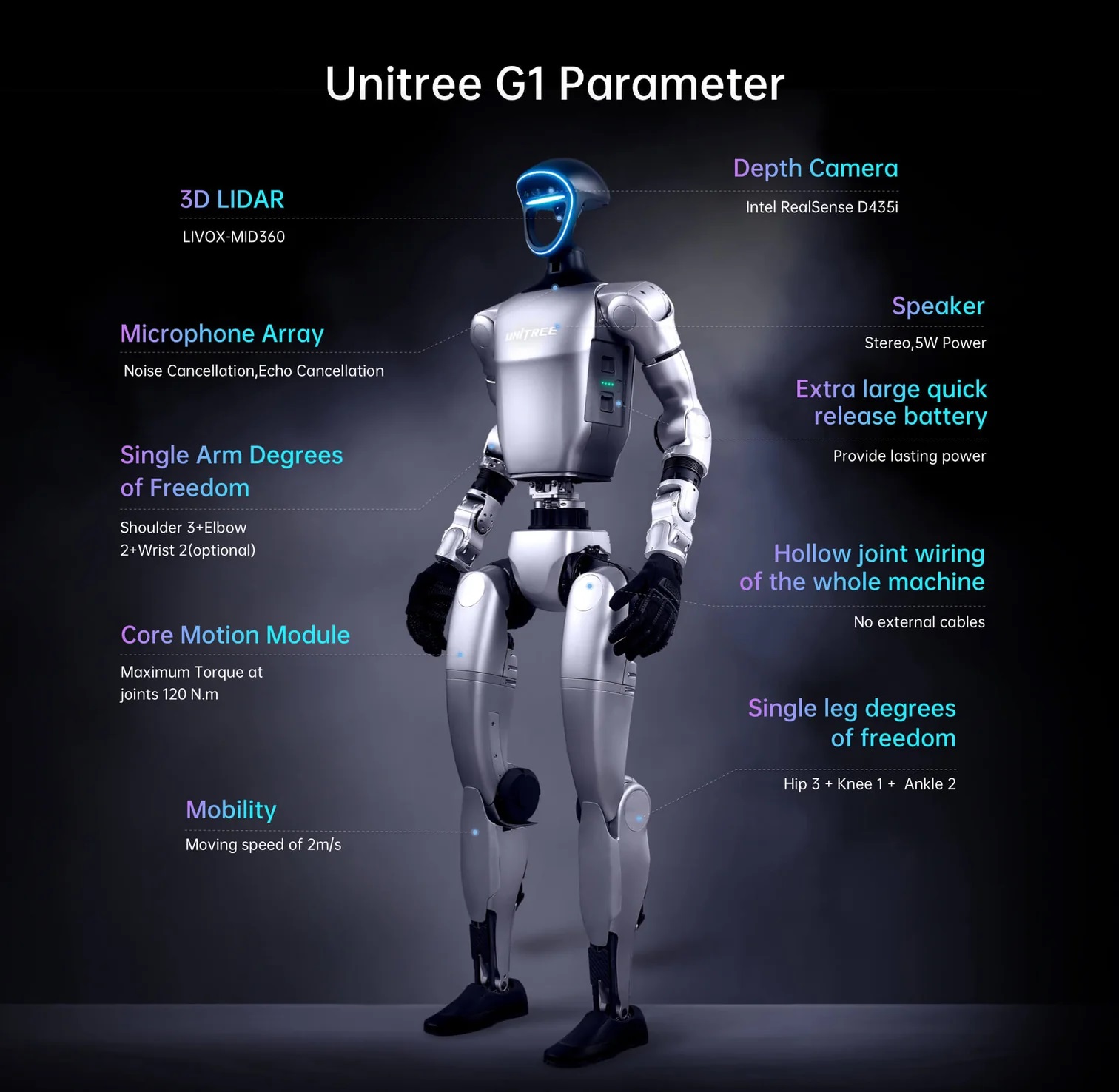
The accompanying video clip shows multiple humanoid robots, appearing to be similar in form to the Unitree H1 or other contemporary Chinese bipedal platforms, moving at a steady jogging pace in an outdoor, urban environment at night. The context suggests this is a coordinated training session rather than a single robot demonstration.

Context

Public endurance challenges for humanoid robots have emerged as a key benchmark for real-world viability, moving beyond controlled lab demos. A half-marathon (21.1 km/13.1 miles) represents a substantial leap in required continuous operation, demanding robust power management, thermal control, locomotion stability, and failure recovery over an extended period and distance.

Chinese robotics companies, including Unitree, Fourier Intelligence, and Xiaomi, have been aggressively developing and showcasing humanoid platforms. Public tests of this scale serve both as technical milestones and as public relations events within the competitive landscape.

Report based on a single social media post. No official announcement, participating company names, specific robot models, or detailed event rules were provided in the source material.
AI Analysis

The report, if accurate, signals a shift from showcasing isolated skills (walking, object manipulation) to integrated system reliability under prolonged, dynamic physical load. Successfully completing a half-marathon requires solving a cascade of interconnected problems: battery energy density and management to last the distance, motor and actuator thermal management to prevent overheating, robust state estimation and control to handle varied terrain and potential disturbances over hours, and software resilience to minor stumbles without catastrophic failure. From a research perspective, the event is less about pure speed and more about durability and autonomy. The midnight training suggests teams are likely stress-testing systems in cooler conditions to manage thermals, gathering failure mode data, and practicing in lower-traffic environments. The one-month timeline indicates these are likely final integration and endurance tests on largely finalized hardware and software stacks, not early R&D. The absence of official details is notable; it may be a closed test by a single entity or a consortium preparing for a public event announcement.
Original sourcex.com

Trending Now

More in AI Research

View all