What Changed — A Leaner, Multi-Provider Fork
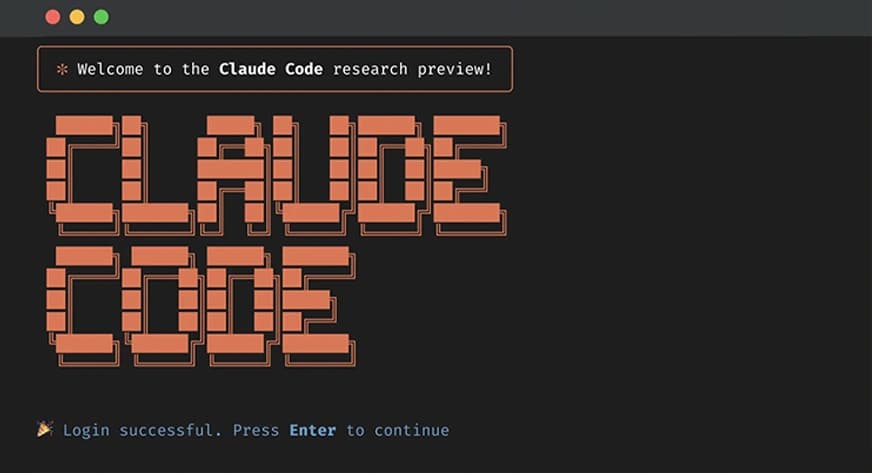
A developer has forked Anthropic's Claude Code into Better-Clawd, addressing what they call "self-inflicted problems" in the original. The core change is provider freedom: Better-Clawd supports Anthropic, OpenAI (via API key or Codex login), and OpenRouter as backends. It strips out all telemetry and reduces "phone-home" behavior, positioning itself as a local-first, vendor-agnostic alternative.
This follows a broader trend of developers seeking to decouple AI tool interfaces from single corporate backends. The fork's timing is notable, coming just after Anthropic's recent DMCA takedown actions, which signaled a stricter stance on Claude Code's intellectual property.
What It Means For You — Choice and Control
If you're locked into the OpenAI ecosystem or want to compare models via OpenRouter, you now have a CLI path. Better-Clawd claims tangible performance wins: faster startup, lower idle CPU usage, and better memory management during long coding sessions. The maintainer has documented these in a PERFORMANCE.md file.
For daily use, this means you can switch between Claude Opus 4.6, GPT-4o, or any model OpenRouter supports without changing your terminal workflow. The original Claude Code's architecture, built on the Model Context Protocol (MCP), already allowed for backend flexibility, but this fork makes it explicit and removes the default Anthropic dependency.
Try It Now — Installation and Setup
Installation is straightforward via npm:
npm install -g better-clawd
# Or run without install:
npx better-clawd
Once installed, run better-clawd and use the /login command within the CLI. You'll be prompted to choose your provider and complete the authentication flow. Confirm your setup with /status.
For headless or CI environments, use environment variables:
For OpenAI:
export BETTER_CLAWD_API_PROVIDER=openai
export OPENAI_API_KEY=your_key_here
# Optional: export OPENAI_BASE_URL=https://api.openai.com/v1
For OpenRouter:
export BETTER_CLAWD_API_PROVIDER=openrouter
export OPENROUTER_API_KEY=your_key_here
# Optional: export OPENROUTER_BASE_URL=https://openrouter.ai/api
The project maintains the original Claude Code's core UX—your existing CLAUDE.md files and workflows should work unchanged. The difference is what happens behind the scenes.
The Trade-offs and Considerations
Using a fork means you're diverging from Anthropic's official release channel. You won't get automatic updates to new Claude Code features unless the fork maintainer merges them. However, for developers who value model choice and privacy over tight integration with Anthropic's ecosystem, this is a viable alternative.
The performance claims—particularly around reduced background churn—are worth testing if you keep Claude Code sessions open for hours. Less corporate "baggage" might translate to fewer unexpected network calls or data collection, though you should audit the code yourself if this is critical.
Ultimately, Better-Clawd demonstrates that Claude Code's underlying architecture has value beyond Anthropic's models. As the AI agent space fragments, expect more forks and wrappers that prioritize interoperability.