Key Takeaways
- The article provides a practical breakdown of how to build a production-ready fraud detection system, emphasizing the integration of payment models, sequence models, and shadow mode deployment.
- It moves beyond pure model training to focus on the operational ML system.
What Happened
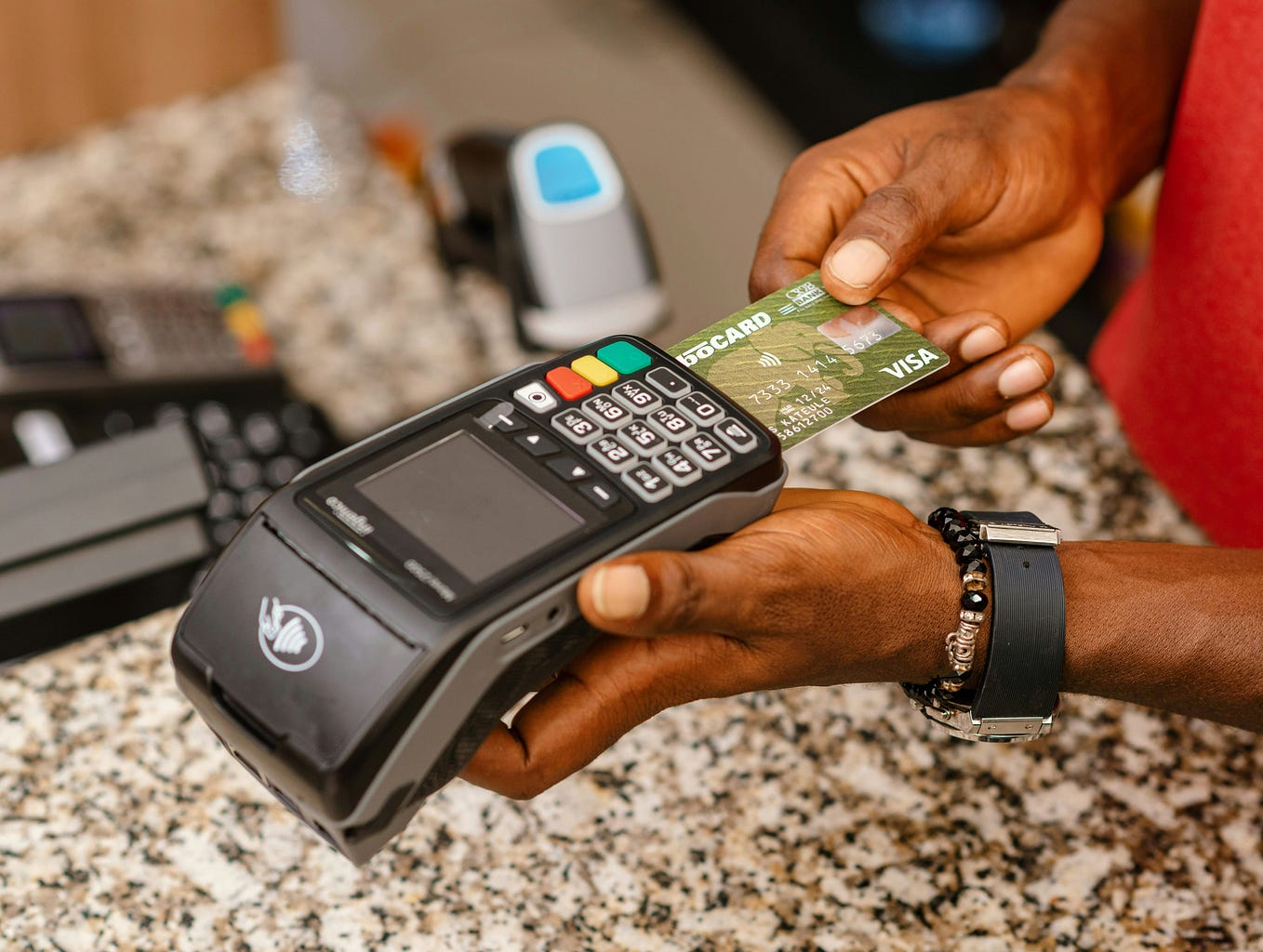
A new article on Medium provides a practitioner's guide to constructing a real-world fraud detection system. The core thesis is that moving from a trained model to a reliable, production-grade system requires integrating several critical components beyond the algorithm itself. The author highlights three key elements: payment models, sequence models, and shadow mode deployment.
While the full article is behind a Medium paywall, the snippet and title clearly indicate a focus on the practical, systemic challenges of operationalizing machine learning for fraud detection. This is a classic MLOps problem—bridging the gap between experimental accuracy and production reliability.
Technical Details

The article's summary points to a holistic architecture:
- Payment Models: This likely refers to the business logic and rule-based systems that must interact with the ML model. A fraud system isn't just a classifier; it needs to understand transaction types, payment methods, risk thresholds, and business policies to make actionable decisions (e.g., block, flag for review, allow).
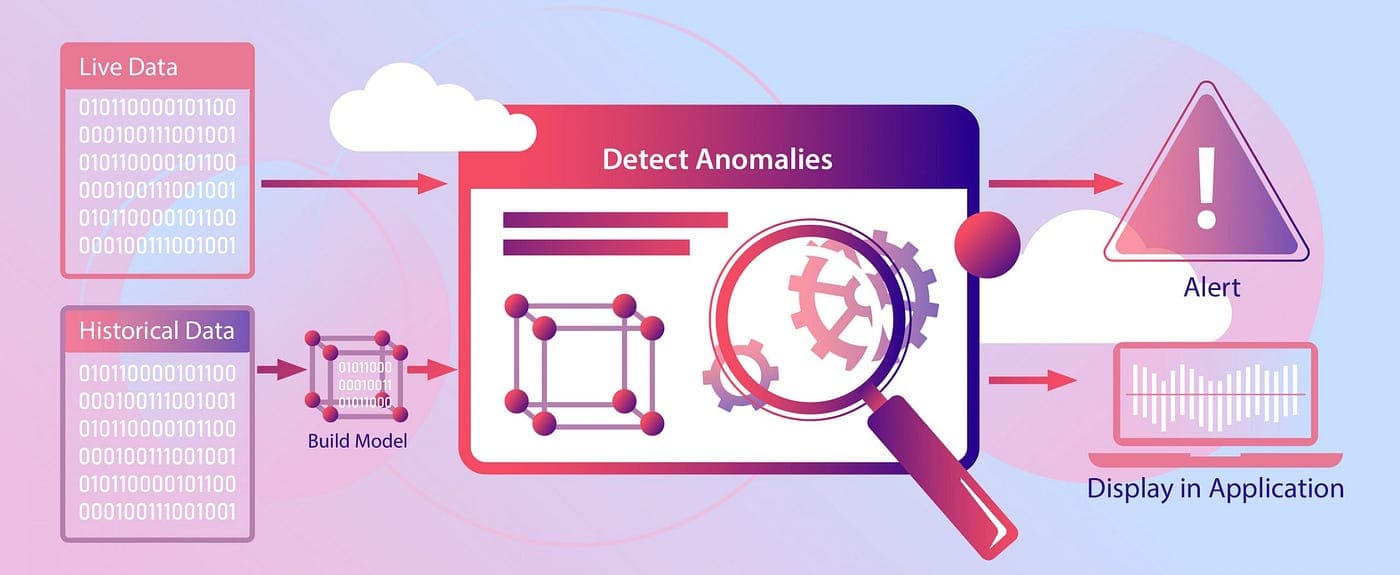
- Sequence Models: Fraud is often a pattern over time, not an isolated event. Sequence models (like LSTMs, Transformers, or even simpler time-series analyzers) are crucial for detecting suspicious sequences of transactions—rapid small purchases, geographic hopping, or testing stolen cards—that a single-transaction model would miss.
- Shadow Mode: This is a critical deployment strategy for mitigating risk. Instead of letting a new model make live decisions immediately, it runs in parallel with the existing system (in "shadow"), logging its predictions without acting on them. This allows teams to compare performance, validate stability, and build confidence before a full cutover.
Together, these components represent the shift from a data science notebook to a resilient service. It’s about designing for observability (can you explain why a transaction was flagged?), recoverability (can you roll back a bad model without downtime?), and business integration (does the output trigger the correct workflow for your fraud analysts?).
Retail & Luxury Implications
For luxury and retail, where high-value transactions, omnichannel purchasing, and sophisticated fraud rings are prevalent, this systems-thinking approach is non-negotiable.
- High-Stakes Transactions: A false positive (blocking a legitimate high-net-worth customer) can cost thousands in lost sales and irreparable brand damage. A false negative (allowing a fraudulent purchase) results in direct financial loss and chargebacks. The integration of payment models ensures the system's sensitivity is tuned per channel (e.g., in-store vs. online) and product category (e.g., fine jewelry vs. ready-to-wear).
- Omnichannel Fraud Patterns: Fraudsters exploit gaps between channels. A sequence model that can track a customer's behavior across web, mobile, and physical POS is essential to spot anomalies like a new online account that immediately attempts an in-store pickup of a high-ticket item.
- Brand Safety and Model Evolution: Luxury brands cannot afford public missteps. Deploying new fraud models in shadow mode is a risk-mitigation imperative. It allows for rigorous A/B testing against the legacy system in the real-world environment, ensuring new AI capabilities don't degrade the customer experience or introduce unexpected biases before going live.
Implementing such a system requires close collaboration between data science, platform engineering, and fraud/risk operations teams—a core tenet of mature MLOps practice.