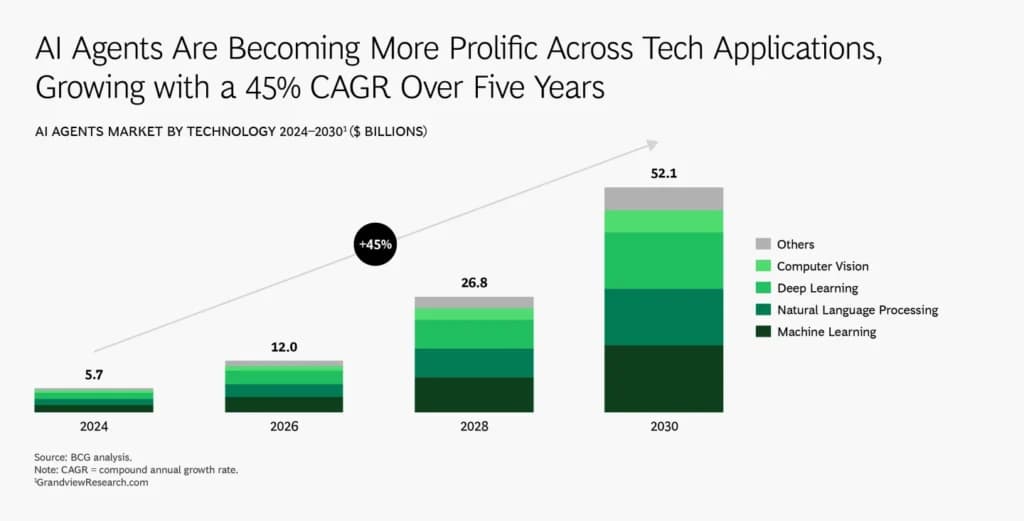
Key Takeaways
- BCG published a framework for building enterprise AI agents in regulated industries, emphasizing governance, compliance, and human oversight.
- This matters as AI agents scale in sectors like finance and healthcare, where regulatory risks are high.
What Happened
Boston Consulting Group (BCG) released a framework for building enterprise AI agents in regulated industries, addressing the unique challenges of deploying autonomous AI systems in sectors like finance, healthcare, and insurance. The report focuses on governance, compliance, and human-in-the-loop oversight as critical enablers for safe and effective AI agent adoption.
Technical Details
BCG's framework outlines several key components:
- Governance Layer: Establishing clear policies for AI agent behavior, including decision-making boundaries and escalation protocols.
- Compliance Integration: Embedding regulatory requirements (e.g., GDPR, HIPAA, SOX) directly into agent workflows to ensure auditability.
- Human Oversight: Implementing human-in-the-loop mechanisms for high-risk decisions, with fallback procedures for agent failures.
- Guardrails: Defining explicit constraints on agent actions, such as transaction limits or data access restrictions, to prevent unauthorized behavior.
- Testing and Monitoring: Continuous validation of agent outputs against regulatory standards, with automated logging for compliance reporting.
The framework is designed to be industry-agnostic but includes specific guidance for sectors with existing regulatory frameworks.
Retail & Luxury Implications
While BCG's framework targets regulated industries broadly, retail and luxury sectors face their own regulatory pressures—particularly around data privacy (GDPR, CCPA), product safety, and advertising standards. For luxury brands, AI agents handling customer interactions or supply chain decisions must comply with these rules.
Potential applications include:
- Customer Service Agents: Automating returns, refunds, and inquiries while ensuring GDPR compliance for personal data handling.
- Supply Chain Agents: Managing inventory across borders, adhering to customs and trade regulations.
- Marketing Agents: Generating personalized campaigns that comply with advertising laws and brand guidelines.
However, the direct relevance to retail is moderate, as most retail AI agents operate in lower-risk environments compared to finance or healthcare.
Business Impact
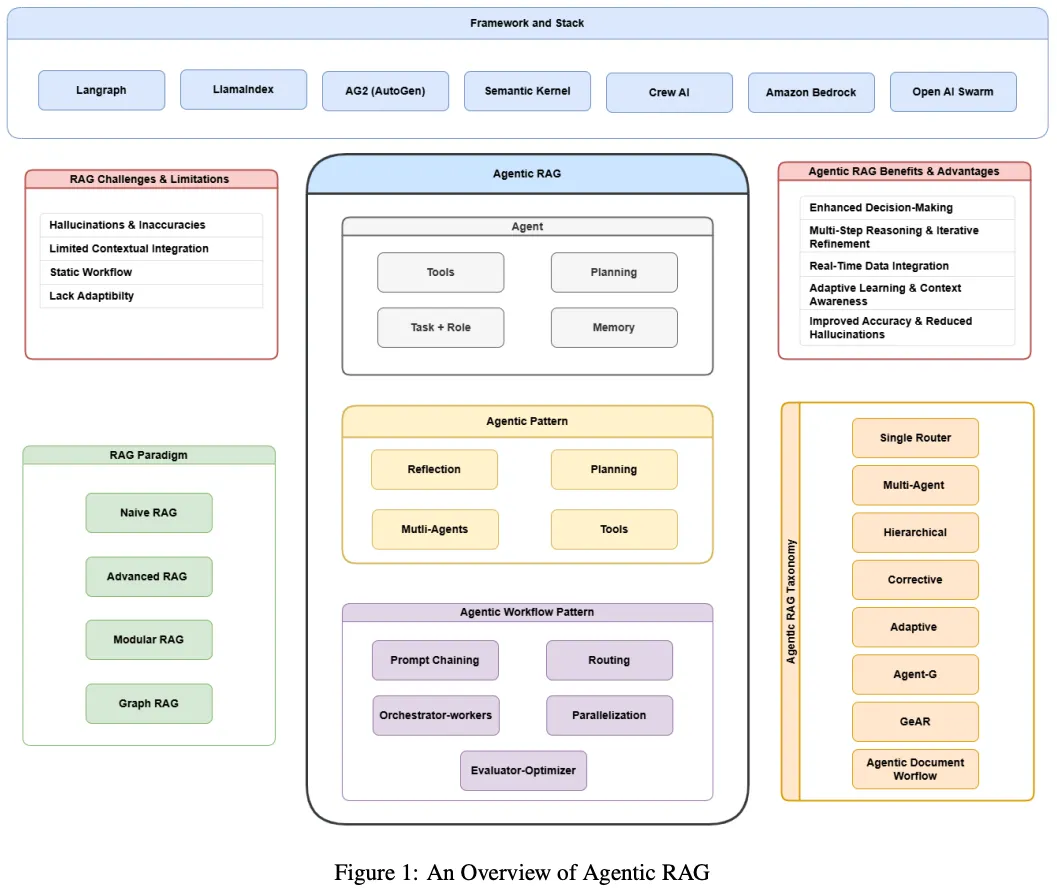
BCG does not provide quantified metrics in the source, but the framework implies significant cost savings from reduced compliance violations and faster audit processes. In regulated industries, non-compliance fines can reach 4% of annual revenue (GDPR) or millions per violation (HIPAA). Deploying AI agents with built-in governance could reduce these risks.
For retail, the impact is more about operational efficiency—fewer manual reviews for customer service or supply chain decisions—rather than direct regulatory savings.
Implementation Approach
BCG recommends a phased deployment:
- Assessment: Map regulatory requirements to agent use cases.
- Design: Build governance and guardrails into agent architecture.
- Pilot: Test in low-risk scenarios with human oversight.
- Scale: Expand to higher-risk applications with continuous monitoring.
Technical requirements include:
- Integration with compliance databases (e.g., regulatory APIs).
- Logging and auditing infrastructure (e.g., blockchain or immutable logs).
- Human-in-the-loop interfaces for exception handling.
Governance & Risk Assessment
- Privacy: High risk; agents must avoid unauthorized data access.
- Bias: Medium risk; agent decisions must be fair and explainable.
- Maturity: The framework is conceptual; production deployments remain limited.
- Regulatory: Varies by sector; retail has lower regulatory burden than finance.
Overall, BCG's framework is a useful starting point for any enterprise considering AI agents, but retail leaders should prioritize use cases with clear ROI and manageable compliance overhead.
Source: news.google.com