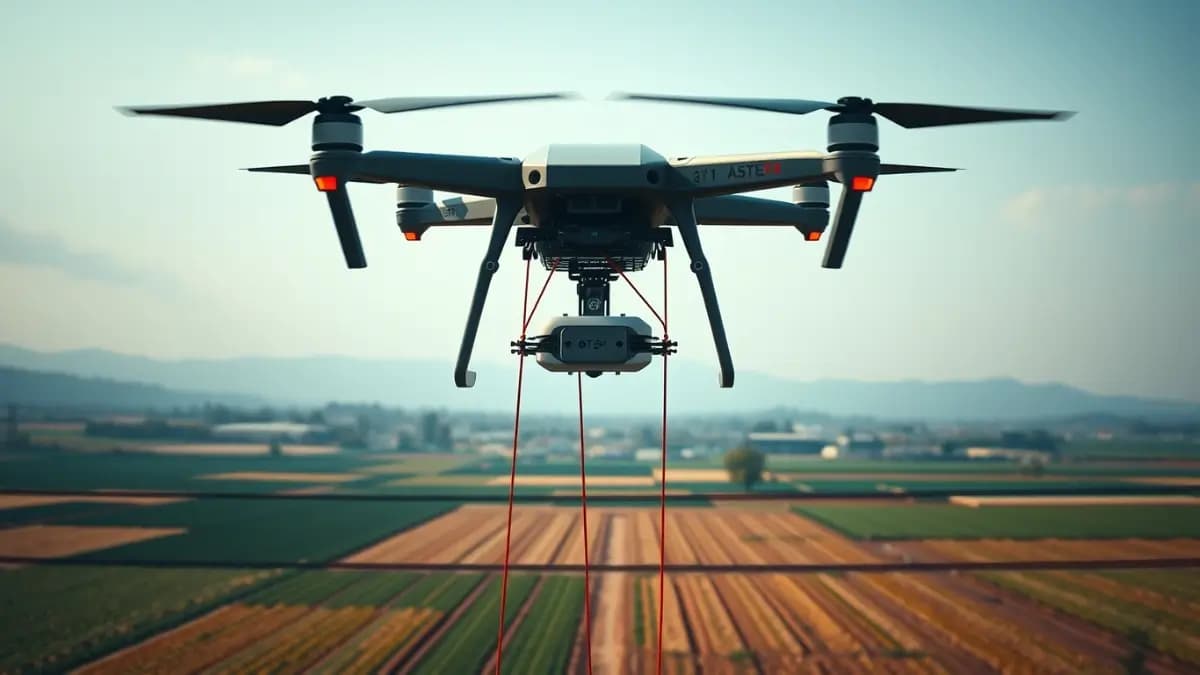
China is conducting a large-scale rollout of robotic systems designed to perform dangerous electrical grid maintenance tasks. According to reports, these "robotic electricians" are being deployed to install and inspect live high-voltage power lines at significant altitudes, work traditionally performed by human technicians.
The development represents a practical application of robotics and automation to address worker safety challenges in critical infrastructure maintenance.
What the Robots Do
The robotic systems are engineered to operate on energized high-voltage transmission lines—work that involves extreme risks including electrocution, falls from height, and arc flash incidents. According to the source material, these robots specifically:
- Install electrical wires on live high-voltage systems
- Inspect existing infrastructure while it remains energized
- Operate at high altitudes along power transmission corridors
- Maintain grid operations safely without requiring power shutdowns
By automating these tasks, utility operators can keep the electrical grid running while eliminating the need for human workers to perform what has been described as "dangerous manual labor."
Technical Context and Implementation Scale
While the source doesn't provide specific technical specifications about the robotic systems, similar developments in the utility robotics space typically involve:
- Remote operation capabilities allowing technicians to control robots from safe distances
- Specialized insulation and grounding systems to handle high-voltage environments
- Robotic arms with customized tools for wire handling, connector installation, and inspection sensors
- Autonomous navigation systems that allow robots to traverse power lines
The key phrase "on a massive scale" suggests this isn't a pilot program or limited demonstration but rather an operational deployment across China's extensive power grid infrastructure. China operates the world's largest national grid, with over 1.4 million circuit kilometers of transmission lines above 110 kilovolts, creating substantial demand for maintenance automation.
Safety and Economic Drivers
The primary driver for this automation appears to be worker safety. High-voltage line work consistently ranks among the most dangerous occupations worldwide, with risks including:
- Electrical shock and burns from contact with energized components
- Falls from transmission towers often exceeding 30 meters in height
- Exposure to extreme weather conditions during outdoor work
- Long-term health effects from electromagnetic field exposure
Beyond safety, robotic maintenance offers potential operational benefits:
- Reduced grid downtime by enabling work on energized lines
- Increased inspection frequency through automated systems
- Consistent work quality unaffected by human fatigue or environmental conditions
- 24/7 operation capability during optimal weather windows
Industry Context
Robotic systems for power line maintenance aren't entirely new—companies like Hydro-Québec's research institute IREQ have developed similar technologies, and various utilities worldwide have experimented with line inspection drones and robots. However, China's reported "massive scale" deployment represents a significant escalation in operational implementation.
Other countries have developed specialized robots for utility work, including:
- LineScout (Canada): A teleoperated robot for live transmission line inspection
- Expliner (Japan): An inspection robot for high-voltage power lines
- SkySweeper (USA): A low-cost robotic concept for power line inspection
What distinguishes the Chinese deployment appears to be the systematic implementation across a national grid rather than isolated pilot projects.
gentic.news Analysis
This development represents a significant milestone in industrial robotics moving beyond manufacturing floors into field operations for critical infrastructure. The transition from laboratory prototypes to "massive scale" deployment indicates that the technology has reached sufficient reliability and cost-effectiveness for widespread adoption.
From a technical perspective, the most challenging aspects likely involve the robots' ability to handle unpredictable environmental conditions—wind, rain, ice accumulation on lines—while maintaining precise manipulation capabilities. The systems probably incorporate substantial redundancy in power systems, communications, and failure recovery mechanisms, given that a robot failure on a live high-voltage line could itself create grid reliability issues.
Economically, this automation addresses a growing challenge for utilities worldwide: an aging workforce with specialized high-voltage skills that's difficult to replace. By transferring these dangerous tasks to robots, utilities can potentially extend the service life of experienced technicians who can oversee multiple robotic systems rather than performing hazardous work themselves. The business case likely includes not just direct safety benefits but also reduced insurance costs, fewer work stoppages due to weather, and potentially faster completion of maintenance tasks through 24/7 robotic operation.
Looking forward, the data collected by these robotic systems—detailed imagery, thermal readings, corrosion measurements—could feed into predictive maintenance models that anticipate failures before they occur. This creates a virtuous cycle where automation enables better data collection, which improves maintenance planning, which further justifies automation investment.
Frequently Asked Questions
What types of tasks can robotic electricians perform?
Based on the available information, these robotic systems can install new electrical wires on live high-voltage lines and inspect existing infrastructure while it remains energized. They likely handle tasks like visual inspection, thermal imaging to detect hot spots, corona discharge detection, and possibly simple repairs or component replacements. The key capability is operating on energized lines at height without requiring power shutdowns.
How do robotic electricians improve grid reliability?
By enabling maintenance and inspection work on energized lines, these robots eliminate the need for planned power outages during maintenance windows. This means the grid can continue operating while maintenance occurs. Additionally, automated systems can potentially inspect lines more frequently and consistently than human crews, identifying developing issues before they cause unplanned outages.
Are similar robotic systems used in other countries?
Yes, several countries have developed robotic systems for power line maintenance, including Canada's LineScout, Japan's Expliner, and various research prototypes in the United States and Europe. However, China's reported "massive scale" deployment appears to represent the most extensive operational implementation to date, likely leveraging the country's centralized grid management and manufacturing capabilities for robotics.
What are the main technical challenges for power line robots?
The primary challenges include operating reliably in harsh outdoor environments (wind, rain, extreme temperatures), navigating complex obstacles along power lines (insulators, connectors, towers), manipulating components with sufficient precision while dealing with line movement, and maintaining continuous power and communications. The high-voltage environment adds complexity, requiring specialized insulation, grounding, and safety systems to prevent arcs or short circuits during operation.