ByteDance's Doubao and Alibaba's Qwen will disable custom AI agents by July 15. The move directly precedes China's artificial-intelligence-anthropomorphic-interaction-services" class="entity-chip">Interim Measures for the Administration of Artificial Intelligence Anthropomorphic Interaction Services taking effect that same day.
Key facts
- ByteDance's Doubao agent feature goes offline July 15.
- Alibaba's Qwen disables custom agents by October 15.
- Rules exclude customer service, education, and research bots.
- Measures cite risks of addiction, privacy leaks, and extremism.
- Interim Measures effective July 15, issued April 2026.
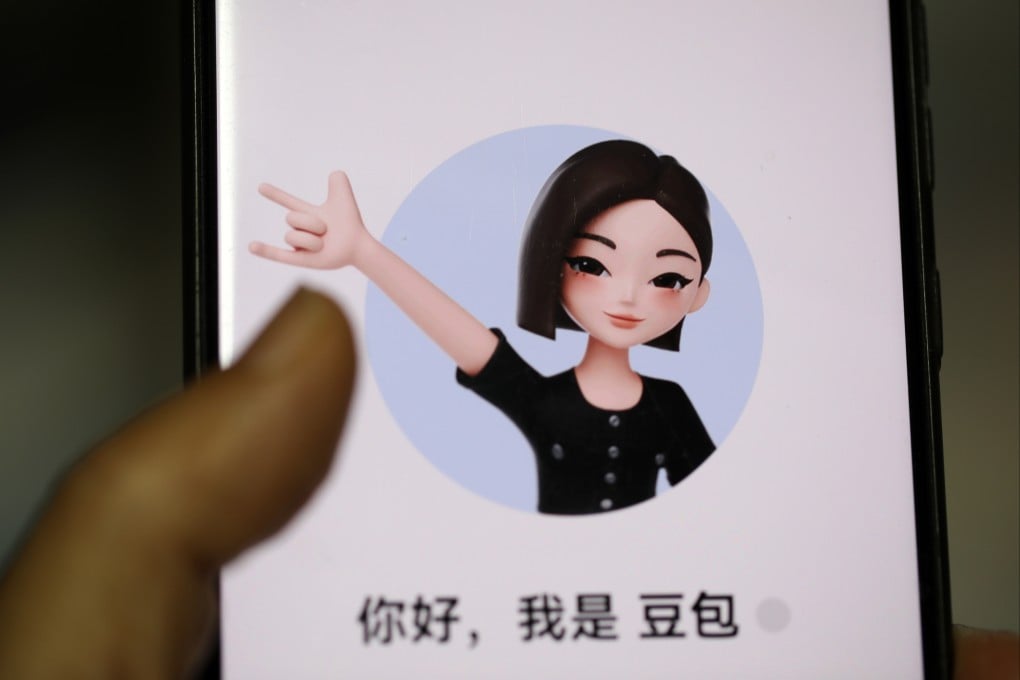
Two of China's largest consumer AI apps are pulling custom agent features ahead of a July 15 regulatory deadline. ByteDance's Doubao told users in a Friday evening notice that its agent feature would go offline on July 15 due to "product function adjustments," per the South China Morning Post. Alibaba's Qwen is similarly disabling its customised agent offerings by October 15, after which the functionality will be fully removed.
What the rules target
The Interim Measures for the Administration of Artificial Intelligence Anthropomorphic Interaction Services, issued in April and effective July 15, cover AI services that "simulate human personality traits, thinking patterns and communication styles to provide sustained emotional interaction." The rules explicitly exclude customer service bots, knowledge Q&A tools, workplace assistants, education platforms, and scientific research tools — as long as they do not involve sustained emotional interaction.
The measures cite risks including extremist ideas, privacy leaks, harm to physical and mental health, and dependence or addiction. Both Doubao and Qwen had offered pools of agents — created by both the companies and users — customisable for specific tasks, skills, and speaking styles. Users could turn a general-purpose chatbot into a named assistant, tutor, role-playing character, or companion with a fixed persona and tone.
This is not a blanket AI ban. It is a surgical strike on emotional AI companions — the category that has exploded in China with apps like Xiaoice and Replika-inspired clones. By carving out customer service, education, and research, Beijing is signaling that productivity AI is acceptable while emotional dependency AI is not. The timing is notable: ByteDance just published research showing AI agents double learning speed every 3 months [as gentic.news reported on July 3], yet the company is now forced to disable the very agent features that made Doubao sticky. The contradiction highlights the tension between China's AI ambitions and its social stability priorities.
Scope and enforcement
The rules apply to any service operating in China that provides anthropomorphic interaction, regardless of the developer's headquarters. Foreign companies offering emotional AI companions to Chinese users would also be subject to the measures. Enforcement falls under the Cyberspace Administration of China, which can issue fines, suspend services, or revoke operating licenses for non-compliance. The exclusion of customer service and education bots suggests Beijing is drawing a bright line: utility is permitted, emotional attachment is not.
What to watch
Watch for ByteDance and Alibaba's Q3 earnings calls: both companies will likely disclose the user engagement impact of disabling agent features. Also track whether Baidu's Ernie Bot and Tencent's Hunyuan follow suit before October 15, and whether any foreign AI companion apps exit the Chinese market.
Source: scmp.com