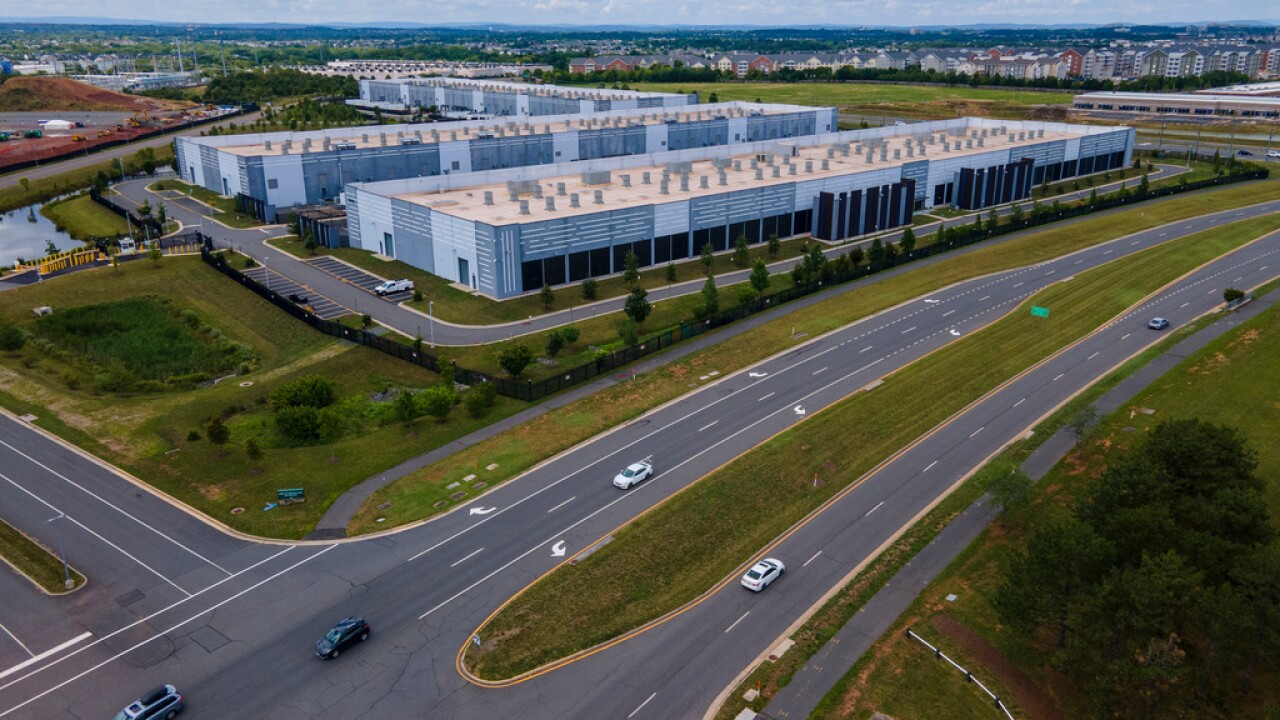
PJM Interconnection's 2026 electricity prices surged 76%, per Monitoring Analytics, driven by AI data center demand. The federal watchdog now demands tech giants pay for their own power infrastructure.
Key facts
- PJM electricity prices spiked 76% in 2026, per Monitoring Analytics.
- Hill County, Texas enacted one-year data center moratorium.
- Florida Governor DeSantis signed data center restrictions into law.
- Chinese fiber optic orders booked through 2027 due to AI demand.
- DOE issued RFI for AI infrastructure on federal lands.
The PJM Interconnection, the largest wholesale electricity market in the U.S. covering 65 million people across 13 states and D.C., saw average power prices spike 76% in 2026. Monitoring Analytics, PJM's independent market monitor, called the increase 'irreversible' and squarely blamed AI data center load growth. [According to the source]
Key Takeaways
- PJM electricity prices spiked 76% from AI data center demand.
- Federal watchdog demands tech giants pay for grid upgrades, as local bans multiply.
The Federal Demand

Monitoring Analytics is pushing federal regulators at FERC to require hyperscalers—Google, Microsoft, Amazon, Meta—to pay directly for transmission upgrades and new generation capacity they trigger. The watchdog argues that current cost allocation spreads infrastructure costs across all ratepayers, effectively subsidizing AI buildouts with residential and small-business electricity bills. [According to the source]
Local Pushback Intensifies
Hill County, Texas passed a one-year moratorium on new data center projects to study community impacts. The County Attorney warned the county could face lawsuits, and a Texas State Senator asked the Attorney General to investigate counties with similar bans. Florida Governor Ron DeSantis enacted data center restrictions to shield residents from water and energy cost increases. [According to the source] Pennsylvania residents are blaming Governor Josh Shapiro for the proliferation of data centers, despite his policies aimed at balancing development with public welfare.
Supply Chain Bottlenecks

Major Chinese optical fiber manufacturers have booked orders stretching into 2027, as AI data center construction drives demand the supply chain cannot match. [According to the source] The Department of Energy issued a Request for Information on AI infrastructure development on federal lands, signaling the administration's recognition that grid capacity is the binding constraint on AI expansion. [According to the source]
The Unique Take
The 76% price spike reveals a structural contradiction: AI hyperscalers are the primary beneficiaries of cheap power, yet they externalize the grid costs onto everyone else. This is not a temporary supply crunch—it's a permanent shift in the cost structure of U.S. electricity. The federal demand that tech giants pay for their own infrastructure would fundamentally reprice AI compute economics, potentially increasing per-MWh costs for data centers by 40-60% if implemented.
What to watch
Watch FERC's response to Monitoring Analytics' demand, expected by Q3 2026. If the commission requires direct grid-cost allocation, it could add 40-60% to hyperscaler power expenses, reshaping AI data center site selection and potentially slowing buildout pace.
[Updated 17 May via gn_ai_data_center]
Vermont Senate lawmakers advanced a bill to regulate AI data centers, requiring environmental and energy impact reviews before construction. The move marks the first New England state-level response to the PJM price spike, per WPTZ.