Maryland ratepayers face $2 billion in grid upgrade costs for out-of-state AI data centers. PJM's cost allocation rules triggered a formal complaint to FERC.
Key facts
- $2B in transmission costs assigned to Maryland customers.
- $1.6B in higher Maryland ratepayer bills over 10 years.
- $22B in total PJM transmission project costs in 3 years.
- Rural sites bypass city council approvals and rezoning votes.
- Global datacenter capex reaches $250-300B annually.
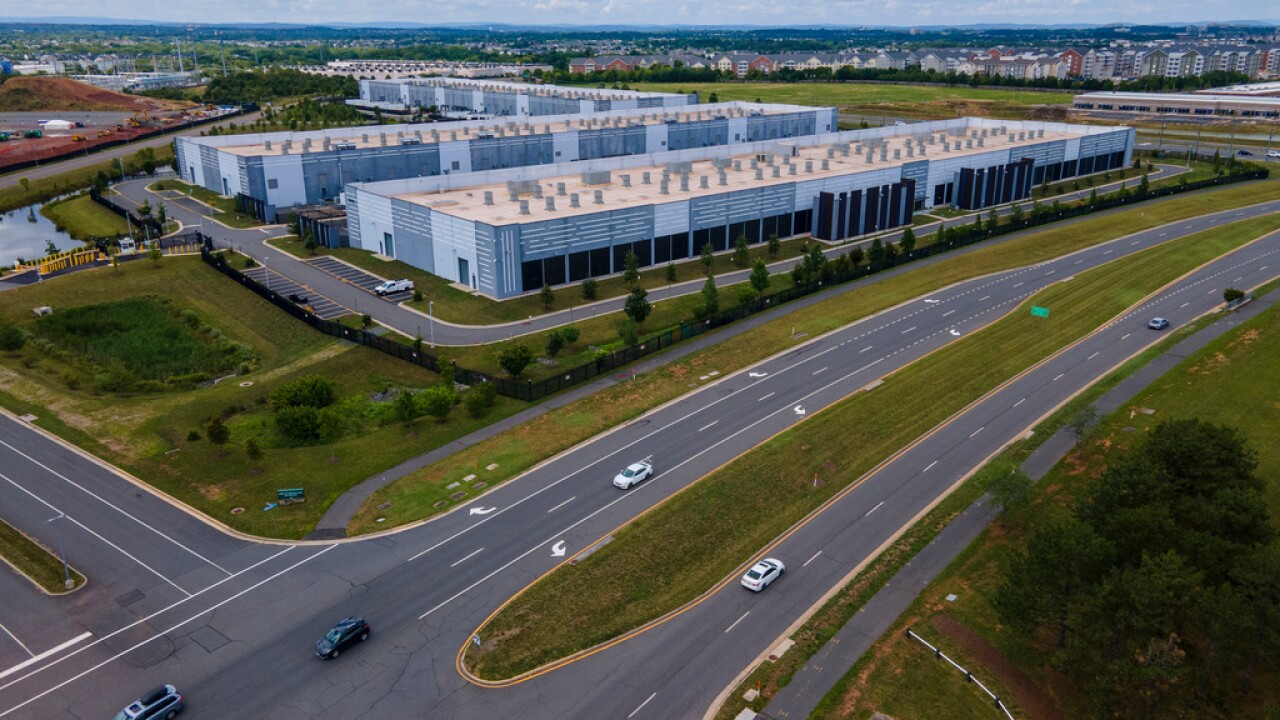
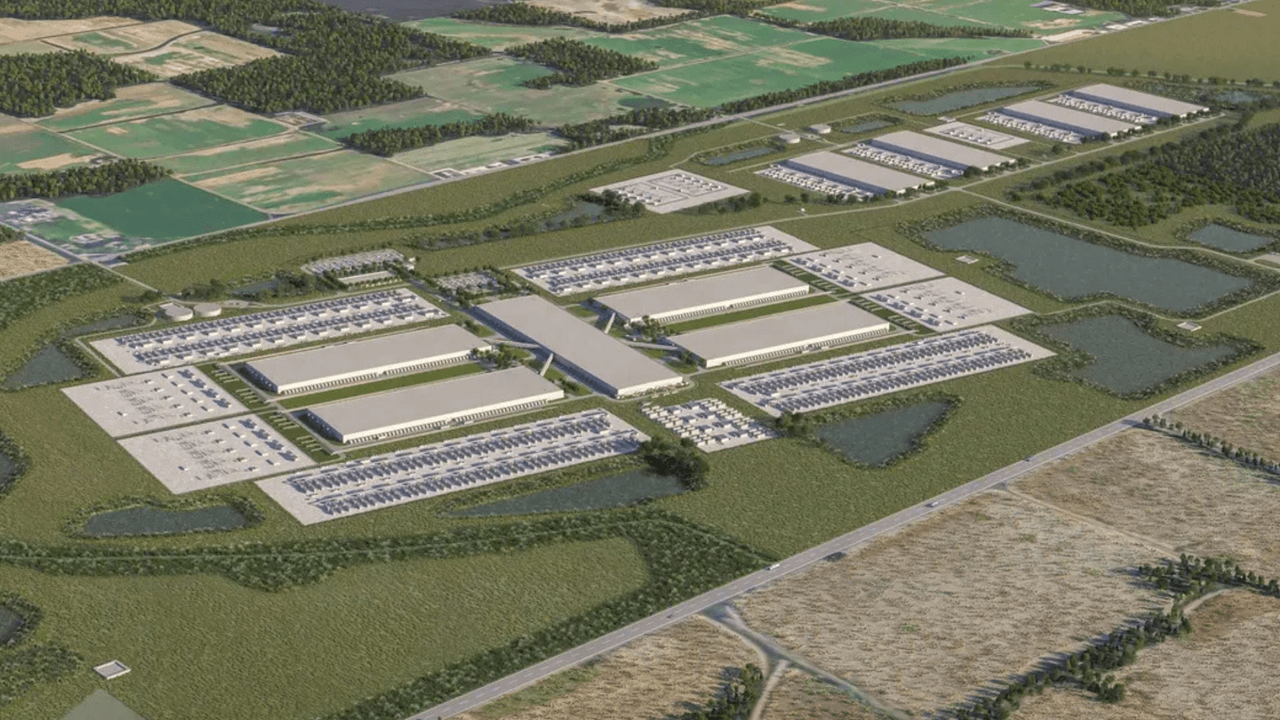
AI data center developers are increasingly building on unincorporated rural land to bypass city council approvals, rezoning votes, and land-use reviews, according to a Tom's Hardware report. These sites offer larger parcels and reduce public scrutiny, but the strategy is shifting infrastructure costs to distant ratepayers.
Maryland's Office of People's Counsel (OPC) filed a complaint with the Federal Energy Regulatory Commission (FERC) arguing that PJM Interconnection's cost allocation rules unlawfully burden Maryland customers. "Of $22 billion in transmission project costs advanced over the last three years through PJM's competitive regional transmission procurement windows, PJM's rules for allocating these costs have unlawfully assigned Maryland customers responsibility for $2 billion in capital expenditures," the complaint states. Maryland ratepayers face $1.6 billion in higher bills over the next decade.
"Maryland customers have neither caused the need for these billions in new transmission projects nor will they meaningfully benefit from them," said Maryland People's Counsel David S. Lapp in a statement.
Data centers also face growing complaints about infrasound—noise that does not register on decibel meters but irritates neighboring communities, per a separate Tom's Hardware report. Meanwhile, global datacenter capital expenditure reaches $250-300 billion annually, equivalent to 5-7 Manhattan Projects per year, according to prior reporting.
The unique take: Rural data center siting is not just a land play—it's a regulatory arbitrage that externalizes grid costs to communities far from the facilities. This FERC complaint is the first major challenge to PJM's cost allocation for AI-driven transmission buildout.
Key Takeaways
- Maryland ratepayers face $2B in grid costs for out-of-state AI data centers built on rural land to bypass city bans.
- FERC complaint challenges PJM cost allocation.
What to watch
FERC's ruling on the OPC complaint, expected within 6-12 months. If FERC forces PJM to revise cost allocation, it could trigger similar challenges in other PJM states (Virginia, Ohio) and reshape the economics of rural data center siting. Watch for PJM's next transmission auction results in Q3 2026.
[Updated 12 May via tomshardware]
A separate $1 billion Microsoft AI data center project in Kenya's Olkaria region has stalled over power capacity disagreements, with the government warning it would require switching off 'half the country' to meet demands. The geothermal-powered facility highlights how grid constraints are not unique to the U.S. — rural siting strategies face similar infrastructure hurdles globally [per Tom's Hardware].