Key Takeaways
- China's backdoor alert on Claude Code highlights the need for developers to audit tool permissions and stay patched.
- No immediate risk for most users.
What Changed — The Security Alert
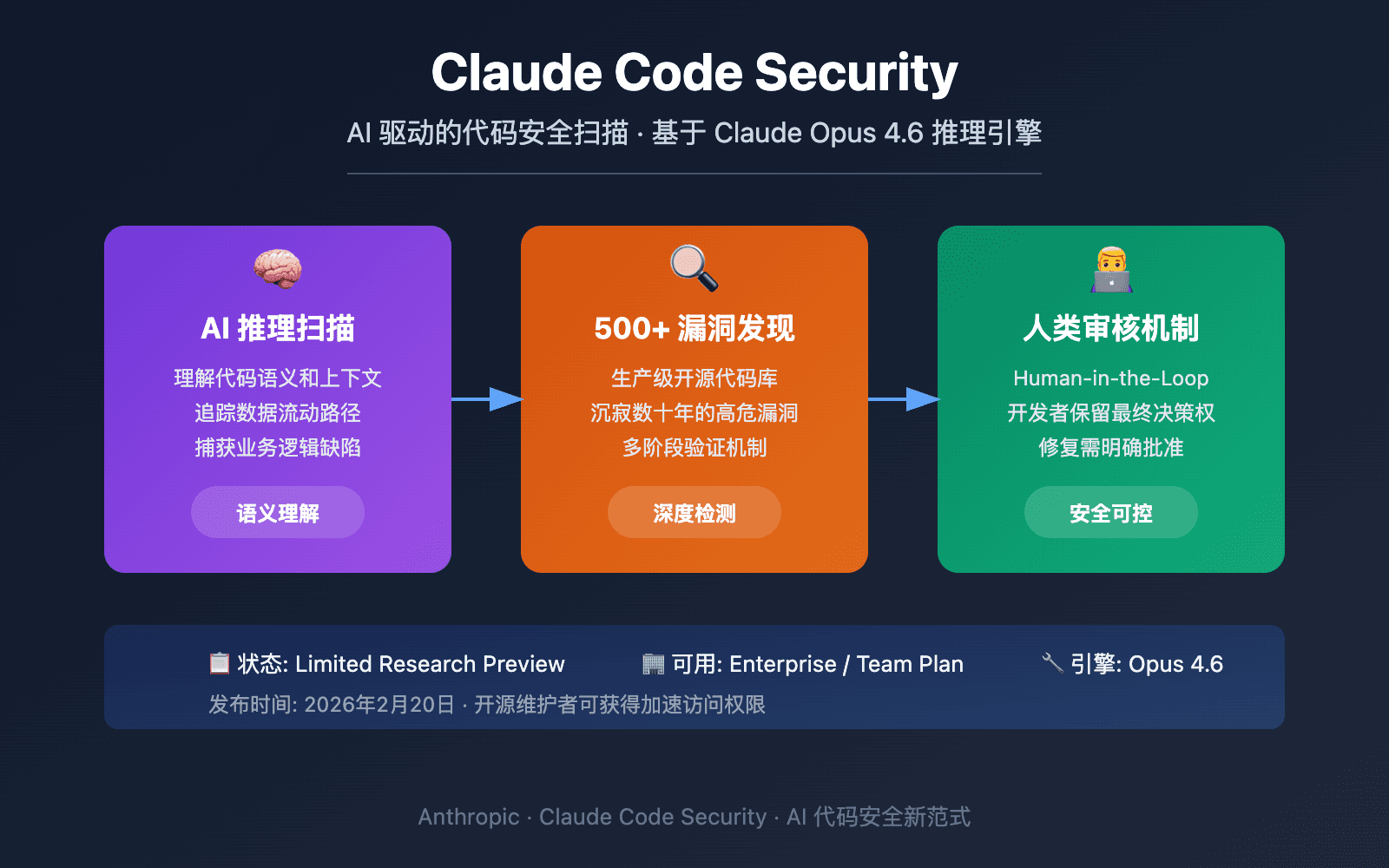
On July 8, 2026, China's cybersecurity agency issued a public warning about security vulnerabilities in Anthropic's Claude Code, specifically labeling them as potential "backdoor" risks. The Wall Street Journal, Reuters, and CNBC all covered the announcement, which has sparked debate in developer communities.
The exact technical details of the claimed vulnerabilities haven't been fully disclosed, but the core concern revolves around Claude Code's ability to execute code, access file systems, and interact with external tools — capabilities that make it powerful but also create attack surfaces.
What It Means For You — Concrete Impact on Daily Claude Code Usage
For most developers using Claude Code in their daily workflow, this doesn't mean you need to stop using it. But it does mean you should:
Review your CLAUDE.md permissions — Ensure you're not granting unnecessary file system or execution access. Be explicit about which directories and commands Claude Code can touch.
Audit your MCP server configurations — If you're running custom MCP servers, verify they don't expose sensitive endpoints or allow arbitrary command execution.
Keep Claude Code updated — Anthropic will likely release patches. Run
claude code updateto stay current.Use sandboxed environments — For sensitive projects, run Claude Code in a Docker container or isolated environment.
Try It Now — Security Hardening Steps
1. Lock down your CLAUDE.md
# In your CLAUDE.md, be explicit:
Allowed directories: ./src, ./tests, ./docs
Blocked directories: ./secrets, ./config/production
No network access to internal APIs without explicit approval
2. Run Claude Code in a sandbox
# Quick Docker sandbox
docker run -it --rm \
  -v $(pwd)/src:/workspace/src \
  -v $(pwd)/tests:/workspace/tests \
  -e ANTHROPIC_API_KEY \
  node:20 bash -c "npm install -g @anthropic-ai/claude-code && claude code"
3. Audit your MCP tools
Run this checklist:
- Does any MCP tool execute shell commands? If so, limit arguments.
- Does any MCP tool access file system outside project root?
- Are MCP tools pulling from untrusted registries?
The Bottom Line
China's warning is geopolitical context meeting technical reality. Claude Code, like any AI coding tool with execution capabilities, has inherent risks. The key is informed usage, not panic. Most developers can continue using Claude Code safely by following basic security hygiene.
Source: news.google.com
[Updated 08 Jul via reddit_claude]
A senior developer reported that Anthropic silently enrolled their Claude Code install in an A/B experiment mid-session, inserting an enrollment token into local config and attaching it as an x-cc-atis header to API requests. When Opus 4.8 sees the token, the API strips thinking text from responses while keeping the signed block. The user also found that the Claude Code updater ran and switched binaries despite "autoUpdates": false being set [per Reddit]. The issue is documented on GitHub.