What Changed — The specific update
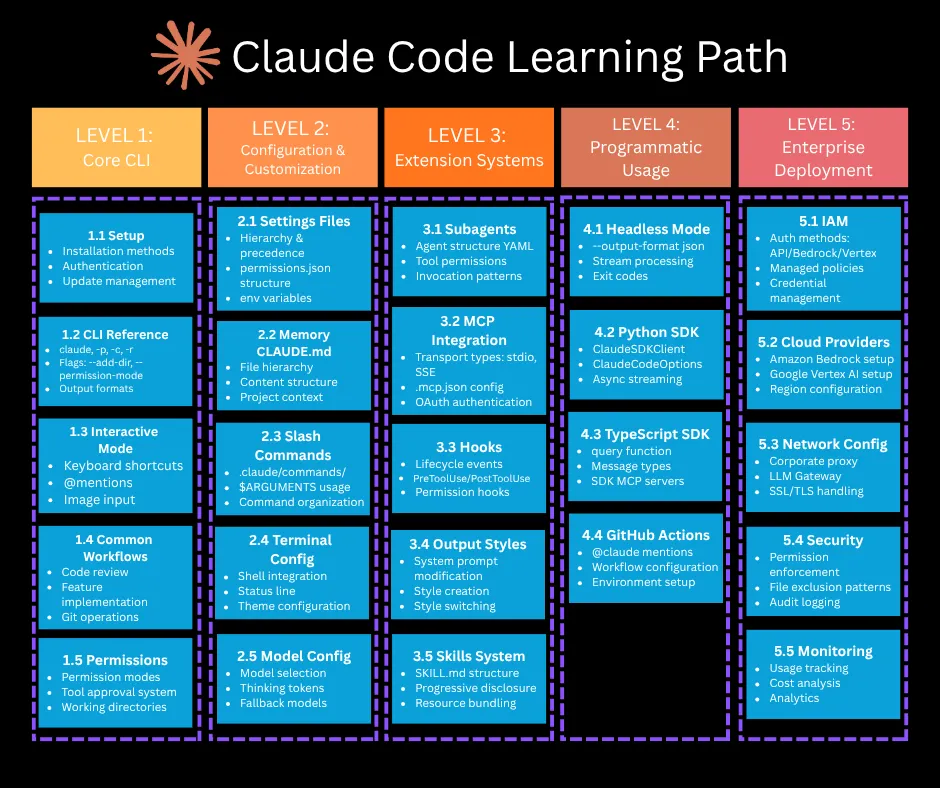
Anthropic has launched Routines in Claude Code, currently in research preview. This is a significant expansion of the /schedule CLI command that transforms one-off scheduled tasks into a full automation platform. Routines combine three elements:
- A prompt (what you want Claude to do)
- A repository (the code Claude works with)
- Connectors (how Claude gets data and delivers results)
Routines can be triggered in three ways:
- On a schedule (daily, weekly, hourly)
- Via API call (each routine gets its own endpoint)
- From GitHub webhooks (respond to PRs, pushes, issues)
Critically, routines run on Anthropic's web infrastructure—not your local machine. This means you can set up a daily code review or deployment automation and walk away without keeping your laptop running.
What It Means For You — Concrete impact on daily Claude Code usage
If you've been using /schedule in the CLI, those are now routines automatically—no migration needed. But the real power comes from the new triggers:
API endpoints for every routine means you can point internal tools, monitoring alerts, or deployment pipelines directly at Claude. Need Claude to analyze error logs when an alert fires? Create a routine and call its endpoint.
GitHub webhook integration is particularly powerful for development workflows. You can configure Claude to:
- Review every PR automatically
- Generate changelog entries on push
- Comment on issues with suggested fixes
- Validate code against your team's standards
Each webhook-triggered routine runs as a separate session, so PR reviews stay isolated and context doesn't bleed between tasks.
How To Set Up Your First Routine
From the Web Interface
- Go to code.claude.com and navigate to the Routines section
- Click "Create Routine"
- Configure:
- Name and description (e.g., "Daily Dependency Audit")
- Repository (select from your connected repos)
- Prompt (what Claude should do each run)
- Trigger (schedule, API, or webhook)
- Output destination (where results go)
From the CLI (for scheduled routines)
If you're already using /schedule, your existing commands work exactly the same:
claude code schedule --repo my-project --prompt "Review new commits for security issues" --frequency daily --time "09:00"
This now creates a routine that runs daily at 9 AM on Anthropic's servers.
Creating an API-triggered Routine
After creating a routine via the web interface with "API" as the trigger type:
- You'll receive a unique endpoint URL
- Use it in your scripts:
curl -X POST https://api.claude.com/routines/YOUR_ROUTINE_ID \
  -H "Authorization: Bearer YOUR_API_KEY" \
  -H "Content-Type: application/json" \
  -d '{"additional_context": "Deployment failed at 14:30 UTC"}'
Setting Up GitHub Webhooks
- Create a routine with "GitHub Webhook" as the trigger
- Select which events trigger it (pull_request, push, issues, etc.)
- Claude Code provides a webhook URL
- Add this URL to your GitHub repository settings under "Webhooks"
Practical Examples You Can Deploy Today
1. Automated PR Review Assistant
Prompt: "Review this pull request for:
- Code quality issues
- Security vulnerabilities
- Performance implications
- Test coverage gaps
Format findings as actionable comments with code snippets."
Trigger: GitHub webhook on pull_request events
2. Daily Dependency Health Check
Prompt: "Analyze package.json/pyproject.toml/requirements.txt for:
- Outdated dependencies
- Known vulnerabilities (check against OSV database)
- Breaking changes in upcoming major versions
- Unused dependencies
Output as a markdown report."
Trigger: Schedule daily at 8 AM
3. Deployment Post-Mortem Analyzer
Prompt: "Analyze these deployment logs and error messages. Identify:
- Root cause of failure
- Timeline of events
- Suggested fixes
- Prevention strategies for next deployment"
Trigger: API endpoint called from your CI/CD pipeline on failure
4. Weekly Code Quality Dashboard
Prompt: "Generate a weekly report on:
- Code complexity trends
- Test coverage changes
- New technical debt introduced
- Top files needing refactoring
- Team velocity metrics from commit history"
Trigger: Schedule weekly on Monday at 9 AM
Limitations and Considerations
- Research preview means features may change
- Token limits apply per routine execution
- Repository access requires proper permissions
- Webhook security - validate payloads in production
- Cost - runs count against your Claude usage
Next Steps
- Start simple: Convert an existing
/scheduletask - Experiment with webhooks: Set up PR reviews for a non-critical repo
- Integrate with your stack: Connect routines to existing alerts or tools
- Monitor results: Check routine execution logs in the web interface
Routines represent Claude Code's evolution from an interactive coding assistant to an automated development platform. By moving execution to Anthropic's servers, they've removed the biggest barrier to automation: keeping your local environment running.
Resources: