A new AI-powered design and development workflow is gaining attention for its ability to streamline the process from concept to production code. The system, which combines Anthropic's Claude Code with the Stitch design system, is being described by early users as a potential paradigm shift, with one prominent AI commentator declaring it "the greatest AI design system I've ever used" and suggesting it could challenge established tools like Figma.
What Happened
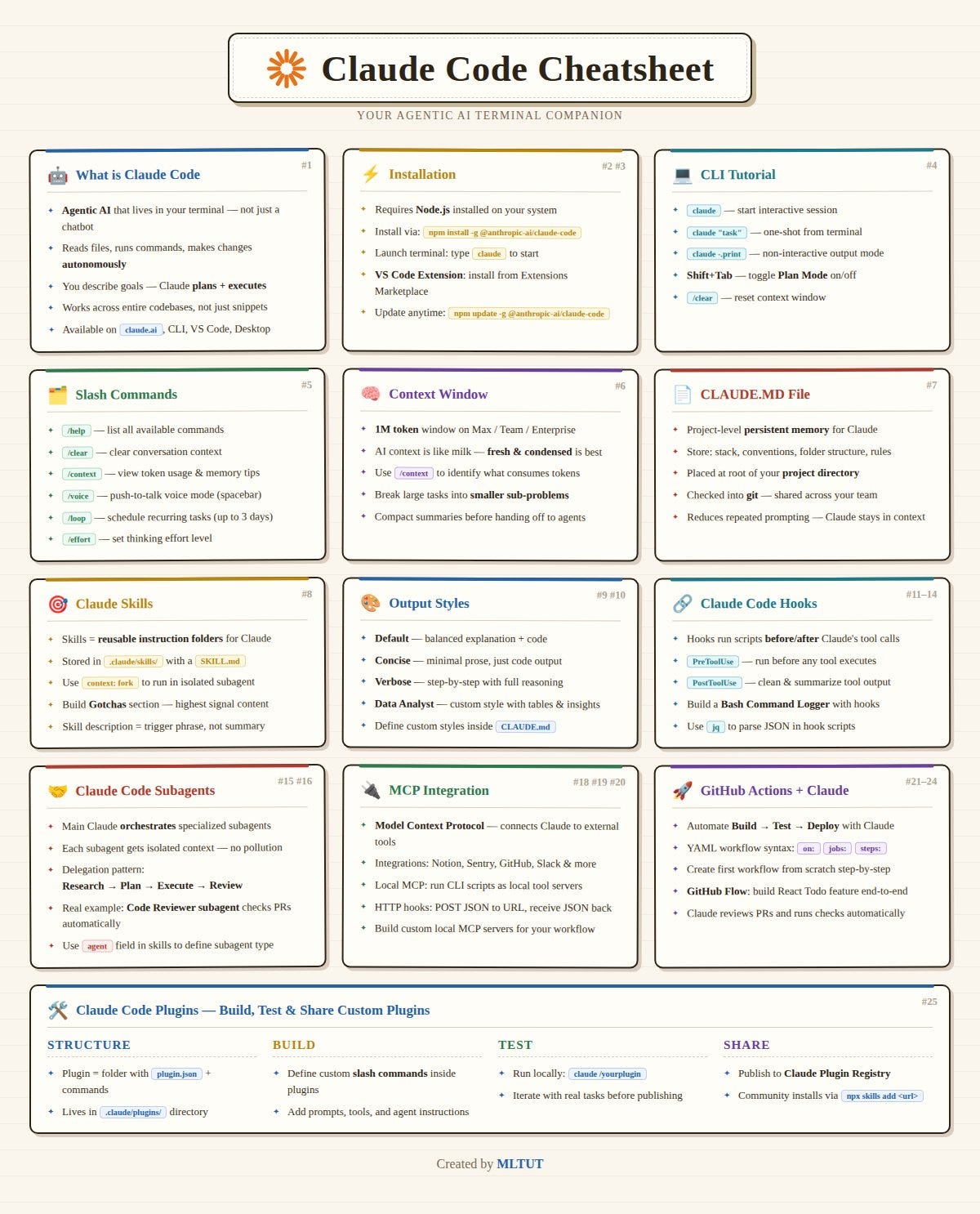
The workflow centers on using Claude Code—Anthropic's coding-focused AI model—in conjunction with Stitch, a comprehensive design system that provides structured components, tokens, and patterns. Unlike traditional design tools that create static mockups requiring manual translation to code, this AI-native approach allows designers and developers to describe interfaces in natural language or work with visual components, which Claude Code then converts directly into functional, production-ready code that adheres to the Stitch system's standards.
The key innovation appears to be the tight integration between a robust, opinionated design system (Stitch) and a powerful, context-aware code generation model (Claude Code). This combination ensures that the AI doesn't just generate generic HTML/CSS/JavaScript, but produces code that follows specific design principles, uses established component libraries, and maintains consistency across an entire application.
How the Workflow Functions
While specific implementation details aren't fully documented in the source material, the workflow likely follows this pattern:
Design Specification: A designer or developer provides input—this could be a natural language description ("a dashboard with a sidebar navigation, main content area with data cards, and a top header"), a rough sketch, or selections from the Stitch component library.
AI-Powered Code Generation: Claude Code, with knowledge of the Stitch design system's components, tokens (colors, spacing, typography), and patterns, generates the corresponding front-end code. This isn't just prototyping code but production-quality React, Vue, or other framework components that use the actual Stitch implementation.
Iteration and Refinement: The human can then request modifications through natural language ("make the sidebar collapsible" or "use the primary color token for the header"), and Claude Code updates the code accordingly while maintaining system consistency.
This creates a significantly faster feedback loop compared to traditional workflows where designers create mockups in Figma, developers inspect those designs, then manually implement them—a process prone to interpretation errors and consistency drift.
Context: The Evolving Design Tool Landscape
Figma has dominated the UI/UX design space for years, particularly after its $20 billion acquisition by Adobe (which ultimately fell through due to regulatory concerns). Figma's strength has been collaborative design, prototyping, and design system management. However, the transition from Figma designs to actual code has remained a persistent friction point, with various plugins and tools attempting to bridge this "design-to-code" gap with limited success.
The emergence of capable AI coding assistants like Claude Code, GitHub Copilot, and Cursor has changed the equation. These tools understand code context and patterns at a level that makes generating entire UI components feasible. When paired with a well-structured design system like Stitch, the AI has clear constraints and patterns to follow, reducing the "blank page" problem and increasing output quality.
Potential Implications
If this workflow proves effective at scale, it could represent a shift toward more code-centric design processes where the final output isn't a mockup but actual implementation. This aligns with recent movements in design engineering and the concept of "design as code."
For development teams, the potential benefits include:
- Reduced translation loss: What's designed is what gets built, without manual reinterpretation
- Faster iteration: Changes can be made through natural language and immediately reflected in code
- System consistency: AI enforcement of design tokens and component usage
- Smaller handoff overhead: Less time spent on design specs, redlines, and implementation reviews
However, this approach also raises questions about the role of visual design tools, the need for pixel-perfect mockups before implementation begins, and how non-technical designers would interact with such a code-focused workflow.
Limitations and Unknowns
The source material comes from enthusiastic early adoption rather than comprehensive analysis. Several important questions remain unanswered:
- How does this workflow handle highly custom, novel UI elements not in the Stitch system?
- What's the learning curve for designers unfamiliar with code or developers unfamiliar with design systems?
- How does it compare to other AI-powered design tools like Galileo AI, Uizard, or Figma's own AI features?
- What are the specific integration points between Claude Code and Stitch? Is this a formal integration or a workflow pattern developed by users?
gentic.news Analysis
This development represents more than just another AI design tool—it signals a fundamental rethinking of the design-development workflow itself. For years, the industry has accepted a bifurcated process: designers work in visual tools (Sketch, then Figma), then hand off to engineers who reimplement everything in code. Each translation—from idea to mockup, from mockup to code—introduces fidelity loss, interpretation errors, and time delays.
The Claude Code + Stitch workflow challenges this separation by making the design system the source of truth and the code the primary artifact. This is philosophically aligned with the design tokens movement and tools like Storybook, but with AI as the bridge that makes the workflow practical rather than theoretical.
Practically, this approach will likely find its strongest adoption in product teams building complex applications with established design systems—exactly the context where maintaining consistency across hundreds of components and screens is both critical and burdensome. The AI doesn't just generate code; it generates correct system-compliant code, which is orders of magnitude more valuable.
However, we should be cautious about declaring "RIP Figma" prematurely. Figma has evolved beyond mere mockup creation into a collaborative platform for design process, prototyping, user testing, and design system management. The visual canvas and immediate feedback of tools like Figma remain valuable for exploration, iteration, and communication with non-technical stakeholders. The most likely future is hybrid: teams using visual tools for exploration and conceptual work, then switching to AI-assisted code generation for implementation of approved designs.
What's particularly interesting is that this isn't a new product launch but an emergent workflow combining existing tools (Claude Code) with established systems (Stitch). This pattern—where practitioners discover powerful combinations that the original tool creators didn't fully anticipate—is becoming increasingly common in the AI ecosystem. It suggests that the most impactful AI applications may not be monolithic platforms but interoperable tools that skilled practitioners can combine in novel ways.
Frequently Asked Questions
What is Claude Code?
Claude Code is a variant of Anthropic's Claude AI model specifically optimized for coding tasks. It understands multiple programming languages, can generate, explain, debug, and refactor code, and maintains context about codebases and projects. Unlike general-purpose AI assistants, Claude Code is fine-tuned on code-specific data and trained to produce reliable, production-ready code.
What is the Stitch design system?
Stitch is a comprehensive design system that provides reusable components, design tokens (for colors, typography, spacing, etc.), and patterns for building consistent user interfaces. Like other design systems (such as Material Design or Ant Design), it establishes standards and building blocks so teams don't have to reinvent common UI elements. Stitch appears to be particularly well-structured for AI interpretation and code generation.
How does this compare to Figma's AI features?
Figma has introduced AI capabilities for tasks like generating UI mockups from text prompts, auto-naming layers, and suggesting design variations. However, Figma's AI primarily operates within the visual design environment. The Claude Code + Stitch workflow differs by focusing on the code implementation rather than the visual mockup, potentially skipping the mockup phase entirely for approved patterns. It's a complementary rather than directly competitive approach—Figma for exploration and communication, AI code generation for implementation.
Can non-coders use this Claude Code + Stitch workflow?
The current workflow likely requires some technical understanding since it involves working with code generation. However, as these tools evolve, we may see more accessible interfaces that allow designers to work visually while the system handles the code generation transparently. The ideal future tool would support both modes: visual design for those who prefer it and direct code generation for those comfortable with it, with perfect synchronization between the two representations.