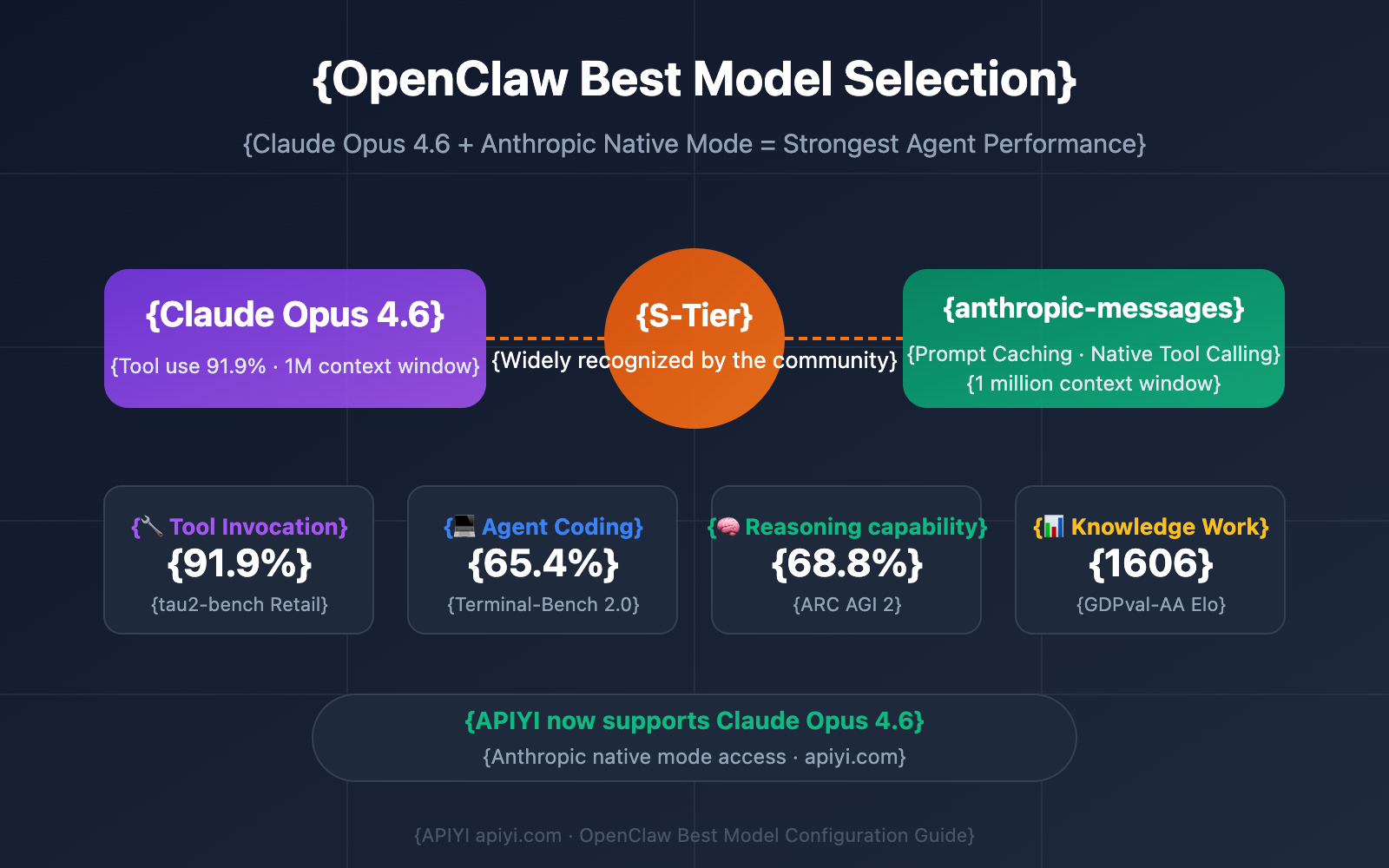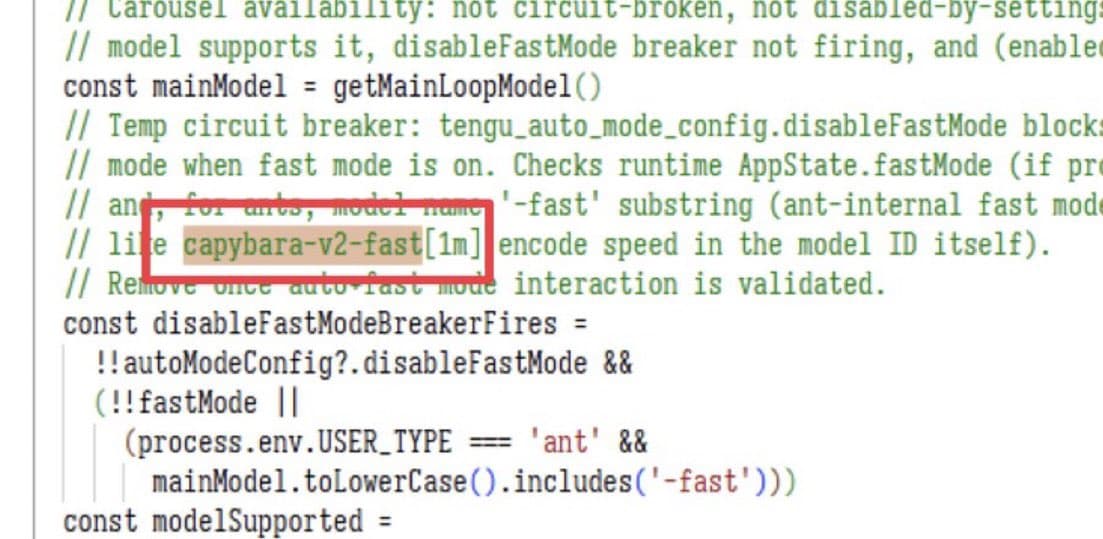
A new model identifier, Claude Opus 4.7, has been registered on Anthropic's internal API, according to a post by AI observer account @intheworldofai. The sighting, originally reported by user @White1637402, indicates that Anthropic is preparing a new version of its most capable model.
The source speculates that the appearance of this internal listing could be a precursor to a public release, suggesting that "the new model is around the corner." This follows the standard industry practice where models are tested and versioned internally before being made available via public APIs.
Key Takeaways
- A new model identifier, 'Claude Opus 4.7', has been spotted on Anthropic's internal API.
- This suggests a forthcoming update to the flagship Opus line, potentially a minor version bump ahead of a larger release.
What Happened
The core event is straightforward: a previously unseen model name, claude-opus-4.7, was listed within Anthropic's internal API systems. This was captured and shared online. No performance details, release notes, or feature changes were disclosed alongside the identifier.
Context
Anthropic's Claude model family uses a versioning scheme where "Opus" denotes the most powerful tier. The current publicly available flagship is Claude 3 Opus. The jump to a 4.7 version number is notable. It could represent a significant underlying architectural update (a move from the "3" to "4" series) or it could be an internal developmental versioning that doesn't directly correlate to a public "Claude 4" branding.
This sighting follows a period of intense competition in the frontier model space. In recent months, competitors like OpenAI's o1 series, Google's Gemini 2.0, and xAI's Grok-3 have pushed the boundaries on reasoning and coding benchmarks. Anthropic has been relatively quiet on major new model releases since the Claude 3 family launch in early 2024, focusing instead on iterative improvements, safety research, and context window extensions.
gentic.news Analysis
This API listing is a classic breadcrumb in the AI development cycle. While it confirms active development, it reveals nothing about the model's capabilities. The version number 4.7 is the key detail for speculation. It strongly suggests this is not a minor patch to Claude 3 Opus (which would likely be 3.6 or 3.7), but a step-function in the internal lineage. However, whether this translates to a public "Claude 4" announcement or is rolled out as a more modest "Claude 3.5 Opus" remains to be seen.
Anthropic's strategy has emphasized cautious, safety-aligned deployment. A jump to a "4.x" series would indicate confidence in a substantial performance and safety improvement over Claude 3 Opus, which itself was a major leap. The timing is critical. With OpenAI's o1 models setting a new bar for chain-of-thought reasoning and Google advancing its Gemini ecosystem, Anthropic is under pressure to refresh its top-tier offering. This internal listing suggests they are on the cusp of doing so.
Looking at the competitive timeline, this move aligns with the industry's accelerated release cadence. We are now in an era where major labs are aiming for significant model updates multiple times per year, not every 12-18 months. If Opus 4.7 is nearing internal completion, a public announcement or limited preview could be weeks, not months, away. Practitioners building on the Claude API should monitor for official communications, as a new Opus model could offer meaningful improvements in complex task handling, instruction following, and cost-performance ratios.
Frequently Asked Questions
What is Claude Opus 4.7?
Claude Opus 4.7 is an internal model identifier that has appeared on Anthropic's developer API systems. It signifies a new, unreleased version of Anthropic's most powerful AI model, likely representing a significant update from the current Claude 3 Opus.
When will Claude Opus 4.7 be released?
There is no official release date. The appearance on the internal API suggests the model is in late-stage testing, which often precedes a public release by a few weeks to a couple of months. However, Anthropic has not made any announcement.
How will Claude Opus 4.7 differ from Claude 3 Opus?
No technical details are available. Based on the version number jump, we can speculate it may include improvements in reasoning, knowledge, coding, and safety. The scale of improvement won't be known until Anthropic publishes benchmarks and release notes.
Should I wait for Opus 4.7 before starting a new project?
For most production applications, building on the stable, publicly available Claude 3 Opus (or the cost-effective Claude 3.5 Sonnet) is the prudent choice. You can architect your system to be model-agnostic, allowing for a future upgrade to a more capable model like Opus 4.7 when it is fully released, documented, and priced.