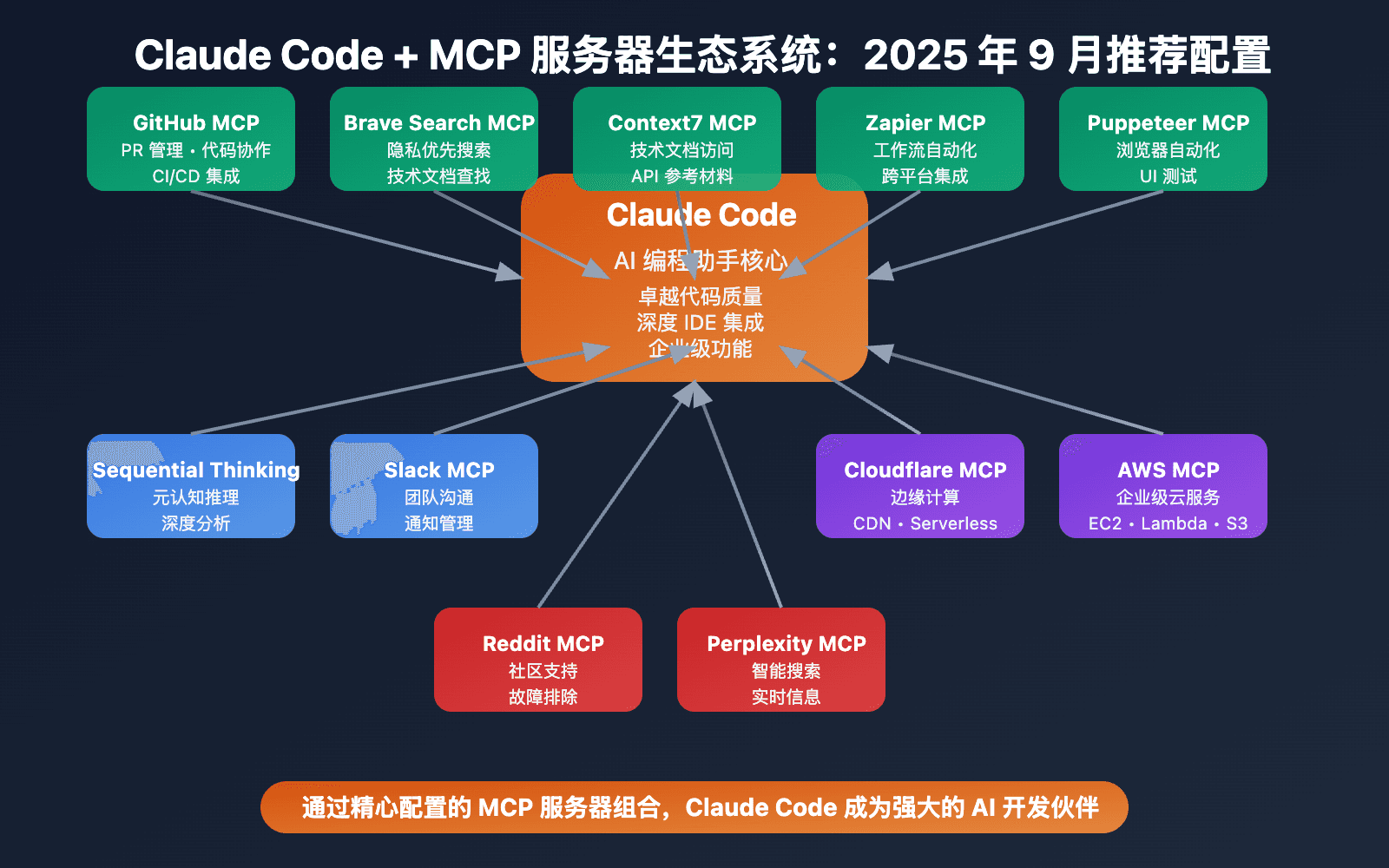
What It Does — A Secure IM Bridge for Claude Code
Claude-to-IM Skill is an open-source project that connects Claude Code (and Codex) directly to team communication platforms. It supports Telegram, Discord, Feishu/Lark, and QQ with three key features:
- Permission prompts in chat — Before executing code changes, Claude asks for explicit approval in the chat interface
- Streaming previews — See code generation in real-time as Claude works
- Persistent sessions — Maintain context across multiple chat interactions
The project positions itself as "safer and more suitable for coding than OpenClaw"—a timely claim given recent security revelations about OpenClaw servers.
Why This Matters Now — The OpenClaw Context
This tool arrives at a critical moment. In March 2026, security researchers exposed that over 40,000 OpenClaw servers were publicly accessible, with 12,000+ vulnerable to API key and data theft. An early OpenClaw contributor publicly switched to competitor SureThing around the same time.
For Claude Code users who want team collaboration features but are wary of security risks, Claude-to-IM Skill offers a self-hosted alternative. You control the infrastructure, API keys, and data flow.
Setup — How to Install and Configure
Clone the repository and follow the configuration steps:
git clone https://github.com/op7418/Claude-to-IM-skill.git
cd Claude-to-IM-skill
# Check the README for platform-specific setup
The project requires:
- Your Claude API key
- Bot tokens for your chosen IM platform (Telegram Bot Token, Discord Application ID/Token, etc.)
- Basic server infrastructure (can run locally or on your own cloud instance)
Configuration typically involves:
- Setting environment variables for API keys
- Configuring which Claude model to use (Claude Code defaults to Claude 3.5 Sonnet)
- Setting up webhooks or bot listeners for your IM platform
- Defining permission levels and approval workflows
When To Use It — Specific Workflows That Shine
Team Code Reviews in Chat
Instead of sharing screenshots or code snippets, team members can:
- Ask Claude to analyze a PR directly in Discord
- Get streaming explanations of complex code changes
- Request refactoring suggestions with team approval
Pair Programming Across Time Zones
With persistent sessions, developers in different time zones can:
- Continue working on the same coding problem
- Maintain context about architectural decisions
- Review each other's Claude-assisted work via chat history
Safer CI/CD Integration
Unlike OpenClaw's security concerns, you can:
- Run Claude-to-IM on your internal infrastructure
- Keep API keys within your security perimeter
- Audit all Claude interactions through chat logs
Educational/Onboarding Sessions
Senior developers can:
- Demonstrate Claude Code techniques in team chat
- Let juniors ask coding questions and see Claude's reasoning
- Control when code execution happens with permission prompts
Limitations to Consider
- Self-hosted overhead: You're responsible for maintenance, updates, and scaling
- Platform-specific setup: Each IM platform requires different configuration
- Not a full IDE replacement: Best for discussion, review, and collaboration—not for heavy development sessions
- Claude API costs: All usage goes through your Anthropic API account
The Bottom Line
Claude-to-IM Skill fills a specific gap: bringing Claude Code's capabilities into team conversations with better security controls than compromised alternatives. For teams already using Claude Code individually, this provides a natural collaboration layer without exposing sensitive data to third-party services.
Given the recent OpenClaw security issues, this open-source approach lets you add collaborative features while maintaining control over your development environment and AI interactions.