.png&w=1920&q=75)
Key Takeaways
- Computer vision deployments in retail are driving productivity gains by automating inventory, checkout, and loss prevention.
- AI News reports that retailers using these systems see measurable operational improvements.
- The technology leverages vision transformers and cloud platforms like Google Cloud.
What Happened
Computer vision deployments are delivering measurable productivity gains in retail, according to a report from AI News. Retailers are increasingly adopting vision-based AI systems to automate inventory management, enable cashierless checkout, and reduce theft — all of which contribute to streamlined operations and lower costs.
The report highlights that these systems process real-time video feeds from store cameras using advanced computer vision models, including Vision Transformers (ViTs). Cloud platforms like Google Cloud’s Vertex AI provide the scalable infrastructure needed to train and deploy these models at scale.
Technical Details
Modern retail computer vision systems rely on a combination of:
- Vision Transformers (ViTs): These models, developed by Google and others, process images as sequences of patches, enabling more accurate object detection and classification than traditional convolutional neural networks (CNNs).
- Edge computing: Many deployments run inference on edge devices within stores to reduce latency and bandwidth costs.
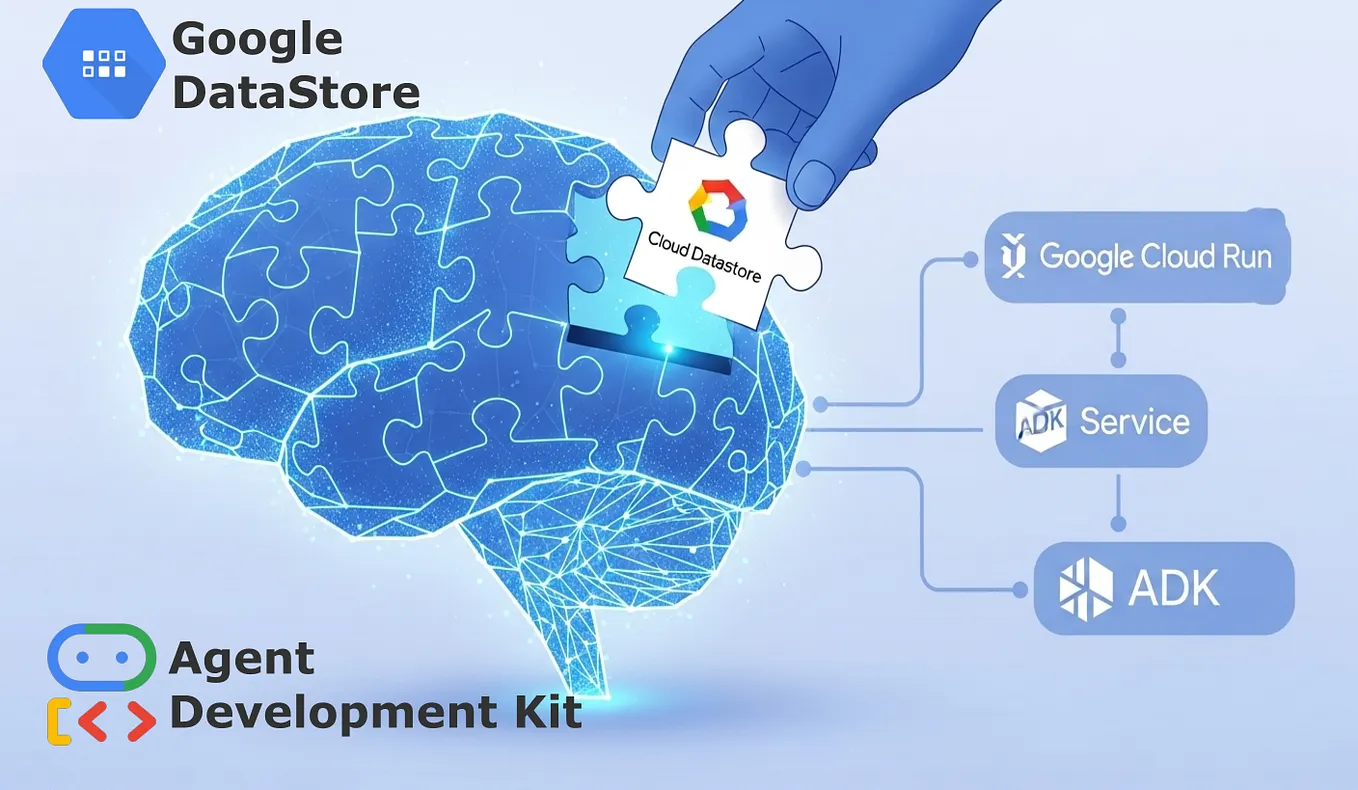
- Cloud AI platforms: Google Cloud Vertex AI offers pre-built models and custom training pipelines for retail-specific tasks like shelf monitoring and checkout verification.
The report notes that these systems are becoming more cost-effective as hardware costs decline and model efficiency improves.
Retail & Luxury Implications
For retailers and luxury brands, computer vision deployments offer several concrete use cases:
Inventory Management: Vision systems can automatically scan shelves to detect out-of-stock items, misplaced products, and pricing errors. This reduces manual labor and improves shelf availability — a critical metric for both mass-market retailers and luxury boutiques where product presentation is paramount.
Cashierless Checkout: Amazon Go-style checkout is becoming more accessible. Brands like Nike and Burberry could deploy similar systems in flagship stores to reduce friction while maintaining a premium experience.
Loss Prevention: Computer vision can identify suspicious behavior in real time, reducing shrinkage without invasive measures. For luxury retailers, this means protecting high-value items without compromising the shopping experience.
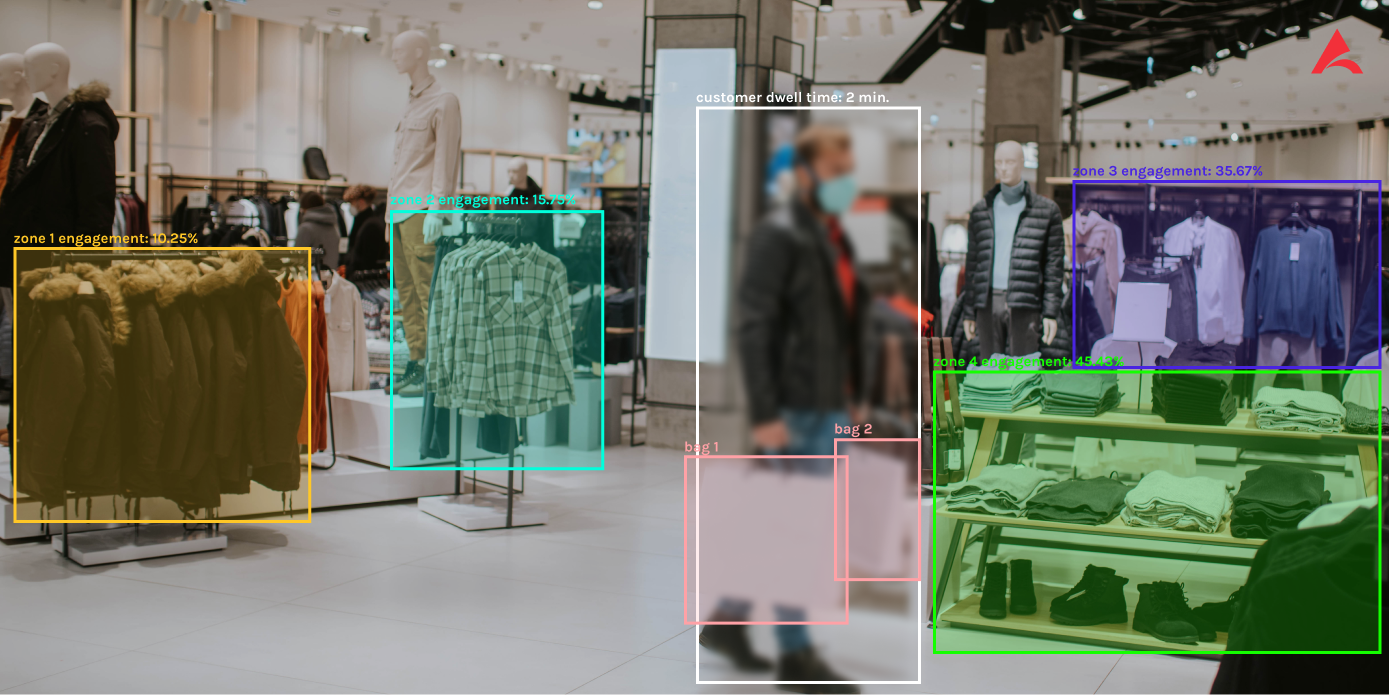
Customer Analytics: Heatmaps and dwell-time analysis help retailers optimize store layouts and product placement. Luxury brands can use this data to understand which displays drive engagement.
Business Impact
The report does not provide specific ROI figures, but industry benchmarks suggest:
- 20-30% reduction in out-of-stock incidents
- 15-25% decrease in shrinkage
- 10-20% improvement in checkout throughput
- Payback periods of 12-18 months for typical deployments
For luxury retailers, the non-financial benefits — brand perception, customer experience, and data-driven decision-making — may outweigh pure cost savings.
Implementation Approach
Deploying computer vision in retail requires:
- Camera infrastructure: Upgrade to high-resolution cameras with adequate lighting
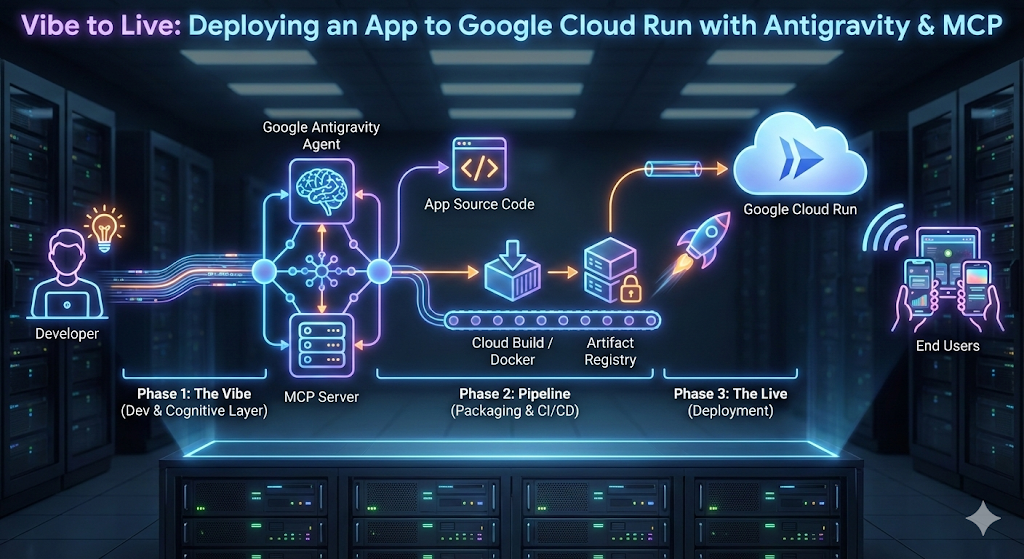
- Model selection: Choose between pre-built models (e.g., Google Cloud Vision API) or custom models using Vertex AI
- Edge vs. cloud: Determine where inference runs — edge for low latency, cloud for complex analysis
- Integration: Connect to existing POS, inventory, and CRM systems
- Compliance: Ensure GDPR/CCPA compliance for video data
Governance & Risk Assessment
- Privacy: Video surveillance raises privacy concerns. Retailers must implement anonymization and consent mechanisms.
- Bias: Models must be trained on diverse datasets to avoid demographic bias in detection.
- Maturity: Computer vision for retail is production-ready but requires careful piloting. Google Cloud’s infrastructure is mature, but custom models may need significant tuning.
gentic.news Analysis
This report aligns with broader trends in retail AI. Google’s investments in Vision Transformers and Vertex AI make it a strong partner for retailers, but competition from Amazon Web Services (AWS) and Microsoft Azure is fierce. Amazon’s Just Walk Out technology and Microsoft’s partnership with Walmart demonstrate that the market is crowded.
For luxury brands, the key challenge is maintaining exclusivity while adopting automation. Computer vision can enhance the in-store experience without feeling intrusive if deployed thoughtfully — for example, using anonymous heatmaps rather than facial recognition.
Retailers should start with a pilot in one store, measure KPIs (shelf availability, checkout time, shrinkage), and scale based on results. The technology is mature enough for production, but success depends on change management and data integration.
Source: news.google.com