Key Takeaways
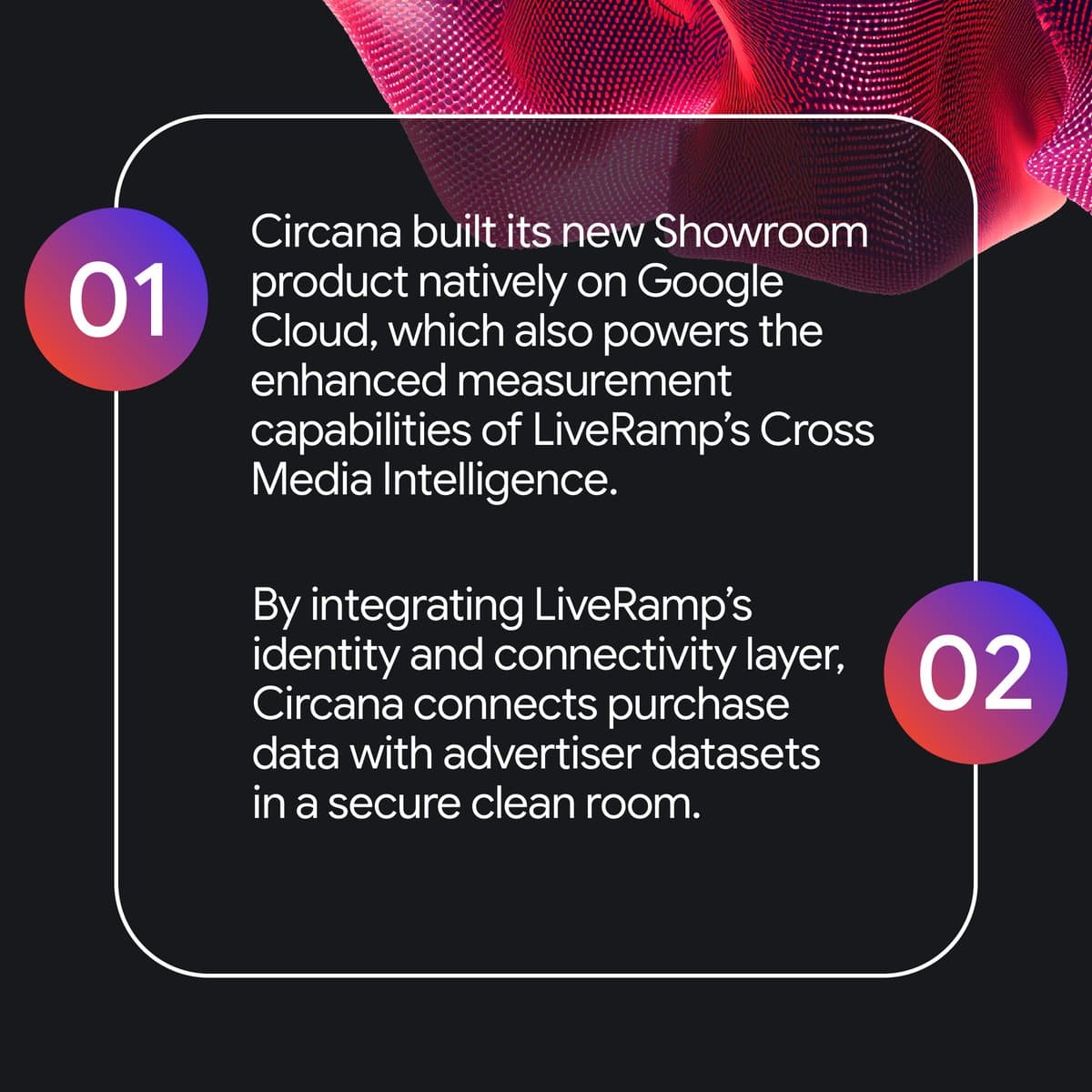
- Michaels launched 'Ask Mike,' an AI shopping assistant on Google Cloud using Gemini models.
- The tool helps customers find products and get project ideas, potentially reducing search friction in craft retail.
What Happened
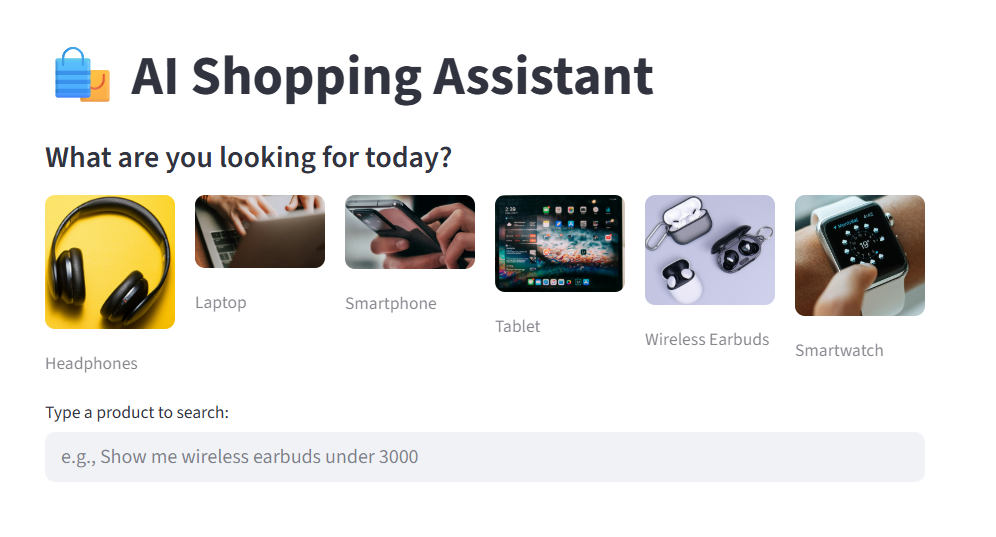
Michaels, the largest arts and crafts retailer in North America, has launched 'Ask Mike,' an AI-powered shopping assistant built on Google Cloud. The assistant, named after the company's founder Michael Dupey, uses Google Cloud's Gemini models to understand natural language queries and provide personalized product recommendations, project ideas, and supply lists.
Available on both the Michaels website and mobile app, 'Ask Mike' allows customers to describe what they want to make — for example, 'I need supplies for a kid's birthday party' — and receive curated product suggestions. The assistant can also answer questions about product availability, pricing, and store locations.
Technical Details
'Ask Mike' is powered by Google Cloud's Vertex AI platform and leverages Gemini models for natural language understanding and generation. The system uses retrieval-augmented generation (RAG) to pull product information from Michaels' catalog, ensuring responses are accurate and up-to-date.
The assistant is designed to handle the complexity of craft and home decor queries, where customers often describe projects rather than specific products. For example, a query like 'I want to make a macrame plant hanger' requires the system to understand the project type, needed materials, and available products — a task that traditional keyword search struggles with.
Retail & Luxury Implications
For retailers, especially those in categories with high product complexity like craft, home decor, and luxury goods, 'Ask Mike' demonstrates how conversational AI can reduce search friction and improve customer experience. Key implications include:
- Natural language search: Moving beyond keyword matching to understand intent and project context.
- Personalized recommendations: Using customer queries to suggest complementary products and supplies.
- Reduced bounce rates: Customers who find what they need faster are less likely to leave the site.
- Increased basket size: Project-based recommendations naturally lead to multiple-product purchases.
However, the luxury segment faces unique challenges. Unlike craft supplies, luxury products often require subjective taste assessment, brand storytelling, and emotional resonance. 'Ask Mike' works well for functional queries ('I need acrylic paint') but may struggle with aspirational queries ('I want a handbag that makes me feel confident').
Business Impact

While Michaels has not disclosed specific metrics, the business case for AI shopping assistants is clear:
- Improved conversion rates: Reducing search friction typically increases conversion by 5–15%.
- Higher average order value: Project-based recommendations can increase basket size by 20–30%.
- Reduced customer service costs: Deflecting simple queries to the AI assistant reduces call center volume.
For context, Michaels operates over 1,200 stores and has been investing in digital transformation to compete with Amazon and other online retailers. 'Ask Mike' represents a strategic move to differentiate on customer experience.
Implementation Approach
For retailers considering similar AI assistants, the implementation involves:
- Product catalog enrichment: Structured data with attributes, categories, and relationships.
- RAG pipeline: Indexing product data for fast retrieval and grounding LLM responses.
- Conversation design: Defining user intents, fallback paths, and escalation to human agents.
- Testing and iteration: Continuous improvement based on user feedback and query logs.
Complexity is moderate — comparable to building a customer support chatbot but with tighter integration to e-commerce systems. Most implementations take 3–6 months with a dedicated team.
Governance & Risk Assessment
- Privacy: Customer queries may contain personal information. Ensure compliance with CCPA/ GDPR.
- Bias: AI recommendations should not favor high-margin products at the expense of customer satisfaction.
- Maturity: Conversational commerce is still early. Expect imperfect responses and the need for human escalation.
- Vendor lock-in: Building on Google Cloud means dependency on Gemini API pricing and availability.
gentic.news Analysis
Michaels' 'Ask Mike' is a textbook example of a low-risk, high-reward AI deployment in retail. The craft category is uniquely suited for conversational AI because customer queries are inherently project-based and multi-product. Unlike fashion or luxury, where taste is subjective, craft queries have clear right answers ('You need yarn and a crochet hook for a scarf').
However, the real test will be whether Michaels can scale this beyond simple product lookup to true creative inspiration. If 'Ask Mike' can suggest projects based on a customer's skill level, available time, and past purchases, it becomes a genuine differentiator. If it remains a fancy search bar, the novelty will wear off.
For luxury retailers, the lesson is not to copy 'Ask Mike' but to learn from its architecture. The RAG-based approach — grounding AI responses in a curated product catalog — is directly applicable. The challenge is training the AI on subjective attributes like 'elegance,' 'timelessness,' or 'craftsmanship,' which are harder to encode than 'yarn weight' or 'paint color.'
Given Google's history (506 articles in our database), this partnership leverages Google Cloud's Vertex AI and Gemini models, which are competing directly with OpenAI and Anthropic for enterprise retail customers. Michaels' choice of Google Cloud over alternatives signals a preference for tight integration with existing Google services and a bet on Gemini's multimodal capabilities for future features like image-based project recognition.
Source: news.google.com



.png)