The Innovation — What the Source Reports
An article titled "How Computer Vision Transforms Retail: 5 Real-World Applications" provides a high-level overview of established computer vision use cases within the retail sector. While the full article content is not directly accessible from the provided Google News snippet, the title and context indicate it serves as a primer on practical implementations.
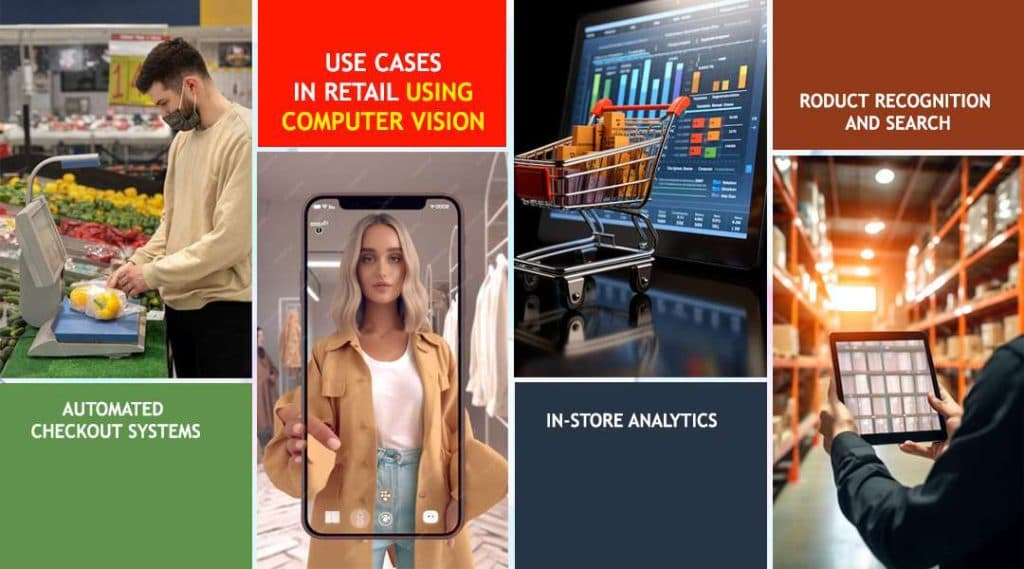
Based on common industry applications referenced in similar summaries, the five areas likely covered are:
- Inventory Management & Shelf Analytics: Using cameras to monitor stock levels, ensure planogram compliance, and identify out-of-stock items in real-time.
- Loss Prevention & Security: Deploying vision systems to detect suspicious behaviors, monitor high-theft areas, and prevent shrink.
- Customer Behavior Analytics: Analyzing in-store traffic patterns, dwell times, and demographic data (anonymously) to optimize store layout and product placement.
- Autonomous Checkout & Frictionless Stores: Enabling "just walk out" technology where cameras and sensors track items customers pick up, automating the payment process. This is directly supported by the linked article on Zippin's growth.
- Virtual Try-On & Augmented Reality: Allowing customers to visualize products (like apparel, makeup, or eyewear) on themselves using their device's camera.
The source also cross-references a separate article highlighting a "Marvellous March" for Zippin, a specialist in AI and computer vision-powered autonomous store technology. This indicates momentum in the cashier-less checkout segment, a flagship application of retail computer vision.
Why This Matters for Retail & Luxury
For luxury and premium retail, the implications extend beyond operational efficiency to touch core brand values: customer experience, exclusivity, and data-driven personalization.
- Preserving the Luxury Experience: Computer vision for inventory management means associates are never caught off-guard by an out-of-stock bestseller. Systems can alert staff discreetly, allowing them to proactively offer alternatives or arrange deliveries, maintaining a seamless service standard.
- Loss Prevention with Discretion: High-value items in luxury retail are prime targets. AI-powered vision can monitor high-risk areas without the need for overt, customer-alienating security measures, protecting margins while preserving store ambiance.
- Understanding the Client Journey: In flagship stores, understanding how clients move through space—what they stop at, what they ignore—is invaluable. Anonymized traffic analytics can inform everything from fixture placement to where to station knowledgeable staff, optimizing the conversion of footfall into meaningful engagement.
- Frictionless for the Chosen Few: While fully autonomous checkout may not suit every luxury environment (where the final transaction is part of the service), it can be revolutionary for high-traffic boutique cafes, beauty counters, or pop-up experiences where speed is valued.
- Augmenting, Not Replacing, Service: Virtual Try-On (VTO) for eyewear, watches, or makeup allows customers to experiment privately, building confidence. This can precede a consultation with a stylist, making the human interaction more productive and focused.
Business Impact
The business case is multifaceted:
- Operational Efficiency: Reduced labor costs for inventory counts, lower shrinkage rates, and optimized staff deployment.
- Revenue Growth: Increased sales through better in-stock positions, higher conversion rates from optimized store layouts, and potential for upselling via AR try-ons.
- Experience Enhancement: The intangible but critical benefit of a smoother, more personalized, and surprising customer journey that builds brand loyalty.
The mention of Zippin's successful month suggests that the market for enabling technologies is heating up, which will drive down implementation costs and increase vendor options for retailers.
Implementation Approach
Deploying these systems requires a considered strategy:
- Problem-First, Not Tech-First: Identify the specific business pain point (e.g., inventory inaccuracy, long checkout lines, poor traffic flow).
- Infrastructure Audit: Assess existing camera networks, IT infrastructure, and data connectivity. Many solutions require upgraded, IP-based camera systems.
- Pilot with Precision: Start with a single, high-impact use case in a controlled environment (one store, one department). For luxury, a pilot in a stockroom for automated inventory or at a beauty counter for VTO is often more appropriate than a full-store autonomous checkout rollout.
- Data Integration: The real power is unlocked when vision data feeds into existing systems: inventory management (ERP), customer relationship management (CRM), and point-of-sale (POS).
- Change Management: Train staff to work alongside AI tools, positioning them as enhancers of the associate's role, not replacements.
Governance & Risk Assessment
- Privacy & Ethics: This is paramount, especially in Europe under GDPR and in luxury where discretion is expected. Systems must use anonymized, aggregated data. Clear signage about camera usage is mandatory. Facial recognition for identification is a high-risk application generally unsuitable for this sector.
- Bias & Accuracy: Vision models must be trained on diverse datasets to ensure accurate performance across all customer demographics. Inaccurate shelf audits or try-on simulations could lead to poor business decisions or customer frustration.
- Maturity Level: Technologies like shelf analytics and basic traffic counting are mature. Autonomous checkout is maturing rapidly but involves significant integration. Advanced behavioral analytics and emotion detection are less mature and carry higher ethical and accuracy risks.
gentic.news Analysis
The concurrent highlight of Zippin's growth is the most actionable data point here. It signals continued investor and market confidence in the autonomous store model, a trend we've tracked closely. This isn't just about Amazon Go; it's about the technology stack becoming commoditized and available for retailers of all types to license.
For luxury brands, the direct application of a full "just walk out" store may be limited. However, the underlying technology—the ability for a camera network to accurately identify a specific handbag or pair of shoes a customer has picked up—has profound implications. Imagine a private appointment where a client's selections are automatically compiled in a digital lookbook as they browse, or a system that alerts a stylist that their VIP client has just picked up the new season's jacket they discussed. The technology pioneered by Zippin and competitors is making this granular, item-level tracking more robust and affordable.
This trend aligns with the broader industry movement towards phygital integration, where the physical and digital shopping journeys are fused by data. Computer vision is the key sensor enabling that fusion in physical space. The next evolution will be linking these in-store interaction data points with a customer's online profile (with explicit consent), creating a truly continuous commerce experience. The brands that master this, while rigorously upholding privacy and the sanctity of the in-store experience, will build a significant competitive advantage.
Key Takeaway: The article summarizes well-known applications, but the real news is in the momentum of the enabling platforms like Zippin. For luxury AI leaders, the focus should be on adapting these maturing sensing capabilities to enhance, not disrupt, the high-touch client journey.