A content creator, Jainam, has shared a specific prompting workflow for Anthropic's Claude AI model that he claims produces writing quality surpassing his own work over three years of professional content creation.
Key Takeaways
- A content creator detailed a specific 5-prompt workflow for Anthropic's Claude AI, claiming it generates superior writing to his own multi-year output.
- The method focuses on structured prompting without plugins.
What Happened
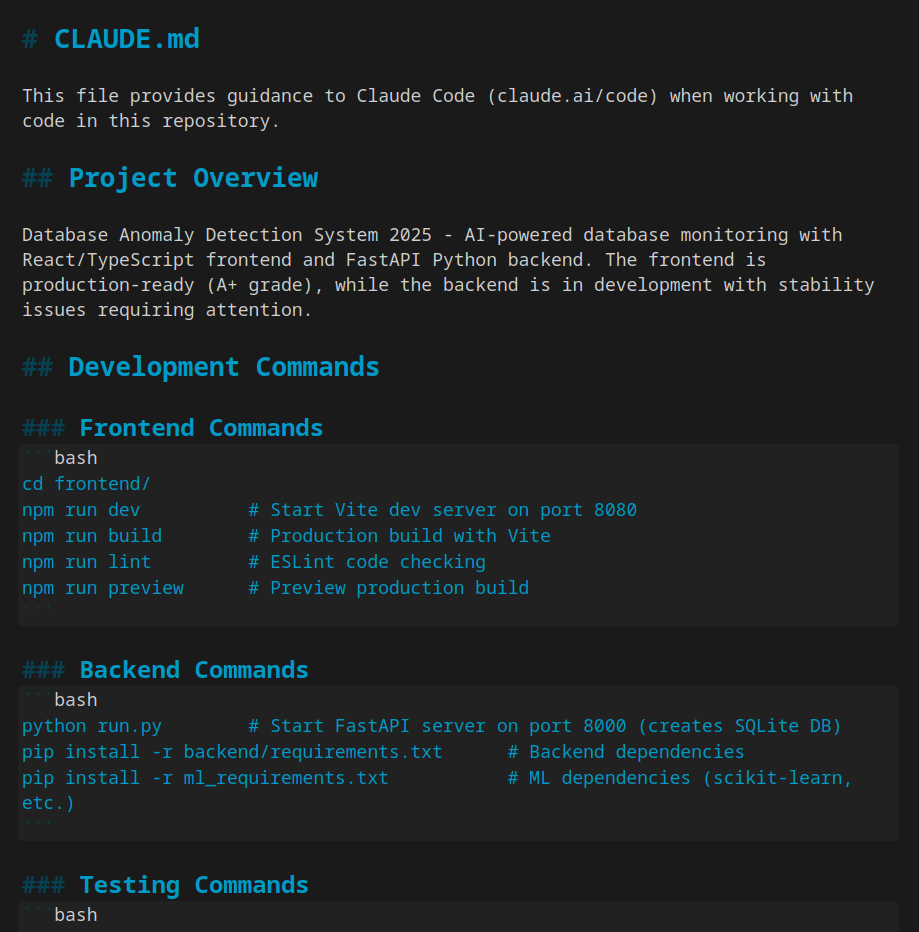
In a post on X (formerly Twitter), Jainam stated he "accidentally discovered a Claude workflow that writes better than anything I've produced in 3 years of content creation." He emphasized the method is not a plugin or a template, but rather "just 5 prompts chained in the exact right order."
He linked to a detailed breakdown of the workflow, which walks through the specific prompt sequence. The core claim is that this structured approach to prompting Claude yields output that the creator himself judges as higher quality than his own long-developed writing.
Context
This anecdote fits into the broader trend of "prompt engineering"—the practice of carefully crafting instructions to get the best results from large language models (LLMs) like Claude, GPT-4, and Gemini. While basic prompting can yield useful results, advanced users have found that multi-step, structured prompts can significantly improve output coherence, style, and depth.
Anthropic's Claude models, particularly Claude 3 Opus and Claude 3.5 Sonnet, are known for their strong performance on creative and writing tasks. This user's experience suggests that even for experienced writers, a well-designed LLM workflow can act as a powerful augmenting tool, potentially raising the baseline quality of draft content.
The Workflow's Implication
The key takeaway is not the specific prompts (which are detailed in the linked thread), but the demonstrated principle: a repeatable, systematic approach to interacting with Claude can produce consistently high-quality writing. This moves beyond trial-and-error prompting toward a more engineered, reliable process.
For technical creators and businesses, this reinforces the value of developing and documenting effective prompt chains for specific tasks—turning a generative AI from a creative toy into a scalable content production tool.
gentic.news Analysis
This user report is a data point in the ongoing validation of LLMs as professional-grade writing tools. It's significant that the comparison is made against three years of human expertise, not against other AI or novice writing. While subjective, this claim from a practitioner adds real-world weight to the benchmarks that show Claude 3.5 Sonnet leading in areas like graduate-level reasoning and creative writing.
This follows a pattern we've covered where the most impactful AI applications aren't about fully autonomous creation, but about structured human-AI collaboration. In December 2025, we analyzed how companies like Jasper and Copy.ai were pivoting from generic AI writing to offering complex, multi-step workflow templates for specific industries. Jainam's discovery is the individual creator's version of that trend: a custom, repeatable process that leverages the model's strengths consistently.
The workflow's effectiveness likely hinges on breaking down the writing task—a common prompt engineering technique. Instead of a single "write a blog post" prompt, the chain probably guides Claude through stages like research synthesis, outline generation, drafting in a specific voice, and refinement. This aligns with Anthropic's own guidance on using system prompts and chain-of-thought prompting to improve Claude's output for complex tasks.
For practitioners, the lesson is clear: investing time in designing and testing prompt sequences for your most common tasks can yield disproportionate returns in output quality. The frontier is moving from single prompts to documented workflows.
Frequently Asked Questions
What is the Claude workflow mentioned?
The workflow is a sequence of five specific prompts chained together to guide Anthropic's Claude AI through a structured writing process. The exact prompts are detailed in the creator's linked thread, but the core idea is using multiple steps to break down the writing task for higher quality output.
Does this require a special version of Claude or plugins?
No. The creator specifically stated this is "Not a plugin. Not a template." It is a prompting method that should work with the standard Claude interface, likely using Claude 3.5 Sonnet, which is known for strong writing capabilities.
How can I create my own effective AI writing workflow?
Start by deconstructing your own writing process into discrete steps (e.g., research, outline, draft, edit for tone, add CTAs). Craft a specific prompt for each step, test the sequence, and refine the instructions based on the output. The key is moving from a single, broad request to a guided, multi-stage interaction.
Is the AI truly writing "better" than a human content creator?
The claim is subjective and based on the individual creator's assessment of the final product. It likely means the workflow helps produce drafts that are more coherent, well-structured, or stylistically consistent than his own initial drafts, serving as a powerful augmentation tool rather than a full replacement.