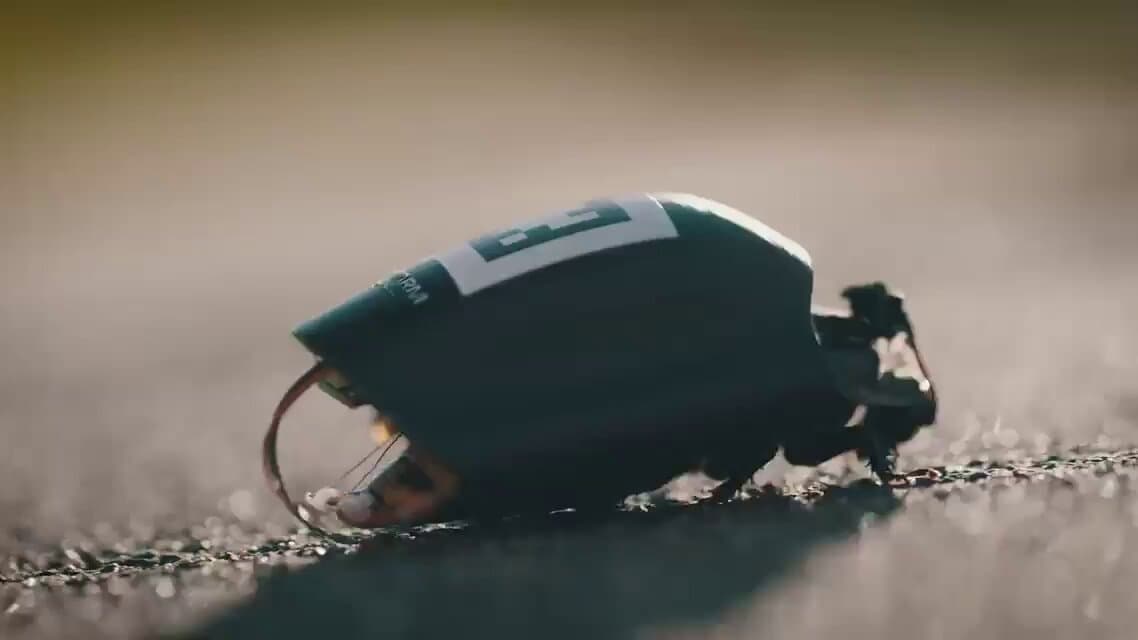
In a development that reads like science fiction, NATO researchers are creating cyborg cockroaches—live insects wired with artificial intelligence and sensors for military surveillance operations. According to reports, these bio-hybrid systems use electric shocks to the insects' nervous systems to steer their movements, while AI-driven swarm algorithms enable coordinated navigation through challenging environments like rubble and debris. The German military has reportedly already deployed these insect scouts in field tests, marking a significant step in the convergence of biology, robotics, and artificial intelligence.
The Technology Behind the Cyborg Scouts
The core innovation lies in the interface between living organisms and machine intelligence. Researchers attach lightweight sensor packages and microelectronics to the cockroaches' exoskeletons. These packages include cameras, microphones, environmental sensors, and transmission equipment. Crucially, electrodes are implanted to deliver precise electric shocks to the insect's nervous system, allowing remote operators or AI controllers to influence their direction and speed. This method of control leverages the cockroach's own robust biological capabilities—its ability to traverse uneven terrain, squeeze through tiny gaps, and survive harsh conditions—while overlaying digital guidance.
Swarm intelligence algorithms represent the second critical component. Individual cyborg cockroaches are not merely remote-controlled drones; they are designed to operate as a collective. AI coordinates the group, enabling behaviors like distributed sensing, collective mapping of an area, and adaptive reformation if individuals are lost. This makes them particularly useful for missions in collapsed structures or disaster zones where a single point of failure could compromise the operation.
Military Applications and NATO's Interest
The tactical advantages for military and search-and-rescue operations are substantial. A swarm of sensor-equipped cockroaches could infiltrate areas inaccessible to humans, drones, or larger robots. They could provide real-time audio, video, and chemical detection data from inside enemy positions, collapsed buildings after bombings, or during hostage situations—all while being exceptionally difficult to detect. Their biological nature provides camouflage and resilience that purely mechanical systems struggle to match.
NATO's interest in such technology aligns with a broader strategic shift toward autonomous systems and asymmetric warfare tools. Small, cheap, and expendable bio-hybrid agents could provide persistent surveillance with minimal risk to human soldiers. The confirmation that the German military has already tested these systems suggests the technology is moving beyond the laboratory and into practical evaluation phases.
Ethical and Biological Welfare Concerns
The development inevitably raises profound ethical questions. The use of live animals as platforms for military technology sparks debates about animal welfare. While cockroaches have simpler nervous systems than vertebrates, the practice of implanting electrodes and administering electric shocks for control purposes presents clear concerns about causing distress or pain to the organisms.
Furthermore, the militarization of living beings sets a precedent that could extend to other animals, blurring ethical lines that have traditionally separated biological life from weapon systems. There are also potential ecological risks if modified insects were to escape controlled environments, though the cybernetic components would likely limit their long-term survival in the wild.
The Broader Trend: Bio-Hybrid Systems
NATO's cyborg cockroaches are not an isolated project but part of a growing field of bio-hybrid robotics. Researchers worldwide are experimenting with insect-guided drones, rat-controlled robots, and even moth-based sensing systems. The fundamental premise is to harness the evolved efficiency of nature—millions of years of optimization for movement, sensing, and energy use—and augment it with human-made intelligence and purpose.
AI acts as the crucial bridge in these systems, translating high-level mission commands into the low-level stimuli that an insect nervous system can understand. As machine learning algorithms become more sophisticated, so too will the complexity of behaviors these cyborg swarms can exhibit, potentially moving from simple steering to goal-directed learning and adaptation within missions.
Implications for Future Warfare and Civilian Use
The deployment of AI-powered insect scouts signals a future where the battlefield is populated by sensing systems at every scale—from satellites to insects. This could make traditional hiding and fortification tactics obsolete, ushering in an era of total transparency in conflict zones. It also lowers the barrier to entry for high-tech surveillance, potentially enabling non-state actors to develop similar systems.
Beyond military applications, the same technology could revolutionize disaster response. Swarms of cyborg insects could be first responders after earthquakes, locating survivors by detecting body heat, breath, or sounds beneath rubble far more effectively than current methods. They could also monitor environmental contamination or hazardous industrial sites.
However, the dual-use nature of the technology is stark. The same systems that find earthquake survivors could also enable unprecedented domestic surveillance or stalking, presenting serious challenges for regulators and privacy advocates. The small size and biological nature of the platforms would make them extremely difficult to detect and regulate.
Looking Ahead
The development of cyborg cockroach scouts represents a remarkable, if unsettling, milestone in the integration of biology and artificial intelligence. As reported, the technology has already moved from research to initial military deployment. The coming years will likely see refinements in miniaturization, power efficiency, and AI autonomy, potentially leading to even more capable and discreet bio-hybrid agents.
Society now faces urgent questions about the ethical frameworks and regulations needed to govern this new class of technology. The line between organism and machine is becoming indistinct, and with that blurring comes both extraordinary potential and significant risk. As these AI-powered insects scuttle from the lab into the real world, they carry with them a host of implications for security, privacy, and our relationship with the living world.
Source: Based on reporting from @rohanpaul_ai on X/Twitter regarding NATO and German military developments in cyborg insect technology.