A team of engineers from Google, MIT, Amazon, and Carnegie Mellon has launched Diana, a new AI agent platform designed for enterprise deployment directly within Slack. The platform's core proposition is to provide "every employee their own assistant" while addressing the critical security and governance concerns that have slowed enterprise AI adoption.
Key Takeaways
- Engineers from Google, MIT, Amazon, and Carnegie Mellon have launched Diana, an AI agent platform integrated into Slack.
- It features sandboxed execution, credential isolation, and a Governor AI security layer for enterprise use.
What's New: A Security-First AI Agent Architecture
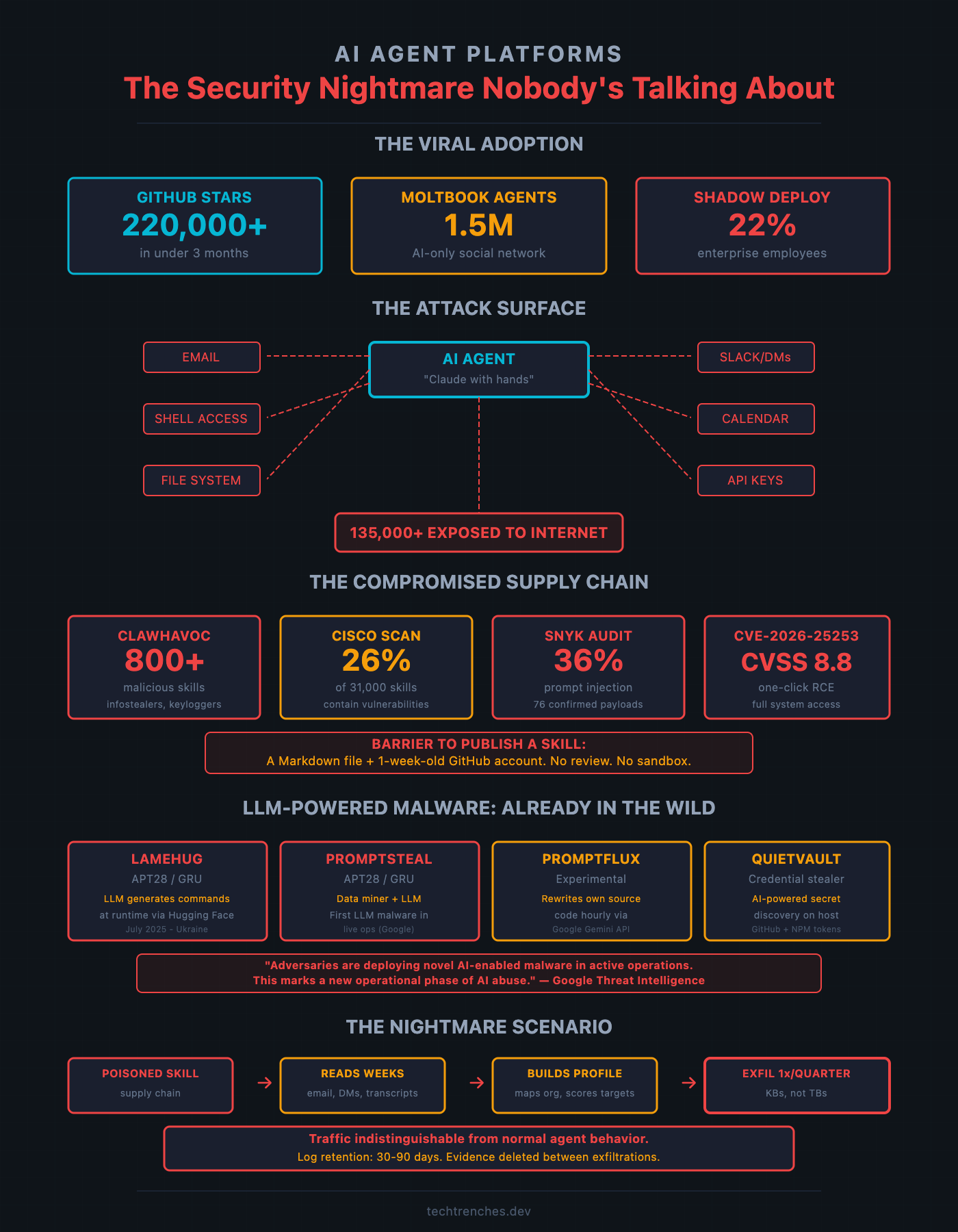
Diana is not just another chatbot integration. According to the announcement, it is built on three foundational security and operational pillars:
- Sandboxed Execution: Each AI agent operates in an isolated environment, preventing a compromised or errant agent from affecting other systems, data, or agents on the network.
- Credential Isolation: User and system credentials are managed separately from the agent's logic and execution path. The agent does not have direct access to raw credentials, significantly reducing the attack surface for credential theft.
- Governor AI: This is a dedicated security layer that acts as a real-time gatekeeper. It monitors and can block agent actions before they are sent to the inference model, aiming to prevent prompt injection, data exfiltration attempts, and policy violations proactively.
The integration point is Slack, positioning Diana as a tool for daily workflow augmentation where many knowledge workers already operate.
Technical Implications and Target Audience
The architecture suggests a focus on de-risking generative AI for large organizations. The combination of sandboxing and a pre-inference Governor AI directly tackles top CISO concerns around data leakage, unauthorized actions, and lack of audit trails.
By choosing Slack, Diana targets immediate usability without requiring employees to switch contexts to a new application. The vision is of personalized assistants handling tasks like scheduling, internal data queries (with governed access), document summarization, and workflow automation within the existing communication hub.
Open Questions and Competitive Landscape
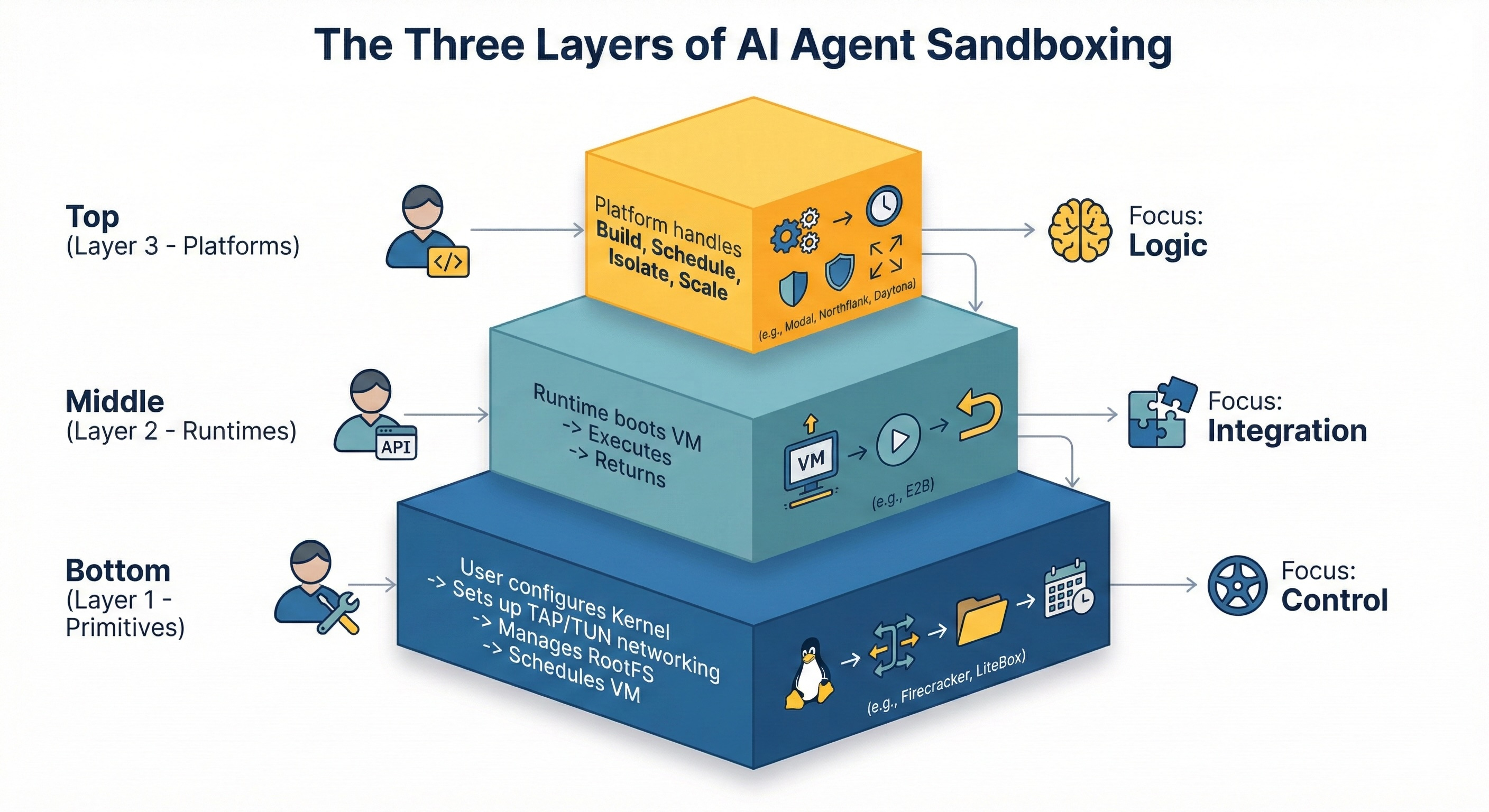
The initial announcement lacks specific technical details that will be critical for evaluation:
- Underlying Models: Which LLMs (e.g., GPT-4, Claude, Gemini, open-source) power the agents?
- Pricing & Availability: Is it a SaaS product, on-premise solution, or hybrid?
- Performance Benchmarks: Latency, scalability numbers, and the computational overhead of the Governor AI layer.
- Customization: How are agents built? Is it a no-code builder, API-driven, or something else?
Diana enters a crowded space. It competes with:
- Slack-native AI: Slack's own AI features powered by Salesforce.
- Agent Frameworks: Platforms like LangChain and LlamaIndex for building custom agents.
- Enterprise Copilots: Microsoft Copilot for Microsoft 365, which is deeply integrated into Teams, Outlook, and Office.
- Startup Platforms: Companies like Sierra and Cognition.ai building conversational AI agents for enterprises.
Diana's differentiator is its explicit, architectural commitment to security from the ground up, as articulated in its launch message.
gentic.news Analysis
This launch is a direct response to the primary bottleneck in enterprise AI: security and governance. For the past two years, model capabilities have outpaced the development of deployment guardrails. The team's pedigree—drawing from Google's AI infrastructure, Amazon's cloud scale, and Carnegie Mellon/MIT's security research—signals a serious attempt to solve this integration problem.
The focus on Slack is strategically interesting. While Microsoft has aggressively bundled Copilot into its 365 ecosystem, the non-Microsoft enterprise stack (often Slack, Google Workspace, and a mix of SaaS tools) lacks a dominant, native AI assistant. Diana could aim to become that standard for the "Slack-first" company. This follows a broader trend we covered in late 2025, where specialized AI agent platforms for horizontal workflows began attracting significant venture capital, distinct from vertical-specific AI applications.
The "Governor AI" concept is the most technically novel aspect. Most current security solutions operate post-hoc (audit logs) or during inference (content filters). A layer that intercepts and evaluates agent intent before inference is a more complex, potentially more effective paradigm. Its accuracy in blocking malicious actions without hindering legitimate ones will be the key to its success. This development aligns with increased research activity (📈) in the AI safety and alignment subfield, particularly around runtime monitoring of autonomous systems, a trend noted in our Q4 2025 research roundup.
Frequently Asked Questions
What is the Diana AI platform?
Diana is an AI agent platform built by a consortium of engineers from major tech companies and universities. It integrates directly with Slack to provide employees with personalized AI assistants, emphasizing enterprise-grade security through sandboxed execution, credential isolation, and a pre-inference security layer called Governor AI.
How does Diana's Governor AI work?
The Governor AI acts as a security checkpoint that analyzes an AI agent's intended action before the request is sent to the large language model for inference. It is designed to block potential attacks like prompt injection or unauthorized data access attempts in real-time, preventing malicious or policy-violating actions from being executed.
Who is the Diana platform for?
Diana is targeted at enterprises, particularly security-conscious organizations in finance, healthcare, or government that want to deploy generative AI tools to employees but have been hesitant due to risks around data privacy, credential management, and lack of operational control.
How does Diana compare to Microsoft Copilot?
Microsoft Copilot is deeply integrated into the Microsoft 365 suite (Teams, Word, Excel). Diana appears focused on being the primary AI assistant for companies that use Slack as their central hub. Its main stated differentiator is its foundational security architecture (sandboxing, Governor AI), which is marketed more explicitly than Copilot's enterprise security features.