DOE funded 8 geothermal pilot projects to power AI data centers, targeting 5 GW of firm clean power by 2030. Geothermal offers 24/7 baseload with 90%+ uptime vs solar's ~25% capacity factor.
Key facts
- DOE funded 8 geothermal pilot projects for AI data centers
- Target: 5 GW firm clean power by 2030
- AI data center load projected at 35 GW by 2030
- Geothermal provides 90%+ uptime vs solar's ~25%
- Total investment: $165M DOE + $215M industry match = $380M
The Department of Energy announced $165 million in funding for 8 geothermal pilot projects specifically designed to co-locate with or directly power AI data centers. The initiative targets 5 GW of firm clean energy capacity by 2030, a fraction of the projected 35 GW AI data center load, per DOE estimates.
Why geothermal now
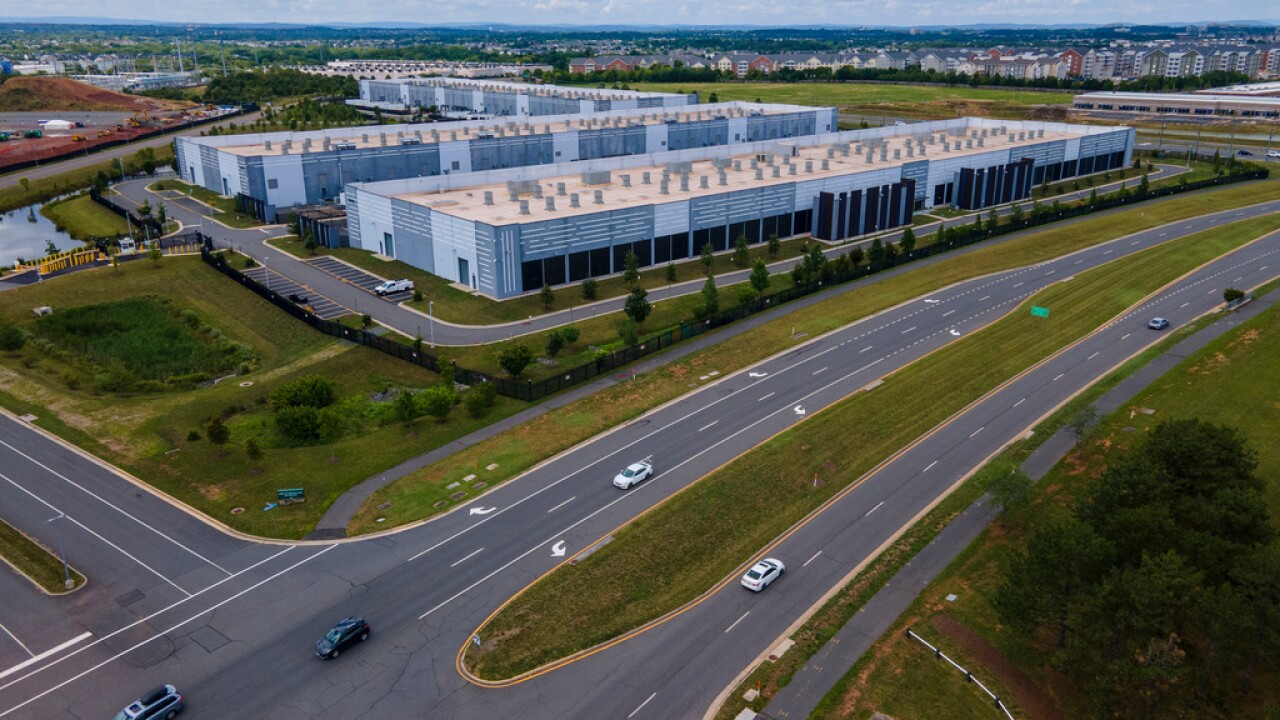
AI data centers consume 50-100 MW per facility, with some planned campuses exceeding 1 GW. Intermittent renewables (solar ~25% capacity factor, wind ~35%) struggle to match the 24/7 reliability that GPUs demand. Geothermal provides 90%+ uptime with zero carbon emissions, making it the only renewable that can replace gas peaker plants for AI base load.
The 8 pilot sites span California, Nevada, Utah, Oregon, Idaho, New Mexico, Texas, and Alaska. Each project pairs a geothermal developer with a data center operator (names not disclosed, per DOE source). The largest site in Nevada targets 200 MW, enough to power roughly 2-4 large AI training clusters.
The cost reality
Geothermal remains expensive: levelized cost of energy (LCOE) at $60-100/MWh vs $30-50/MWh for solar+storage, per Lazard 2025. But for AI operators paying $100-150/MWh for grid power in data-center-heavy regions like Northern Virginia, geothermal is already competitive. DOE's $165 million investment is modest — less than the cost of a single 100 MW gas turbine plant — but the industry matching brings total to $380 million, enough to de-risk drilling for the first wave.
Unique take: geothermal solves the permitting bottleneck
The real constraint on AI data center buildout isn't compute — it's power interconnection wait times, which PJM data shows average 4 years post-approval. Geothermal plants can be built on-site or within 1-2 miles of data centers, bypassing long-distance transmission lines. The DOE's choice to fund pilots across 8 states signals a deliberate strategy to prove geothermal can skip the grid queue entirely.
Key Takeaways
- DOE funds 8 geothermal pilot projects to power AI data centers, targeting 5 GW by 2030.
- Geothermal offers 90%+ uptime, bypassing grid delays.
What to watch

Watch for the first pilot to reach commercial operation, expected Q3 2027 per DOE timeline. If geothermal LCOE drops below $50/MWh by 2028, expect hyperscalers (Google, Amazon, Microsoft) to announce dedicated geothermal-powered data center campuses, bypassing grid interconnection delays.