FDA plans AI-driven real-time drug trial data checks to cut approval timelines by months.
What Happened
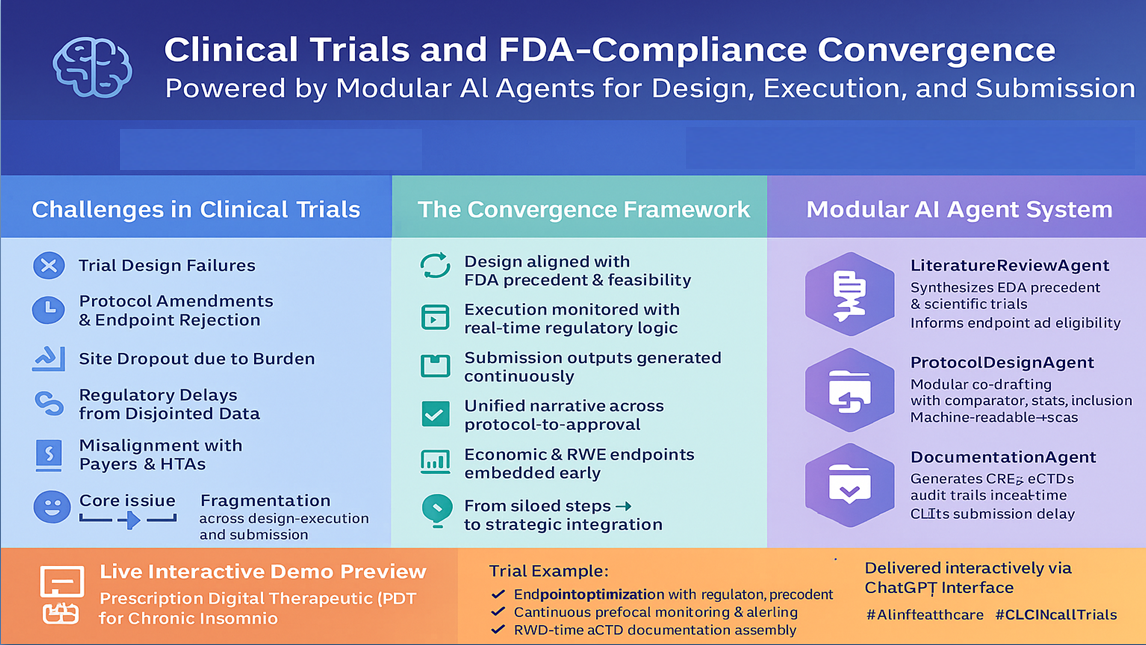
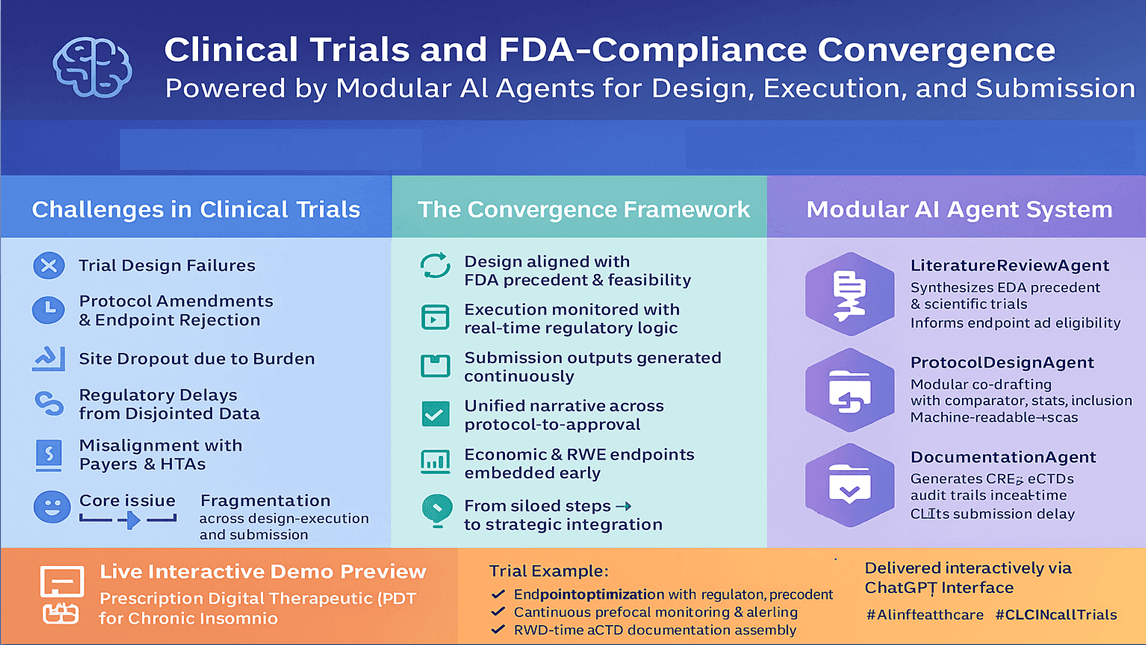
Bloomberg reported that the U.S. Food and Drug Administration (FDA) plans to use artificial intelligence to speed up drug testing by checking clinical trial data in real time. The initiative aims to cut months off drug development timelines by enabling earlier detection of safety issues, data anomalies, or protocol deviations.
According to the report, the FDA will deploy AI systems to continuously analyze incoming trial data rather than waiting for periodic reports. This shift from retrospective to real-time monitoring could allow regulators to flag problems earlier, potentially reducing the number of failed trials and accelerating safe drugs to market.
Context
The FDA has been exploring AI integration for years. In 2023, the agency issued guidance on using AI in drug development, and in 2024 it launched a pilot program for AI-assisted review of medical device submissions. This new initiative extends that effort into clinical trial oversight.
Drug development is notoriously slow and expensive. According to the Tufts Center for the Study of Drug Development, the average cost to bring a new drug to market exceeds $2.6 billion, and clinical trials account for roughly 60% of that spend. The FDA's move could address a major bottleneck: late-stage trial failures that waste years and billions.
Technical Details

The Bloomberg report did not specify which AI models or platforms the FDA will use. However, real-time clinical trial monitoring typically involves:
- Natural language processing to scan investigator notes, adverse event reports, and patient diaries for inconsistencies.
- Anomaly detection models to flag unusual data patterns—such as unexpected lab value shifts or dosing errors—that might indicate safety concerns or data integrity issues.
- Predictive analytics to forecast trial outcomes or identify sites with high dropout rates before they derail a study.
The FDA's Center for Drug Evaluation and Research (CDER) and Center for Biologics Evaluation and Research (CBER) are likely to lead implementation. The agency has previously used AI for pharmacovigilance—monitoring post-market adverse events—but real-time monitoring during active trials represents a significant expansion.
What This Means in Practice
For pharmaceutical companies, the FDA's AI-driven monitoring could mean faster trial approvals but also higher upfront data quality standards. Sponsors will need to ensure their electronic data capture systems integrate with FDA's AI tools. For patients, faster detection of safety issues could reduce exposure to ineffective or harmful treatments.
Frequently Asked Questions
How will the FDA use AI to monitor clinical trials?
The FDA plans to deploy AI systems that analyze clinical trial data in real time, flagging safety issues, data anomalies, or protocol deviations as they occur, rather than waiting for periodic reports.
Could this reduce drug approval times?
Yes. By catching problems early, the FDA hopes to reduce late-stage trial failures and speed up the overall drug development timeline, potentially cutting months off the process.
What types of AI will the FDA use?
While specific models aren't disclosed, typical applications include natural language processing for document review, anomaly detection for data irregularities, and predictive analytics for trial outcomes.
Is the FDA already using AI for other purposes?
Yes. The FDA has used AI for post-market pharmacovigilance, medical device review pilots, and guidance on AI in drug development since 2023.