Key Takeaways
- The article discusses the evolution of e-commerce from simple checkout processes to a future where AI shopping agents act on behalf of consumers.
- It argues that success in this 'agentic commerce' era depends on merchants building a robust trust layer with data security, transparency, and reliability at its core.
The Innovation — What the source reports
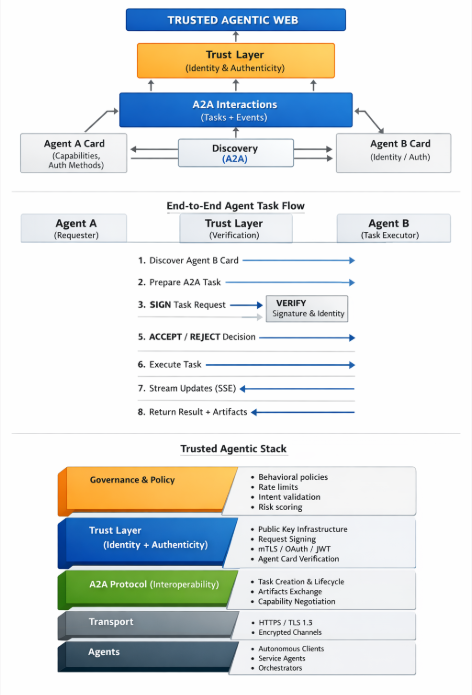
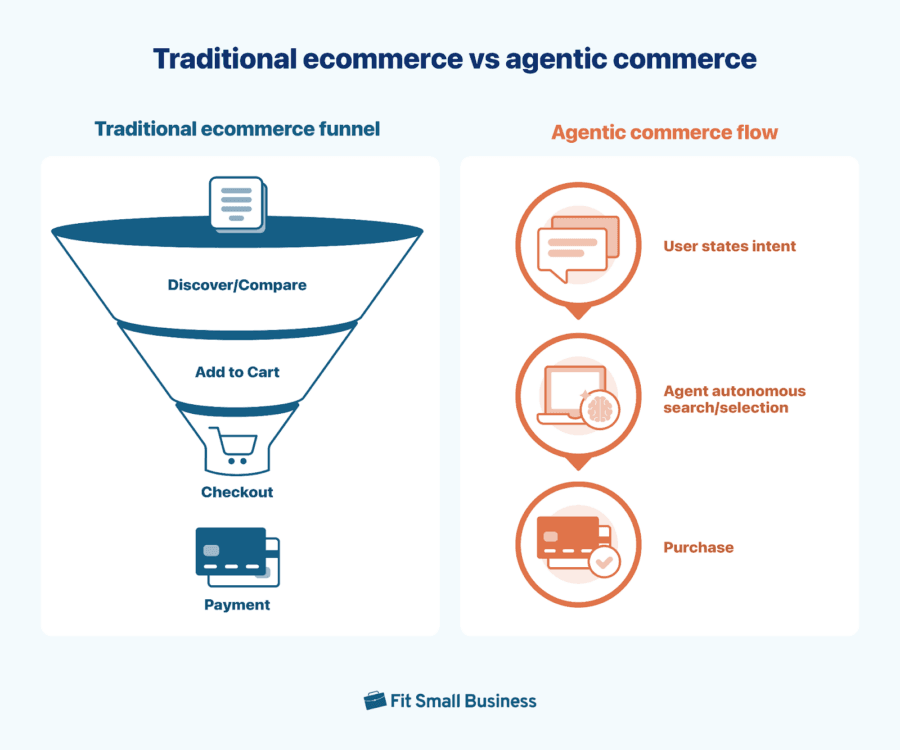
The concept of "agentic commerce" represents a fundamental paradigm shift in digital retail. Moving beyond the static, merchant-controlled checkout page, it envisions a future where autonomous AI agents—acting on behalf of consumers—will research, evaluate, and purchase products across the web. These agents won't be limited to a single brand's website; they will operate across platforms, comparing prices, reading reviews, and accessing inventory data in real-time to execute complex purchasing decisions.
The critical insight from Retail TouchPoints is that the competitive battleground will no longer be just the checkout UX or payment options. Instead, it will be the underlying "trust layer." For a merchant to succeed in an agent-driven ecosystem, their digital storefront must be verifiably trustworthy to both the AI agent and the human consumer it represents. This trust is built on pillars of data integrity, transactional security, consistent API reliability, and transparent business practices.
Why This Matters for Retail & Luxury
For luxury and premium retail, this shift is particularly consequential. The high-value, consideration-heavy nature of luxury purchases makes them prime candidates for AI agent assistance. A customer's AI agent might be tasked with finding the perfect limited-edition handbag, sourcing a specific vintage watch, or assembling a complete wardrobe for a season.
Concrete Scenarios:
- Personal Shopping at Scale: An AI agent, trained on a client's style preferences, size, and past purchases, could autonomously scour authorized retailer sites, pre-owned marketplaces, and brand boutiques for a newly released item, handling authentication checks and price negotiation protocols.
- Gifting and Curation: Agents could be instructed to find "a thoughtful gift under €5,000 for a spouse who enjoys Italian tailoring," requiring deep understanding of product attributes, brand heritage, and inventory availability across multiple domains.
- Inventory & Demand Sensing: Brands that publish clean, reliable, and machine-readable product feeds (with accurate stock levels, materials, provenance, and imagery) will be prioritized by shopping agents. This turns a technical SEO practice into a core commercial channel.
Business Impact
The business impact is foundational: merchants without a verifiable trust layer risk becoming invisible to the next wave of commerce. Conversion will happen where the agent decides, not necessarily on the brand's owned domain. Market share could rapidly consolidate towards retailers whose digital infrastructure is most "agent-friendly."
For luxury brands, this amplifies the importance of digital asset quality and data governance. An AI agent cannot appreciate the craftsmanship of a garment from a blurry image or a poorly structured product description. The richness of metadata—from wool origin to artisan details—becomes a direct competitive advantage in attracting agent-driven sales.
Implementation Approach
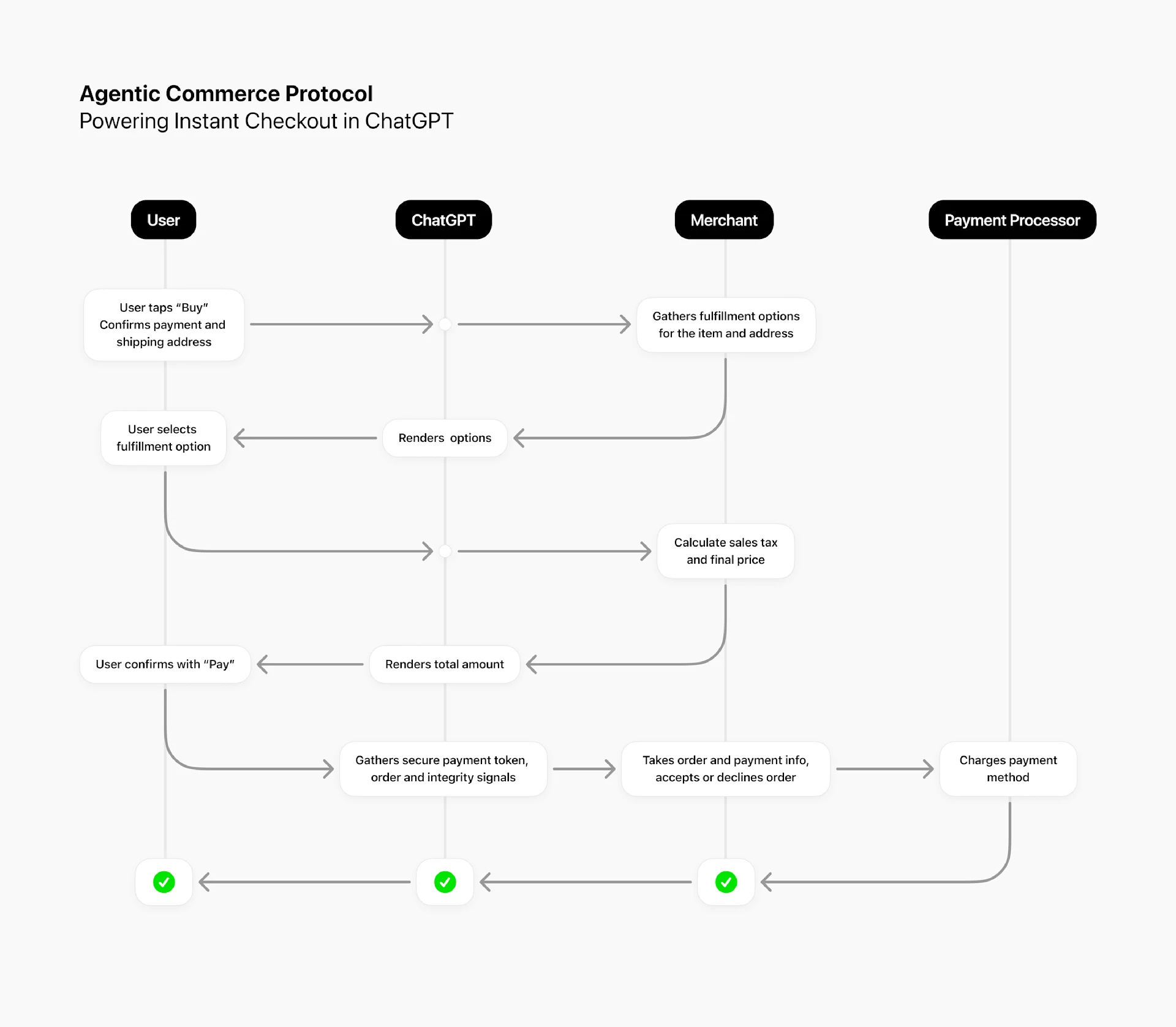
Preparing for agentic commerce is less about deploying a specific AI and more about hardening and exposing your digital foundations.
- API-First & Schema-Marked Data: Product catalogs must be exposed via robust, well-documented APIs (GraphQL is ideal for agent querying). Implementing schema.org markup (Product, Offer, Review) is no longer optional SEO—it's the lingua franca for agent comprehension.
- Unbreakable Uptime & Consistency: Agent interactions will be programmatic and relentless. Inconsistent API responses, frequent 404 errors, or stock discrepancies will lead agents to flag a site as unreliable and seek alternatives.
- Advanced Authentication & Security: High-value transactions initiated by agents will require robust, fraud-resistant authentication protocols that don't hinder the automated flow. Work on tokenized, delegated authorization models.
- Transparency & Policy Machine-Readability: Return policies, shipping costs, authenticity guarantees, and sustainability credentials need to be published in structured, machine-parsable formats (JSON-LD). Trust is built on clarity.
The technical requirement is significant, demanding close collaboration between e-commerce, IT security, and data engineering teams. The effort is comparable to a major platform re-architecture, not a simple plugin installation.
Governance & Risk Assessment
Privacy & Data Sovereignty: AI agents will likely operate with user mandates and data constraints. Merchants must have clear protocols for what agent-supplied data can be used for and ensure compliance with global regulations like GDPR. The principle of data minimization becomes crucial.
Bias & Access: There is a risk that agentic commerce could exacerbate digital divides. Brands must ensure their trust layer is accessible to a wide range of agent technologies, not just those built by tech giants, to maintain a diverse marketplace.
Maturity Level: The ecosystem is in its nascent stage. While the concept is gaining traction, widespread consumer adoption of sophisticated shopping agents is likely 2-5 years away. However, the foundational work on the trust layer cannot wait. The early movers who build robust, agent-readable infrastructures today will capture disproportionate value when the shift accelerates.
gentic.news Analysis
This analysis from Retail TouchPoints aligns with a broader industry trend we are tracking: the democratization of luxury access through AI intermediation. It follows the trajectory from simple chatbots (which we covered in "LVMH's AI Concierge Pilot") to predictive personalization, and now to autonomous agents. The key evolution is the shift of agency from the merchant's CRM system to the consumer's own AI.
This development directly intersects with our previous reporting on blockchain for provenance. An AI shopping agent tasked with buying a high-end watch will need to verify authenticity autonomously. A brand that has integrated a cryptographically secure provenance record (an NFT or digital passport) into its product data feed provides a powerful, machine-verifiable trust signal that an agent can audit in seconds. This creates a powerful synergy between two emerging technologies: agentic commerce and Web3-enabled authentication.
Furthermore, this underscores the strategic importance of data partnerships. A luxury group's ability to provide a unified, trustworthy product feed across all its maisons could create a formidable moat. An agent learning that Richemont or Kering offers reliable, rich data across multiple brands may develop a preference for querying their ecosystems first, effectively building brand loyalty at the agent level. The competition is no longer just for the customer's heart, but for their AI's trust.