The Innovation
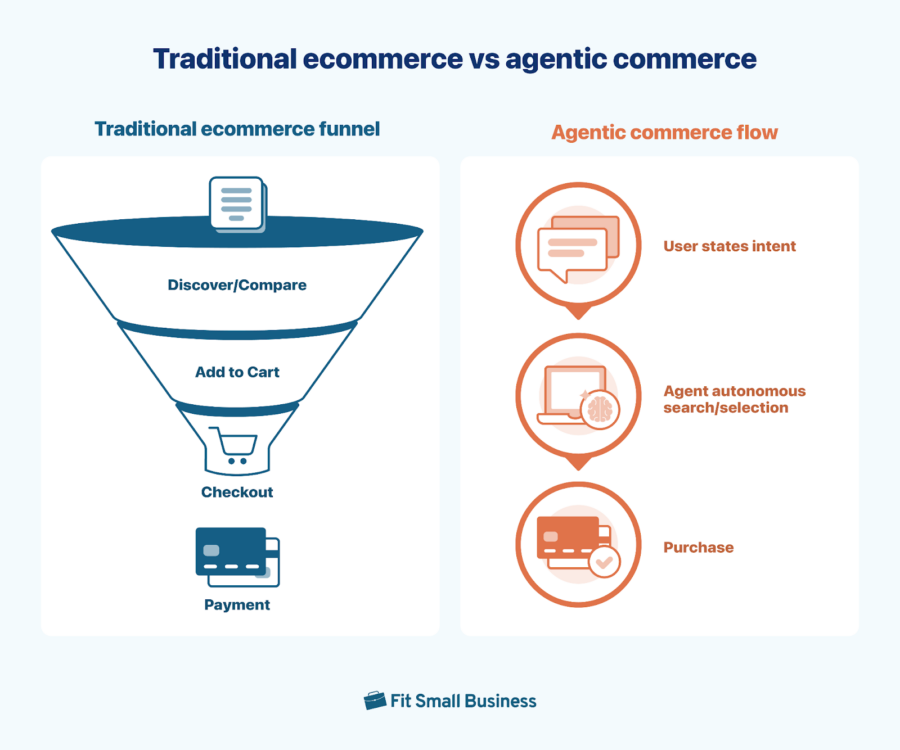
The core innovation is the strategic shift from using AI as a tool for task automation to deploying autonomous AI agents that make operational decisions. According to Gartner research, 40% of enterprise applications will include embedded AI agents by the end of 2026, a dramatic increase from less than 5% in 2025. By 2028, they predict 15% of day-to-day work decisions will be made autonomously by these agents—a capability that is essentially nonexistent today. This represents a fundamental change in how supply chains operate: moving from human-led, AI-assisted processes to AI-led, human-supervised systems.
Recent technical developments are accelerating this trend. Google's release of cost-optimized models like Gemini 3.1 Flash-Lite for enterprise workloads and CLI tools with built-in AI agent skills (like the gws tool for Google Workspace) demonstrates the push toward operational integration. Meanwhile, research institutions like MIT are advancing the underlying capabilities with systems like the 'agent harness,' which enables AI agents to proactively plan and execute complex, multi-step tasks autonomously. The technology is moving from experimental prototypes to production-ready components that can be integrated into existing enterprise systems.
Why This Matters for Retail & Luxury
For luxury and retail companies, this evolution addresses critical pain points in supply chain management that directly impact brand value and customer experience. The luxury sector's supply chains are uniquely complex, involving artisanal production, limited-edition runs, global material sourcing, and stringent quality controls—all while maintaining exclusivity and brand mystique.
Specific applications include:
- Demand Forecasting & Production Planning: AI agents can autonomously adjust production schedules based on real-time sales data, social sentiment analysis, and influencer impact, ensuring limited editions sell out without overproduction.
- Raw Material Procurement: Agents can monitor global markets for luxury materials (exotic leathers, precious metals, rare fabrics), execute purchases at optimal times, and manage ethical sourcing certifications.
- Inventory Allocation & Logistics: Autonomous systems can decide how to allocate limited inventory across global boutiques, e-commerce, and wholesale partners based on predicted demand, maximizing full-price sell-through.
- Quality Control & Compliance: Computer vision agents can inspect products at various production stages, flagging deviations from quality standards that human inspectors might miss.
- Sustainable Sourcing Verification: Agents can continuously verify supply chain partners' sustainability claims against multiple data sources, ensuring compliance with ESG commitments.
Business Impact & Expected Uplift
The transition to AI-agent-driven supply chains offers substantial financial and operational benefits:
Quantified Impact: While specific numbers for luxury implementations are still emerging, Gartner's research indicates that organizations implementing autonomous decision-making in supply chains typically see:
- 15-25% reduction in inventory carrying costs through optimized allocation
- 20-35% improvement in forecast accuracy for seasonal collections
- 30-50% reduction in expedited shipping costs through better planning
- 10-20% improvement in gross margin through reduced markdowns and stockouts
Time to Value: Initial benefits from integrating AI agents into specific processes (like demand sensing or procurement) can be realized within 3-6 months. Full transformation to an AI-agent-led supply chain requires 18-24 months of phased implementation.
Industry Benchmarks: According to McKinsey's 2025 retail operations analysis, companies that have implemented AI-driven autonomous planning systems achieved 2-4 percentage point improvements in EBIT margins within two years. For a €10B luxury group, this translates to €200-400M in additional annual profit.
Implementation Approach
Technical Requirements:
- Data Foundation: Clean, integrated data from ERP (SAP, Oracle), PLM, CRM, POS, and supplier systems. Historical sales data with attributes (collection, material, color, size) is critical.
- Infrastructure: Cloud platforms like Google Cloud Vertex AI or AWS SageMaker for model deployment. API gateways for connecting agents to existing systems.
- Team Skills: Data engineers for pipeline creation, ML engineers for model tuning, and—crucially—supply chain domain experts who understand luxury business constraints.
Complexity Level: Medium-High. While pre-built agents for common tasks (forecasting, routing) are available via APIs, luxury applications require significant customization for brand-specific constraints (minimum order quantities for artisans, exclusivity agreements, quality thresholds).
Integration Points:
- Product Information Management (PIM): For material specifications and quality standards
- Enterprise Resource Planning (ERP): For inventory, orders, and financial data
- Customer Data Platform (CDP): For demand signals from client behavior
- Supplier Portals: For real-time capacity and lead time updates
- Sustainability Tracking Systems: For ESG compliance data
Estimated Effort:
- Phase 1 (Pilot: Single process like raw material ordering): 2-3 months
- Phase 2 (Expansion to multiple processes): 6-9 months
- Phase 3 (Full autonomous supply chain): 12-18 months additional
Governance & Risk Assessment
Data Privacy & Compliance: Luxury supply chains involve sensitive data about artisan networks, exclusive material sources, and production techniques. AI agents accessing this data must comply with GDPR and potentially export controls. Implementation requires:
- Data anonymization for training where possible
- Clear data governance policies defining what agents can access
- Audit trails for all autonomous decisions affecting production or sourcing
Model Bias Risks: While less prominent than in customer-facing AI, supply chain agents can develop biases:
- Over-reliance on certain suppliers due to historical data patterns
- Under-valuation of emerging artisans or material sources with limited data
- Cultural biases in quality assessment (e.g., favoring Western aesthetic standards)
Maturity Assessment:
- Technology: Production-ready for common tasks (forecasting, routing). Emerging for complex luxury-specific applications.
- Organizational: Early adoption phase. Most luxury houses are experimenting with AI assistance but haven't transitioned to autonomous agents.
- Proven at Scale: Limited evidence in luxury. More established in fast-moving consumer goods and electronics.
Strategic Recommendation: Luxury companies should adopt a phased "co-pilot" approach:
- Year 1: Implement AI agents for non-critical, data-intensive tasks like demand sensing and logistics optimization, maintaining human approval for all decisions.
- Year 2: Expand to semi-autonomous operation for selected processes (raw material replenishment, inventory transfers between boutiques) with human oversight.
- Year 3: Target full autonomy for well-defined operational decisions while strategically upskilling supply chain teams to focus on supplier relationship management, innovation sourcing, and exception handling.
The key insight from the source material remains paramount: success depends less on perfecting the AI technology and more on developing human leaders who can integrate these autonomous systems, manage the exceptions they cannot handle, and maintain the human relationships that define luxury craftsmanship.