The Innovation
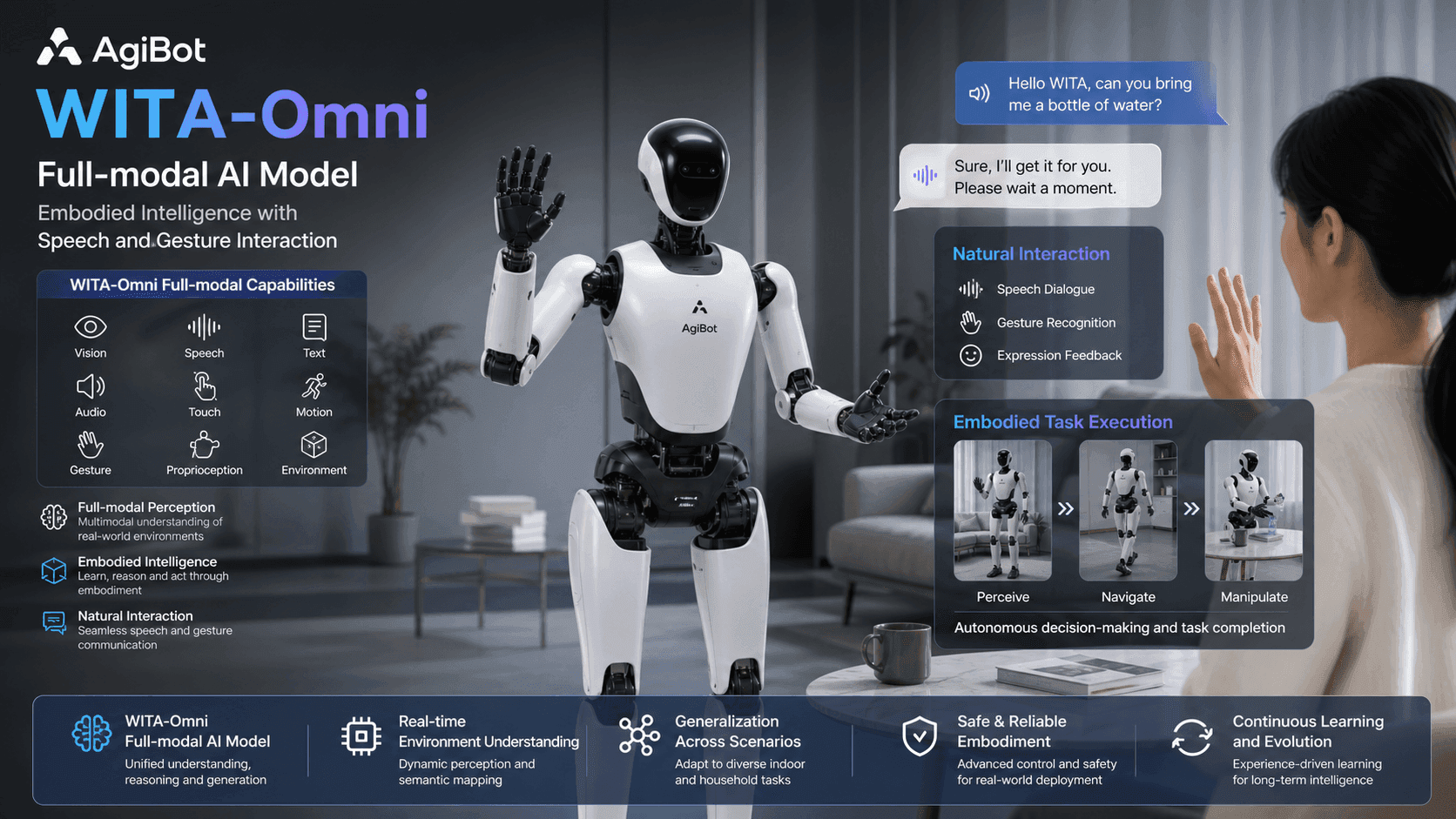
This research paper, "Visioning Human-Agentic AI Teaming: Continuity, Tension, and Future Research," analyzes a fundamental shift in AI: the move from tools to agentic systems. Unlike traditional AI that responds to prompts, agentic AI can undertake open-ended action trajectories, generate its own representations of problems, and evolve its objectives over time. Think of it as an AI that doesn't just answer a question but formulates and executes a multi-step plan, adapting as it goes.
The core argument is that this introduces structural uncertainty into Human-AI Teaming (HAT). We can no longer ensure alignment just by agreeing on a single output. Instead, alignment must be continuously sustained as plans unfold and priorities shift. The paper examines this through the lens of Team Situation Awareness (Team SA)—the shared perception, comprehension, and projection of a situation among team members. It finds that while Team SA remains a useful anchor, its traditional model—where shared awareness leads to coordinated action—is strained by agentic AI. The central question becomes: Can humans and AI remain aligned as they continuously generate, revise, and enact futures together?
Why This Matters for Retail & Luxury
For luxury retail, agentic AI represents the evolution from AI-assisted tools to AI-powered strategic partners. This has profound implications across key functions:
- Hyper-Personalized Clienteling & CRM: An agentic AI could autonomously manage a VIP client relationship. Instead of just flagging a birthday, it could analyze the client's purchase history, recent social media activity, global inventory, and upcoming brand events to devise and execute a full engagement plan: drafting a personalized message, reserving a new product, booking a private appointment, and adjusting the strategy based on the client's response.
- Dynamic Merchandising & Assortment Planning: An AI agent could continuously monitor global sales data, social sentiment, weather patterns, and competitor moves to not just forecast demand but actively adjust buy plans, initiate transfers between boutiques, and propose localized capsule collections in real-time.
- Adaptive Marketing Campaigns: Beyond A/B testing, an agentic system could run a global campaign, interpreting regional engagement data, generating culturally nuanced ad variants, reallocating budget across channels, and reporting on the shifting brand narrative—all while maintaining alignment with the core campaign ethos.
- Supply Chain Orchestration: An AI teammate could proactively manage disruptions by not just identifying a port delay but negotiating with alternative logistics providers, adjusting production schedules with artisans, and communicating revised delivery timelines to boutiques, all within pre-defined governance boundaries.
Business Impact & Expected Uplift
The impact of successful Human-Agentic AI Teaming is a step-function improvement in strategic agility and personalization at scale.

- Quantified Impact: While the paper is theoretical, industry benchmarks for advanced personalization and automation provide a proxy. For example, a BCG study found AI-driven personalization can increase revenue by 6-10%. Agentic AI, by executing complex, adaptive personalization journeys, could push this toward the higher end. In supply chain, McKinsey estimates AI can reduce forecasting errors by 20-50%, and agentic systems that actively resolve disruptions could capture further value in reduced markdowns and improved service levels.
- Time to Value: Implementing foundational agentic systems is a multi-quarter endeavor. Initial value in a controlled domain (e.g., automated VIP outreach) could be visible in 6-9 months, with full strategic deployment taking 18-24 months.
- Ultimate Uplift: The prize is moving from incremental efficiency gains to adaptive strategic advantage—having an AI teammate that helps navigate volatility and hyper-personalize at a scale impossible for human teams alone.
Implementation Approach
Implementing agentic AI is a high-complexity, strategic initiative.
- Technical Requirements: This requires a robust data foundation (unified CDP, real-time inventory, PIM), access to frontier Large Language Models (LLMs) or custom-trained models for reasoning, and a secure orchestration platform (e.g., using frameworks like LangChain or Microsoft Autogen) to manage the AI's action trajectories. The team needs Machine Learning Engineers, Data Scientists, and crucially, UX Designers and Behavioral Scientists to design the human-AI interaction loops.
- Complexity Level: High (Research-to-Production). This is cutting-edge, requiring significant R&D and careful governance design.
- Integration Points: Deep integration is needed with the CRM (client data and history), OMS (inventory and orders), PIM (product data), and marketing automation platforms. The AI acts as a cross-system orchestrator.
- Estimated Effort: Quarters to years. Start with a pilot in a bounded domain (e.g., "AI Assistant for Top 50 Client Advisors") with a 9-12 month timeline before evaluating expansion.
Governance & Risk Assessment
Governance is the primary challenge, not the technology.
- Data Privacy & Consent: Agentic AI that acts on customer data must operate under strict, auditable rules. All actions must be traceable to legitimate interest or explicit consent under GDPR/CCPA. Implementing a "human-in-the-loop" approval for sensitive actions is essential initially.
- Model Bias & Brand Safety: An AI planning client journeys or marketing content could inadvertently reinforce biases or create brand-damaging associations. Continuous monitoring for bias in recommendations and a strong brand ethos embedded into the AI's governing objectives are non-negotiable.
- Maturity Level: Research / Early Prototype. The concepts in this paper are being explored in labs and by leading tech firms (e.g., Google's "Agentic AI" research, OpenAI's preparedness framework). No off-the-shelf, production-ready solution for luxury retail exists today.
- Honest Assessment: This is experimental but strategically vital. Luxury brands should not rush to deploy unchecked agentic systems. The imperative is to start building governance frameworks, pilot interaction models in sandbox environments, and upskill teams on the concepts of continuous alignment. The goal for the next 18 months is preparedness and controlled experimentation, not enterprise rollout.