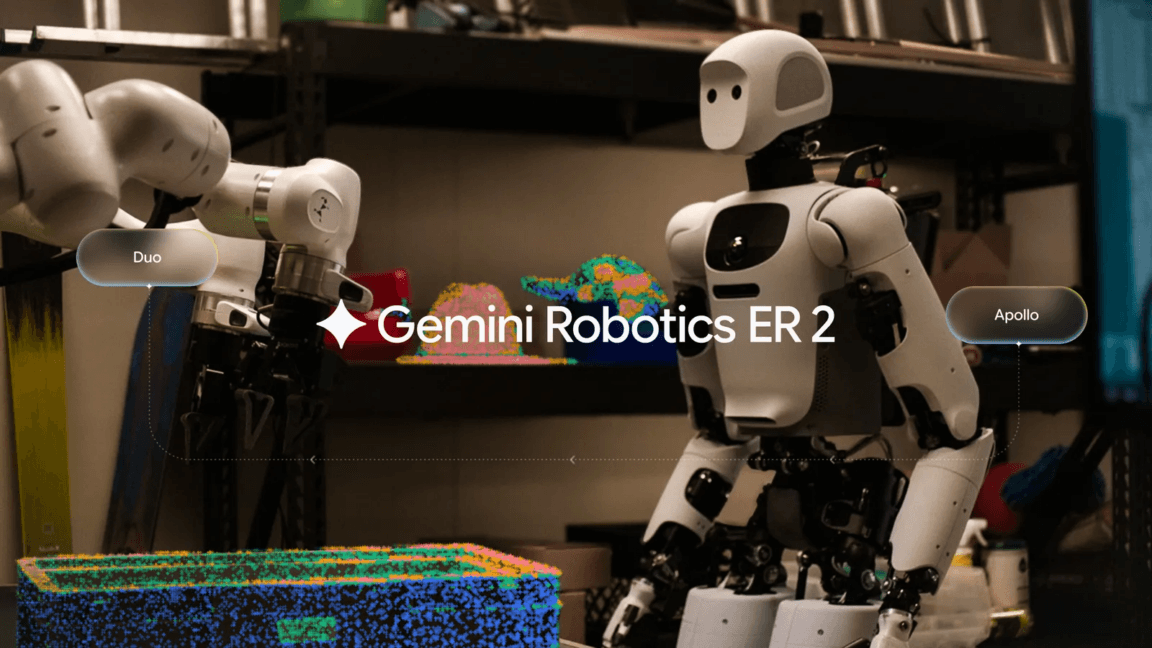
A recent demonstration of a fully autonomous humanoid robot has captured significant attention in the AI and robotics community, with observers declaring it "10x more impressive than another robot-MMA-stunt." According to commentary shared on social media, this advancement represents a critical shift from teleoperated systems—where robots are remotely controlled by humans—to true autonomy, where robots perceive, decide, and act independently in real-world environments.
The Significance of Full Autonomy
Teleoperation has long been a crutch in robotics demonstrations. While impressive feats like robot MMA fights showcase mechanical capabilities, they often rely on human operators guiding every movement. The shift to full autonomy represents a fundamental change: the robot's onboard AI systems must process sensory data, make split-second decisions, and execute complex motor tasks without human intervention.
This development suggests that researchers have made substantial progress in integrating perception systems, real-time decision-making algorithms, and robust control systems. The robot isn't just following pre-programmed routines but responding dynamically to its environment—a capability essential for practical applications in unstructured settings like homes, warehouses, or disaster zones.
The Path to Household Robots
The source material includes a bold prediction: "we will have humanoid robots at home by 2027." This timeline, just three years from now, reflects growing confidence that the remaining technical hurdles—including cost reduction, safety certification, and user interface development—can be overcome relatively quickly.
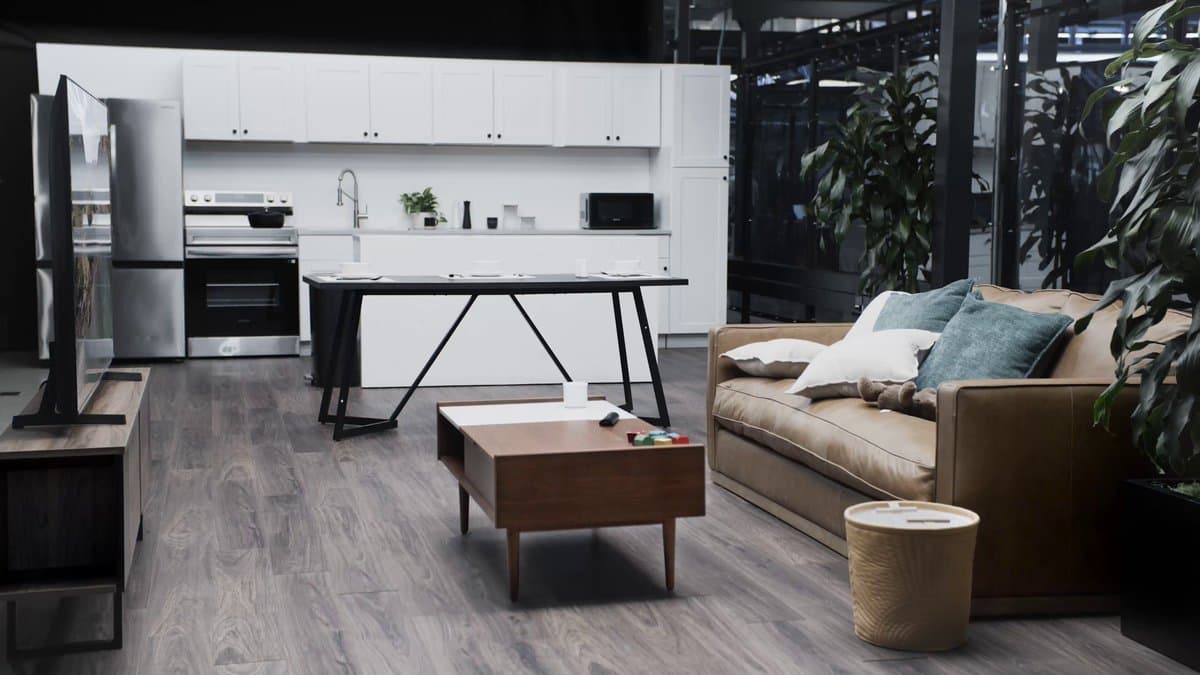
Household robots represent perhaps the most challenging application domain. Unlike controlled industrial environments, homes feature unpredictable layouts, varied lighting conditions, fragile objects, and the presence of people and pets. A robot that can navigate this complexity autonomously represents a monumental achievement in AI integration.
Technical Implications
Achieving full autonomy requires advances across multiple AI domains:
- Computer vision that can recognize objects and interpret scenes in real time
- Natural language processing for understanding verbal commands
- Reinforcement learning for developing motor skills through practice
- Simultaneous localization and mapping (SLAM) for navigation
- Predictive algorithms to anticipate human needs and movements
The integration of these systems into a single platform that operates reliably and safely represents one of the most complex engineering challenges of our time.
Industry Context and Competition
This development occurs amid intense competition in the humanoid robotics space. Companies like Tesla, Boston Dynamics, Figure, and Sanctuary AI are all racing to develop capable humanoid robots, with varying approaches to autonomy. While some have demonstrated impressive physical capabilities, true autonomy without teleoperation has remained elusive for most.
The reported breakthrough suggests that at least one team has crossed this threshold, potentially accelerating the entire industry's timeline. As with self-driving cars, once one company demonstrates a capability is possible, others often follow more quickly than anticipated.
Societal and Economic Implications
The prospect of humanoid robots in homes by 2027 carries profound implications:
- Labor markets could see disruption as robots take on domestic tasks
- Elder care might be transformed with robotic assistance for aging populations
- Accessibility could improve dramatically for people with disabilities
- Consumer electronics would face their most significant disruption since smartphones
However, these benefits come with concerns about privacy (robots with cameras in private spaces), security (connected devices vulnerable to hacking), and economic displacement (particularly for domestic workers).
The Road Ahead
While the prediction of household robots by 2027 seems aggressive, technological progress often follows exponential rather than linear trajectories. The shift from teleoperation to full autonomy represents one of the last major technical barriers before widespread deployment becomes feasible.
The remaining challenges will likely focus on:
- Cost reduction through mass production
- Safety certification for close human interaction
- Energy efficiency for all-day operation
- User experience design for non-technical users
- Regulatory frameworks for consumer robotics
Conclusion
The emergence of fully autonomous humanoid robots marks a pivotal moment in AI development. While details about the specific system remain limited in the source material, the enthusiastic reaction from knowledgeable observers suggests this represents genuine progress rather than marketing hype.
As we approach the predicted 2027 timeline for household robots, we can expect accelerated investment, increased public awareness, and growing debate about how to integrate these transformative technologies into our daily lives. The age of robotic assistants may be closer than many realize.
Source: Social media commentary highlighting a breakthrough in fully autonomous humanoid robotics, predicting household deployment by 2027.