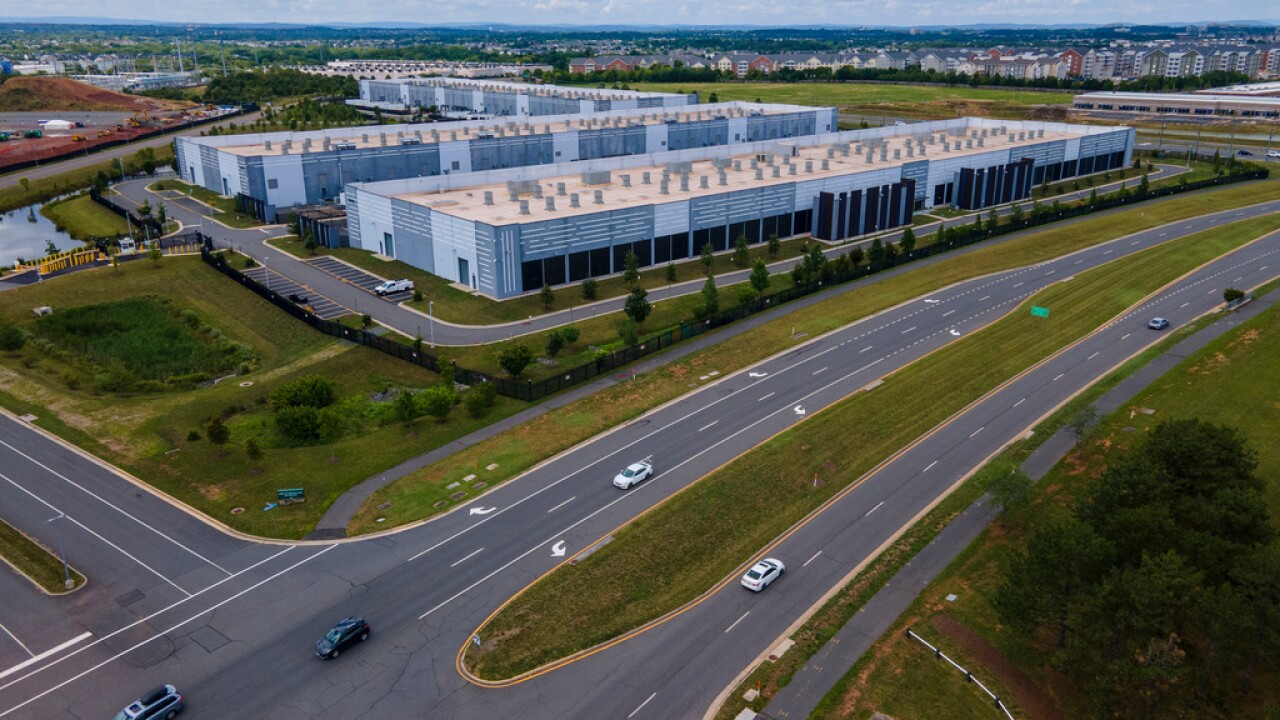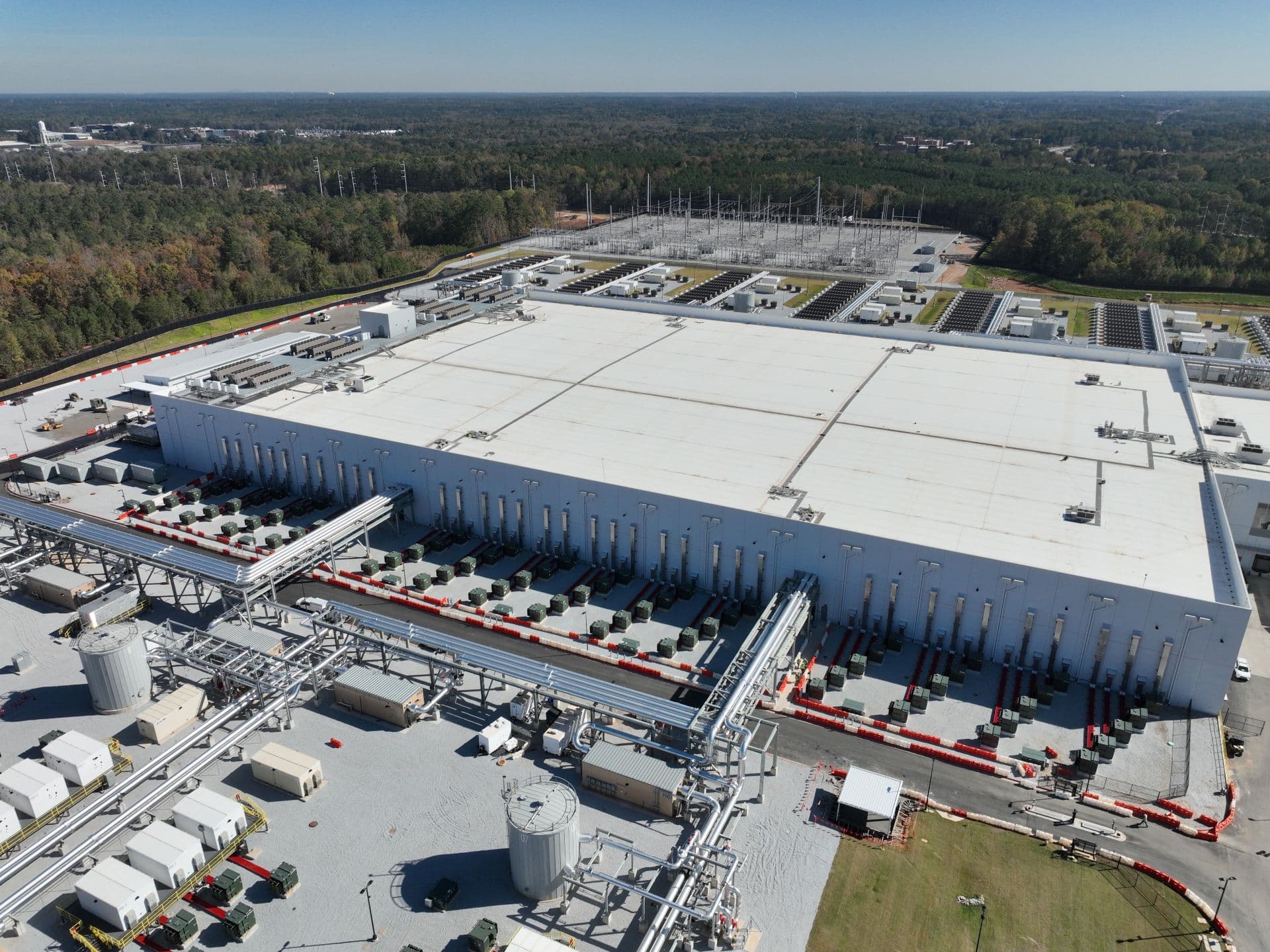
QTS's Georgia data center consumed 29 million gallons of water without being billed. The water usage occurred while nearby residents faced drought restrictions and reported low water pressure.
Key facts
- 29 million gallons of unbilled water consumed by QTS data center
- Residents faced drought restrictions during the same period
- QTS paid $150,000 after discovery; no fines imposed
- Two industrial water hookups were unmonitored by the county
- County transitioning to smart meters, currently understaffed
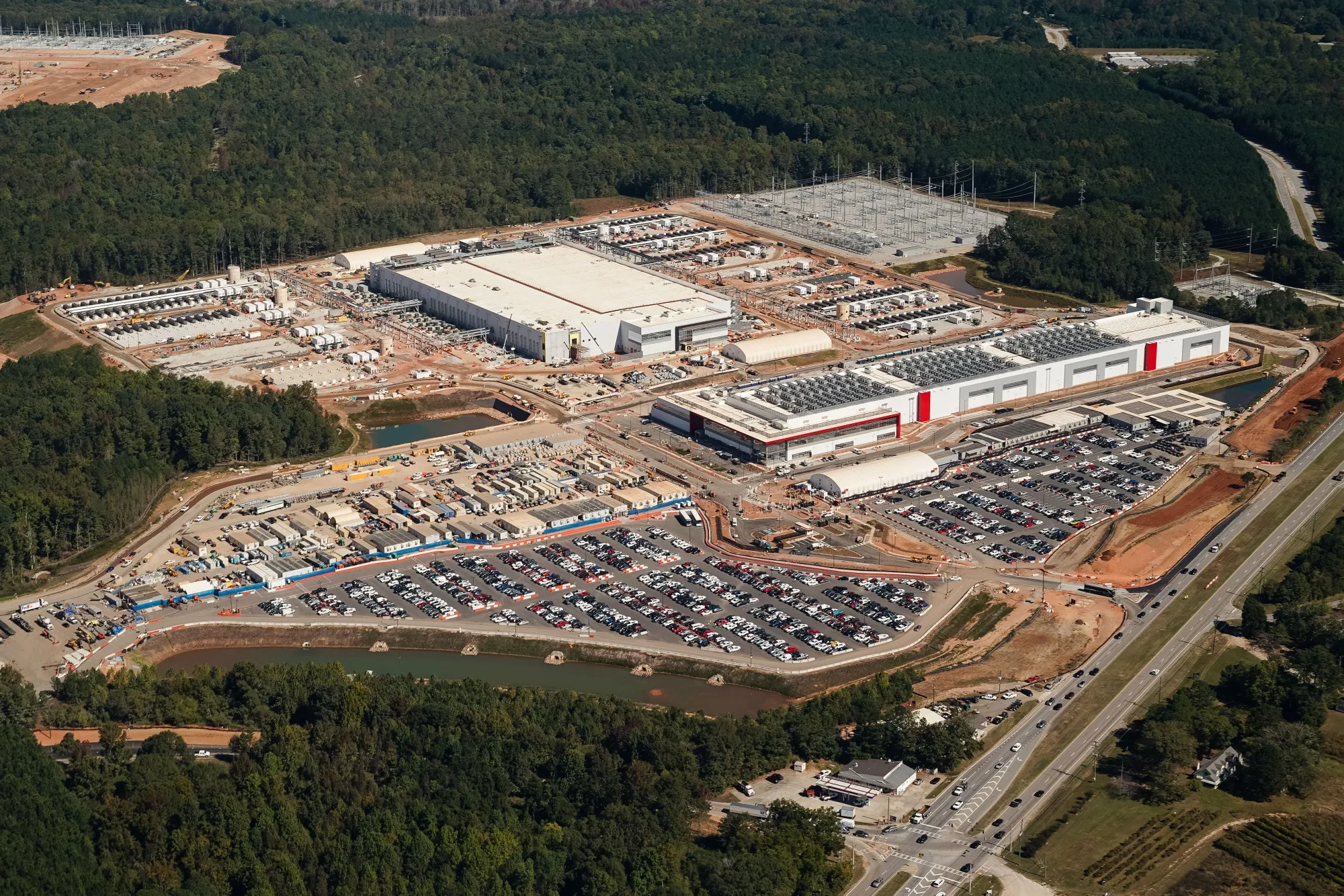
A Quality Technology Services (QTS) data center in Fayette County, Georgia, used approximately 29 million gallons of water without payment, according to a Politico investigation published Friday. The facility had two industrial-scale water hookups that were not being monitored — one installed without the utility's knowledge, the other not linked to the company's billing account [Politico reports].
The water consumption happened while drought-stricken residents were warned to restrict personal water use, and some reported sudden drops in water pressure. QTS eventually paid roughly $150,000 for the unbilled water, but the county imposed no fines for exceeding peak usage limits established during the planning process.
The structural take: this is not a one-off error, but a systemic failure baked into data center approval processes. Fayette County's water system director, Vanessa Tigert, told Politico the decision to forgo fines was partly because the county blamed itself and didn't want to offend QTS. "They're our largest customer, and we have to be partners," Tigert said. "It's called customer service."
The primary reason the water usage went undetected: the county is transitioning from outdated water meters to a smart, cloud-based system meant to track leaks and unexpected drains. Tigert also cited understaffing, noting the only worker available to inspect meters is "spread pretty thin."
Global data center capital expenditure now reaches $250-300 billion annually, equivalent to 5-7 Manhattan Projects per year [per recent industry reporting]. As AI infrastructure buildout accelerates, water monitoring infrastructure in host communities has not kept pace. The QTS case is a warning for the many US jurisdictions hastily approving data center developments without upgrading water systems to handle the scale.
The 29 million gallons were consumed during temporary construction activities, including concrete work, dust control, and site preparation, according to QTS [per the company's statement]. But the core issue — that a facility can operate two industrial water connections entirely outside the billing system — raises questions about what other unmonitored consumption is occurring across the data center buildout.
Key Takeaways
- QTS data center used 29M gallons unbilled during drought.
- County declined fines citing customer service.
What to watch
Watch for Fayette County's smart meter rollout timeline and whether other jurisdictions with data center booms — particularly in drought-prone regions — announce similar monitoring gaps. QTS's next quarterly water usage disclosure will test whether billing systems have been corrected.
[Updated 14 May via gn_ai_data_center]
A new bill in New York would impose a moratorium on new AI data centers until their environmental and water impacts are assessed [per Food & Water Watch]. The legislation, backed by lawmakers and advocacy groups, comes as the QTS Georgia case highlights how data centers can strain local water systems without oversight. Supporters argue that rapid AI infrastructure buildout is outpacing regulatory safeguards, echoing concerns raised by Fayette County's own admission of understaffed water monitoring.