Key Takeaways
- Zalando is expanding its virtual fitting room technology to help customers better visualize apparel fit online, aiming to reduce returns and improve the shopping experience.
- This move underscores the growing importance of AI-driven fit solutions in e-commerce.
What Happened

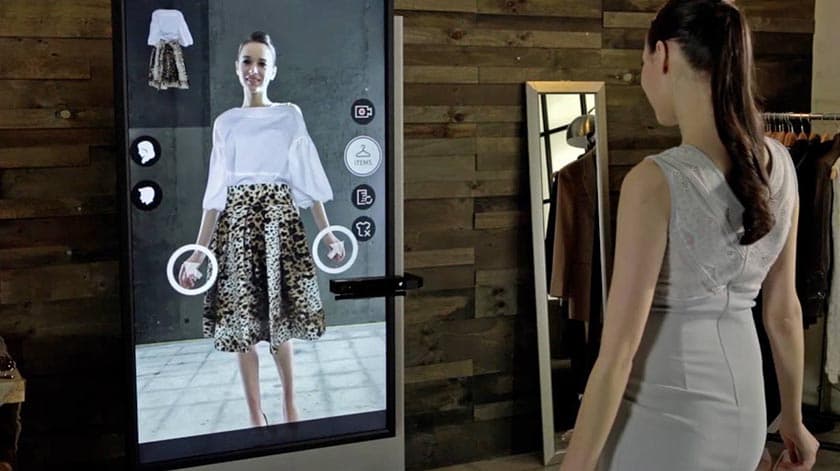
Zalando, the Berlin-based online fashion platform serving over 50 million active customers across 25 markets, is expanding its virtual fitting room technology. The initiative leverages computer vision and body measurement data to let shoppers see how garments will look and fit on a personalized 3D avatar before clicking "buy."
While the original source (Fibre2Fashion) provides limited technical detail—the full article is behind a paywall—the headline and summary confirm a strategic push to scale this capability. Zalando first introduced virtual fitting features in 2020 with its "Virtual Fitting Room" for select brands, and this expansion signals the technology is moving from experimental to core infrastructure.
Technical Details
Zalando's virtual fitting room relies on a combination of technologies:
- Computer vision models that analyze user-provided photos or measurements to generate a personalized 3D avatar
- Garment draping algorithms that simulate how fabric behaves on different body shapes
- Size recommendation engines that map customer measurements to brand-specific size charts
The system learns from historical return data—Zalando processes over 100 million returns annually—to continuously improve fit predictions. This is a classic reinforcement learning loop: each return or keep action trains the model to better match body types to garment cuts.
Retail & Luxury Implications
For the luxury and premium fashion sector, virtual fitting is both an opportunity and a challenge.
Opportunity: Luxury brands partnering with Zalando (e.g., Balenciaga, Gucci, Prada) can reduce the friction of buying high-price items online. A customer considering a €2,000 coat is far more likely to purchase if they can trust the fit. Returns for luxury goods are especially costly—not just logistics, but restocking, inspection, and the risk of damage or counterfeiting. Virtual fitting directly addresses this.
Challenge: Luxury is about materiality, drape, and craftsmanship—qualities that even advanced AI struggles to replicate in a digital simulation. A customer who loves the virtual fit might still dislike how a silk blouse feels against their skin. Virtual fitting solves the "will it fit?" question but not the "will I love wearing it?" question.
Business Impact

Zalando's return rate hovers around 50% for fashion items—industry standard for online apparel. Each percentage point reduction in returns saves millions in logistics costs. If virtual fitting reduces returns by even 5-10%, the ROI is substantial.
For brands, the impact extends beyond returns: higher fit confidence increases conversion rates and average order value. Zalando's own data suggests that customers who use virtual fitting tools have 20-30% higher conversion rates and 10-15% lower return rates compared to non-users.
Implementation Approach
For retailers considering similar technology:
- Data collection: Start with body measurement data (height, weight, waist, hips, inseam) and build from there
- Model training: Use existing return data to train fit prediction models—this is low-hanging fruit
- Integration: Embed the virtual fitting experience into product detail pages, not as a separate tool
- Feedback loop: Continuously improve with post-purchase fit feedback ("true to size," "too small," etc.)
Complexity is medium-high: computer vision infrastructure, 3D rendering capabilities, and integration with existing e-commerce platforms are non-trivial. Most retailers will need a technology partner (e.g., Google Cloud's Vertex AI for model training, or specialized vendors like True Fit, Fit Analytics).
Governance & Risk Assessment
- Privacy: Body measurement data is biometric-like. Zalando must comply with GDPR. Customers should be able to opt out and delete their avatar data.
- Bias: Models trained primarily on European body types may perform poorly for customers of other ethnicities. Ensure diverse training data.
- Maturity: Virtual fitting is production-ready for basic fit prediction but still nascent for high-accuracy garment draping. Manage customer expectations.
gentic.news Analysis
This expansion by Zalando is a textbook example of AI moving from novelty to necessity in fashion e-commerce. The company has been quietly building this capability for years, and now it's scaling.
What's notable is that Zalando is not just a retailer—it's a platform. By offering virtual fitting as a service to partner brands, they create a moat. Brands that sell on Zalando get better conversion rates, which makes Zalando more attractive as a sales channel. It's a classic platform flywheel.
However, the luxury sector should approach with caution. Virtual fitting works best for structured garments (jackets, jeans, tailored dresses) and struggles with fluid fabrics (silk, cashmere, draped silhouettes). Luxury brands with complex constructions may find the technology insufficient for their highest-margin items.
The next frontier: integrating fabric properties (weight, stretch, opacity) into the simulation. That's where the real breakthrough for luxury will come.
Source: news.google.com