What Happened
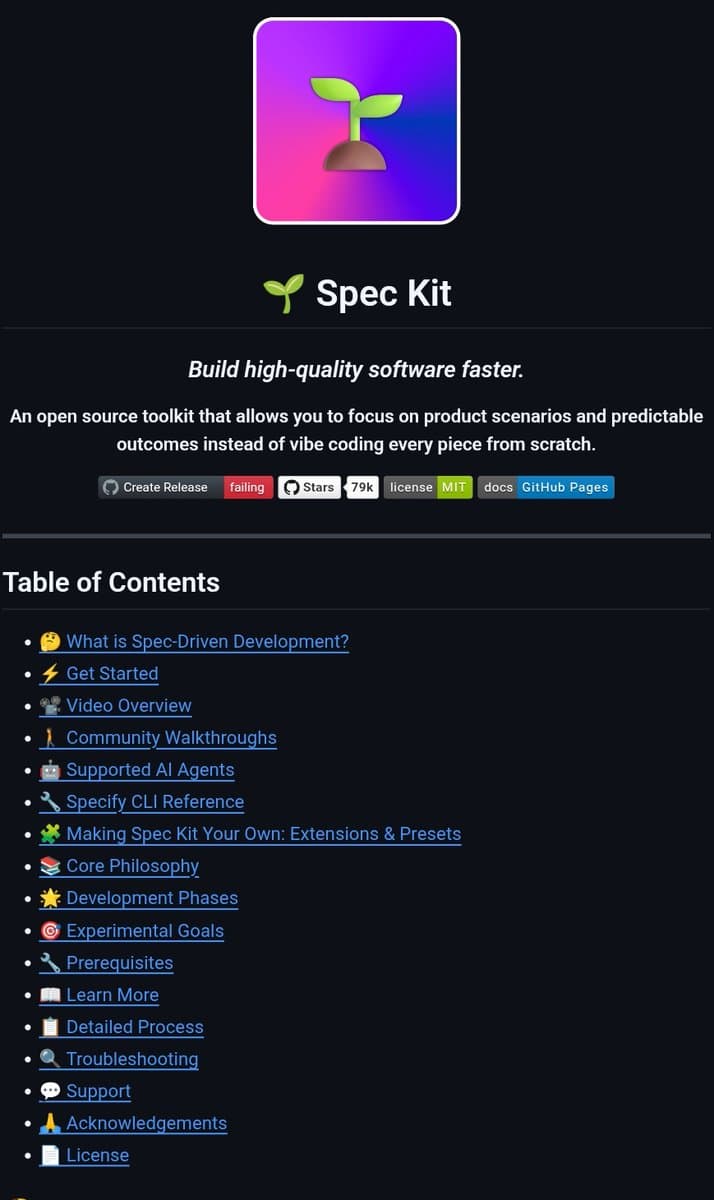
GitHub has released an open-source toolkit called Spec-Kit, designed to automate the initial phases of software development. The tool's core function is to convert a developer's natural language description of a desired feature or project into structured technical specifications, project plans, and ultimately, code.
The announcement, framed as a tool to "kill vibe coding"—a term for informal, ad-hoc development without clear specs—positions Spec-Kit as a bridge between high-level idea generation and structured implementation. According to the source, the workflow is: a developer describes what they want, AI writes the specifications, creates plans, and then builds.
Context & Integration
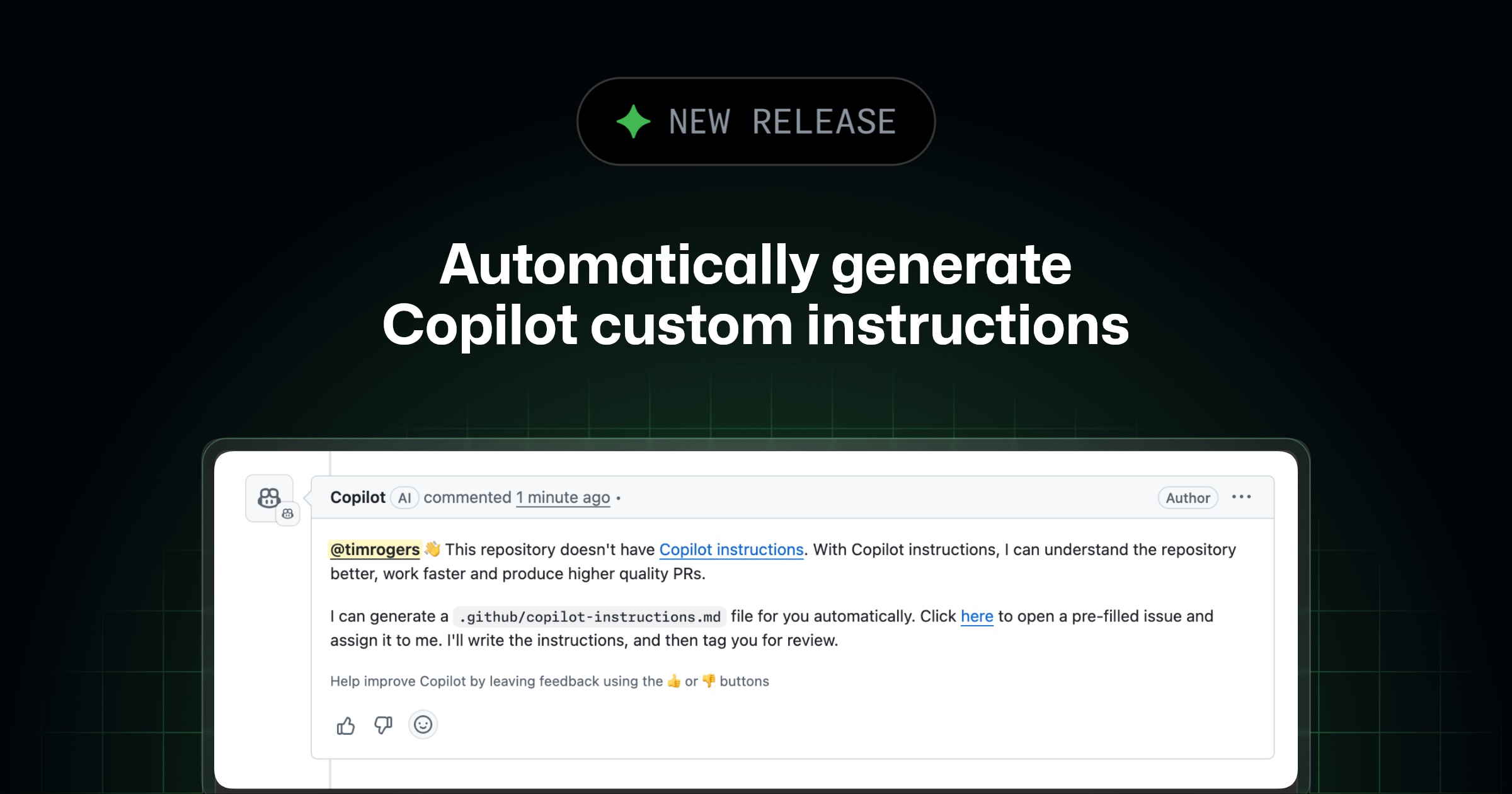
A key technical detail is that Spec-Kit is built to work with every major AI coding agent. This suggests it is not a standalone code generator but a front-end specification layer that can output structured prompts or plans for tools like GitHub Copilot, Claude Code, or Cursor. Its value lies in formalizing the often-missing "pre-code" documentation and architecture step.
The toolkit is available on GitHub, aligning with the platform's broader push to integrate AI throughout the development lifecycle, from planning (with Copilot Workspace) to coding (with Copilot) and operations.
What to Watch
As an initial release, the practical effectiveness, output quality, and specific integration methods with other agents will determine its adoption. The concept addresses a genuine pain point—translating vague requirements into actionable technical plans—but its utility will depend on the precision and adaptability of its AI-generated specs. Developers will likely test whether its specifications are detailed and accurate enough to reliably feed into downstream coding agents without requiring significant manual correction.