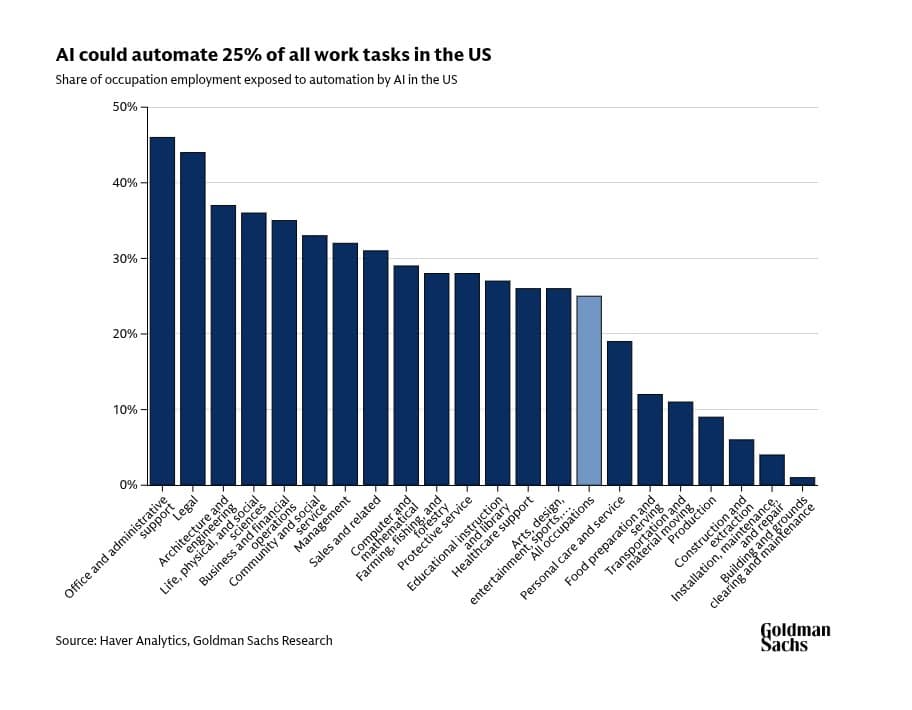
A new report from Goldman Sachs analyzes the potential impact of artificial intelligence on the global labor market, projecting a significant but gradual shift in the nature of work over the coming decade.
What the Report Found
The core analysis indicates that generative AI and related technologies have the potential to automate tasks that currently make up approximately 25% of total work hours in the United States. On a global scale, this level of automation exposure affects an estimated 300 million full-time equivalent jobs.
Projected Timeline and Labor Displacement
The transition is not expected to be instantaneous. The report projects it will take roughly 10 years for these effects to fully unfold. Within this period, the analysis suggests that 6% to 7% of workers in affected economies might face displacement due to automation.
However, the macroeconomic impact on unemployment could be muted if the transition is managed smoothly. The report estimates that, under such conditions, the aggregate unemployment rate might rise by only about 0.6 percentage points.
New Labor Demands from AI Infrastructure
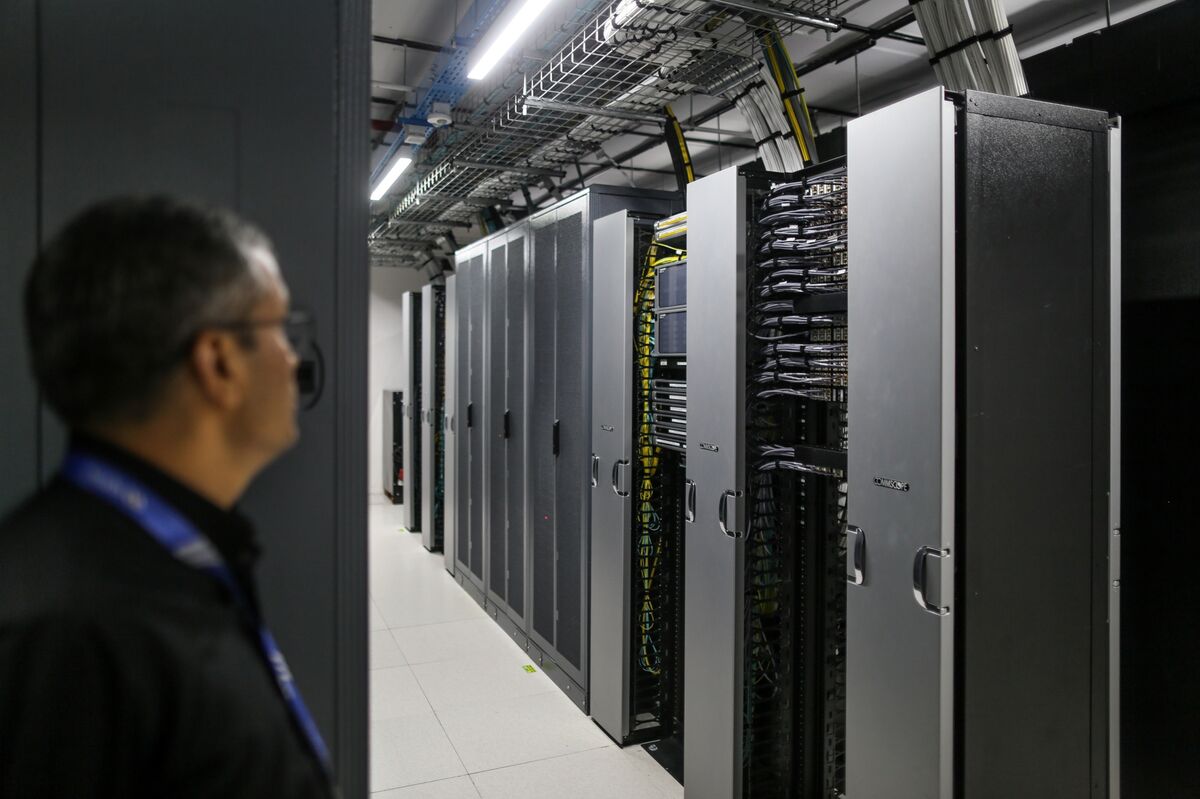
A critical counterbalance highlighted in the report is the massive new labor demand created by building the physical infrastructure required for AI. The energy and construction needs are substantial:
- The United States alone is projected to need 500,000 new workers by December 2030 just to handle the increased electrical power demands from data centers and computing infrastructure.
- Construction jobs specifically related to data centers have already grown by 216,000 since October 2022, indicating this labor shift is already underway.
The report concludes that while AI will automate a significant portion of existing work, it will also create entirely new categories of jobs and industries, particularly in the sectors building and maintaining the AI economy.