The Innovation — What the Source Reports
Google has launched an Agentic Sizing Protocol, a technical specification designed to enable AI agents to autonomously handle product sizing operations within retail environments. While the source provides limited technical details, the protocol appears to be a specialized component of Google's broader push into agentic commerce infrastructure.
This development follows closely on the heels of Google's March 21 release of the Universal Commerce Protocol (UCP), an open-source standard for securing AI agent transactions. The Agentic Sizing Protocol likely represents a domain-specific extension or application layer built atop this foundational UCP framework.
Why This Matters for Retail & Luxury
For luxury and retail AI leaders, this protocol addresses one of the most persistent challenges in e-commerce: accurate product sizing and fit prediction. Current approaches—from basic size charts to complex virtual try-on systems—often fail to account for brand-specific sizing variations, material properties, and individual body morphology.
Concrete applications could include:
- Autonomous customer service agents that can recommend specific sizes based on customer measurements, purchase history, and garment specifications
- Supply chain optimization agents that adjust production runs based on real-time sizing demand patterns
- Personal shopping agents that maintain persistent customer sizing profiles across multiple luxury brands
- Returns reduction systems where AI agents proactively verify sizing compatibility before purchase completion
Business Impact — Quantifying the Protocol's Value
While Google hasn't released specific metrics for this protocol, the business case for solving sizing issues is well-established:
Returns Reduction: The fashion industry faces return rates of 20-40%, with sizing/fit issues accounting for 70% of these returns. Even a 10% reduction in sizing-related returns could save luxury retailers millions annually.
Customer Lifetime Value: Accurate sizing recommendations increase customer satisfaction and loyalty. Bain & Company research shows luxury customers who receive personalized recommendations spend 2-3x more than non-personalized shoppers.
Operational Efficiency: Autonomous sizing agents could reduce customer service workload by 30-50% for sizing-related inquiries, allowing human agents to focus on higher-value interactions.
Implementation Approach — Technical Requirements
Implementing the Agentic Sizing Protocol would require:
Technical Infrastructure:
- Integration with Google's Universal Commerce Protocol or similar agentic frameworks
- Access to product data structured with standardized sizing attributes
- Customer data systems with measurement profiles (with appropriate privacy safeguards)
- AI agent platforms capable of executing the protocol's specifications
Data Requirements:
- Brand-specific sizing charts in machine-readable format
- Historical return data categorized by sizing issues
- Material properties affecting fit (stretch, drape, construction)
- Customer feedback on sizing accuracy
Development Effort: Medium to high complexity. While the protocol provides standardization, each implementation requires:
- Custom integration with existing e-commerce platforms
- Training data collection and model fine-tuning
- Testing across diverse product categories
- Privacy and compliance verification
Governance & Risk Assessment
Privacy Considerations: Sizing protocols inherently process personal measurement data. Luxury brands must ensure:
- Explicit customer consent for data usage
- GDPR/CCPA compliance for data storage and processing
- Secure encryption of sensitive customer measurements
- Clear data retention and deletion policies
Bias & Accuracy Risks:
- Sizing algorithms can perpetuate historical biases if trained on limited demographic data
- Luxury brands serving global clientele need inclusive sizing models
- Material properties (like silk vs. wool) require different fitting algorithms
- Brand-specific "vanity sizing" must be accurately mapped
Maturity Level: Early adoption phase. As a newly announced protocol, production implementations will likely emerge over the next 6-12 months. Early adopters should plan for iterative refinement as the standard evolves.
Competitive Landscape
Google's move into agentic commerce protocols positions them against:
- Microsoft (through Azure AI and OpenAI partnerships)
- Amazon (with their extensive e-commerce AI infrastructure)
- Specialized startups focusing on virtual try-on and sizing solutions
However, Google's strength lies in their comprehensive AI stack—from Gemini models to Cloud Vertex AI—allowing for tightly integrated solutions.
gentic.news Analysis: Google's Strategic Push into Agentic Commerce
This Agentic Sizing Protocol represents the second major commerce-focused protocol Google has released in one week, following their March 21 Universal Commerce Protocol announcement. This rapid-fire release pattern (📈 Google appeared in 36 articles this week alone) signals a deliberate strategy to establish Google as the infrastructure provider for the coming wave of autonomous commerce agents.
Connecting the Dots:
- Foundation First: The Universal Commerce Protocol (UCP) provides the security and transaction framework
- Specialization Next: The Agentic Sizing Protocol offers a domain-specific implementation
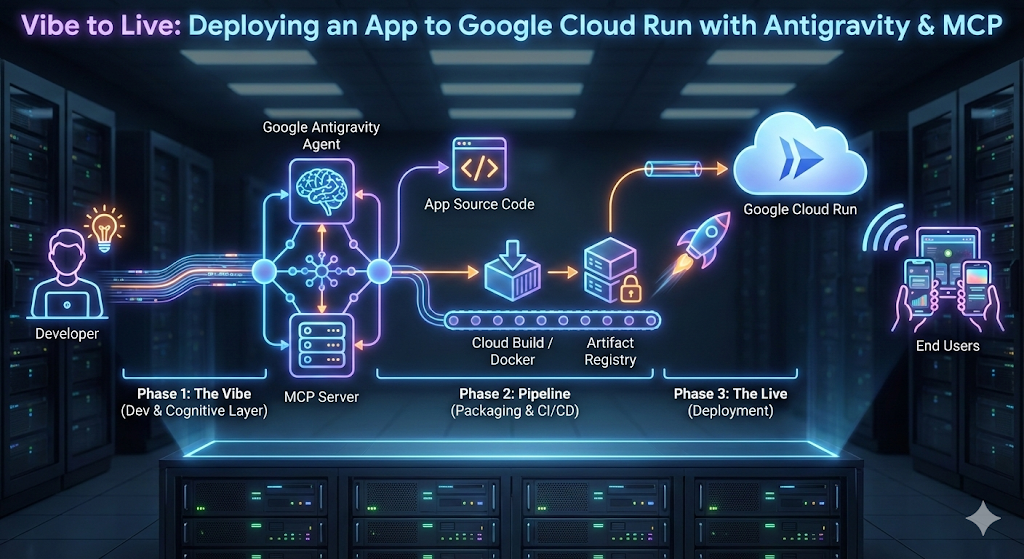
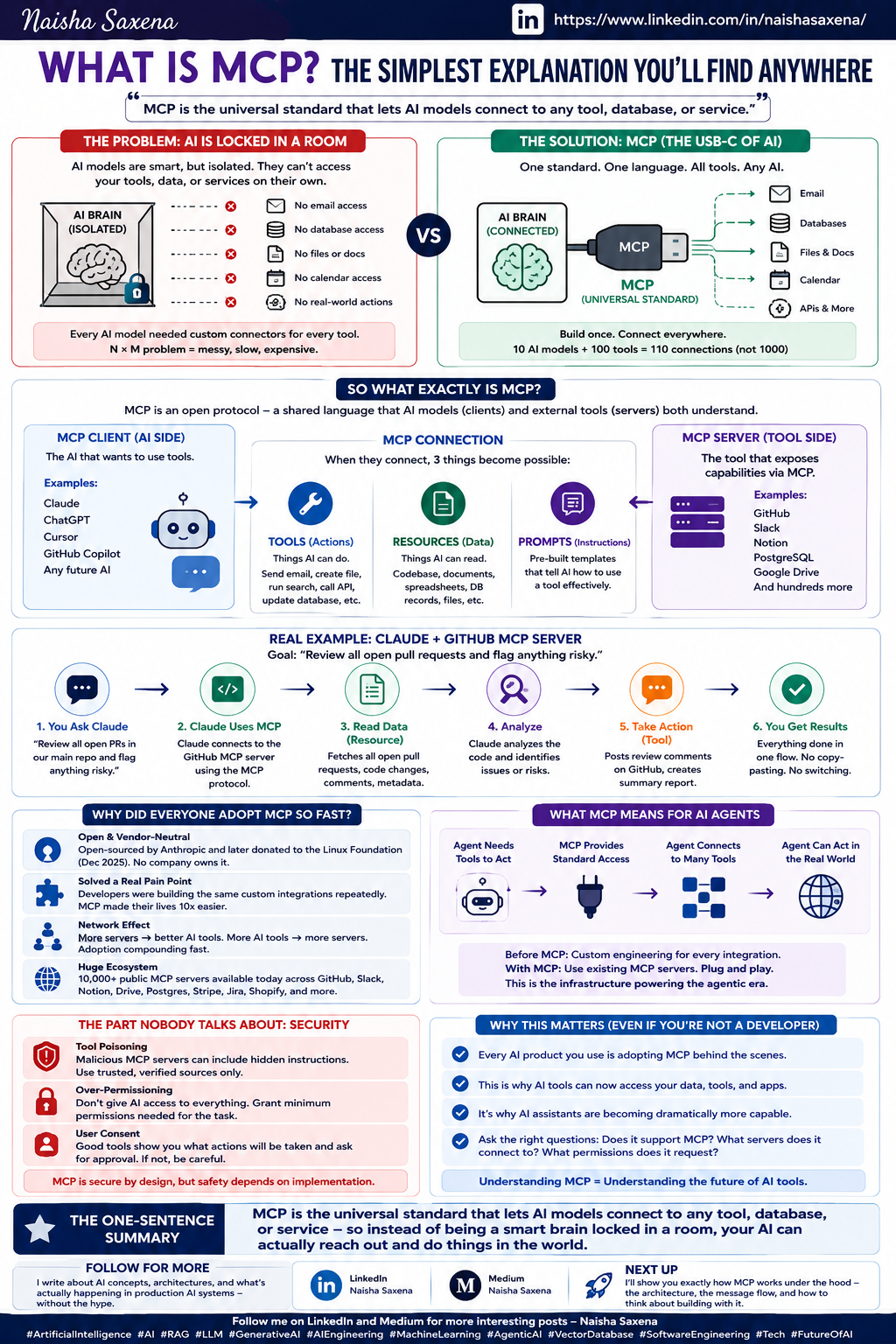
- Integration Ecosystem: These protocols likely connect to Google's broader AI infrastructure, including Gemini models, Cloud Vertex AI, and their recently launched MCP (Model Context Protocol) servers for Google Workspace and Colab
Historical Context: This follows Google's March 25 release of TurboQuant (a 6x LLM compression technique) and their March 24 launch of Chrome DevTools MCP server. The pattern is clear: Google is building a comprehensive stack for efficient, secure, and specialized AI agent deployment.
For Luxury Retail Implications:
The strategic importance for luxury brands isn't necessarily in adopting Google's specific protocol, but in recognizing that agentic commerce is arriving faster than anticipated. Brands that have been experimenting with basic chatbots or recommendation engines now face a decision point: build proprietary agentic systems or adopt emerging standards.
Our Assessment:
- Short-term (0-6 months): Technical teams should evaluate the UCP and sizing protocol specifications
- Medium-term (6-18 months): Pilot implementations for specific use cases (like VIP personal shopping)
- Long-term (18+ months): Full integration into customer journey and supply chain operations
Related Reading: For context on Google's broader AI strategy, see our coverage of Google's TurboQuant compression breakthrough and their Universal Commerce Protocol release.
The Bottom Line: Google isn't just building better AI models—they're building the plumbing for AI-powered commerce. Luxury brands should understand these protocols not as finished solutions, but as indicators of where autonomous retail is heading. The question isn't whether agentic sizing will become standard, but which standards will dominate.