A new approach to AI-powered coding assistants is emerging that could fundamentally change how developers interact with artificial intelligence. Rather than relying on single AI models or fixed multi-agent architectures, researchers are exploring how graph-based systems can create more adaptive, intelligent coding partners that dynamically adjust their collaboration patterns based on the problem at hand.
The Limitations of Current Coding Agents
Current AI coding assistants, while impressive in their capabilities, typically operate as either single models or multi-agent systems with predetermined interaction patterns. These fixed architectures work well for straightforward coding tasks but struggle with complex, multi-faceted problems that require different types of expertise and collaboration strategies.
The issue with static interaction topologies is that they can't adapt to the specific requirements of different coding challenges. A problem requiring extensive architectural planning might benefit from different collaboration patterns than one needing detailed algorithm optimization or security review.
How Graph-Based Systems Work
Graph-based multi-agent systems represent agents as nodes and their interactions as edges in a dynamic graph structure. This allows the system to:
- Adapt collaboration patterns based on task requirements
- Specialize agent roles for different aspects of coding
- Optimize communication pathways between agents
- Learn which interaction patterns work best for specific problem types
In practice, this means that when presented with a complex coding challenge, the system can dynamically organize itself—perhaps creating a hierarchical structure for architectural decisions while using a more peer-to-peer network for implementation details.
Real-World Applications
This technology has significant implications for software development:
Enterprise Software Development: Large codebases with complex dependencies could benefit from agents that understand and navigate project architecture graphs.
Code Review and Security: Graph-based systems could trace potential security vulnerabilities through code pathways more effectively than linear analysis.
Legacy System Modernization: Understanding and refactoring complex legacy systems requires mapping intricate dependencies—a task well-suited to graph-based approaches.
Educational Tools: Adaptive coding tutors could adjust their teaching strategies based on a student's knowledge graph and learning patterns.
Technical Implementation Challenges
Implementing effective graph-based coding agents presents several challenges:
Computational Complexity: Dynamic graph reorganization requires significant computational resources, especially for large-scale projects.
Training Data Requirements: These systems need extensive training on diverse coding problems with optimal collaboration patterns.
Integration with Existing Tools: Seamless integration with current development environments and workflows is crucial for adoption.
Explainability: Understanding why agents chose specific collaboration patterns is important for developer trust and debugging.
The Future of AI-Assisted Development
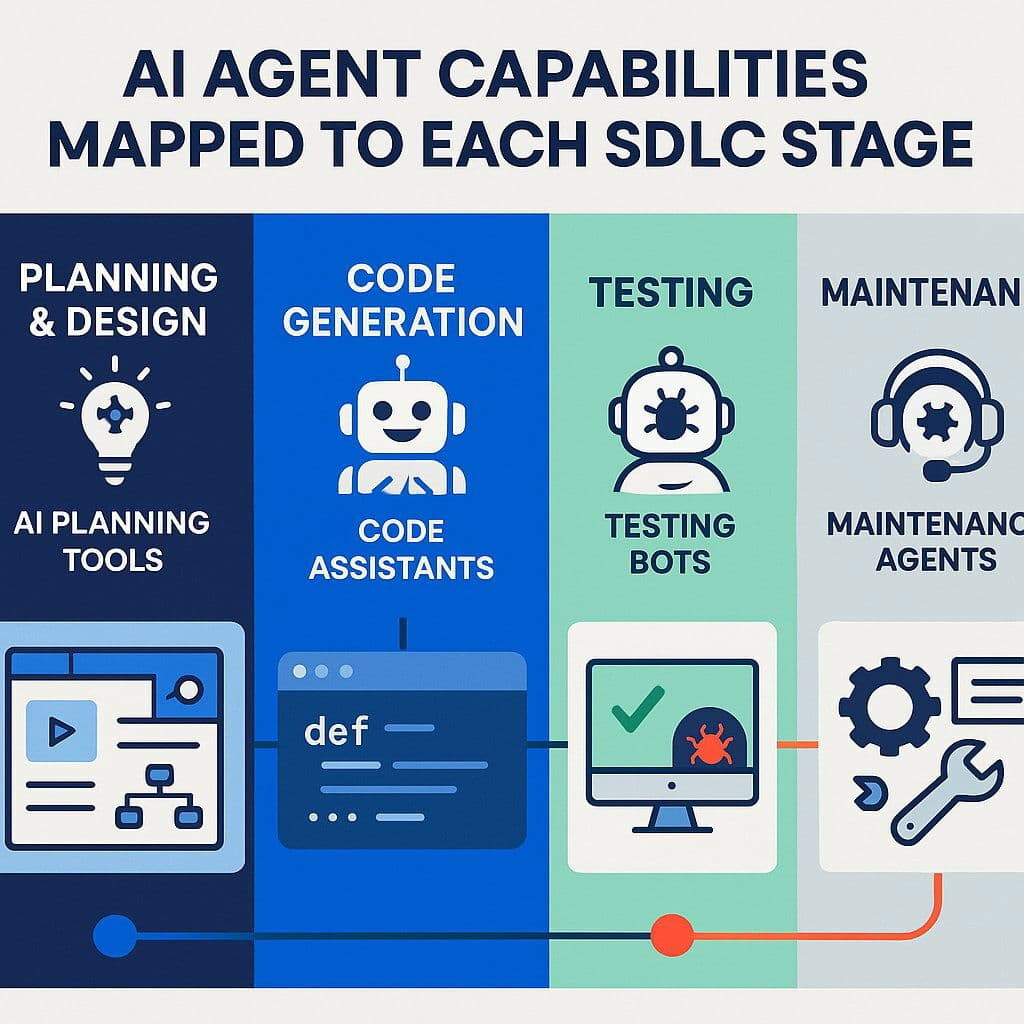
As this technology matures, we can expect to see more sophisticated coding assistants that don't just generate code but understand software architecture, project requirements, and team dynamics. The ultimate goal is creating AI partners that can participate in the full software development lifecycle—from planning and design to implementation, testing, and maintenance.
This research represents a shift from thinking about AI as individual tools to viewing them as collaborative systems that can organize themselves intelligently. Just as human development teams adjust their communication and collaboration patterns based on project needs, AI systems are learning to do the same.
Industry Implications
The development of graph-based coding agents could reshape several aspects of the software industry:
Development Speed: More efficient problem-solving could accelerate development cycles.
Code Quality: Better architectural understanding could lead to more maintainable, scalable code.
Developer Experience: Reduced cognitive load on developers for routine or complex architectural decisions.
Team Composition: The role of human developers might shift toward higher-level design and creative problem-solving.
Source: Based on research discussed by dair_ai and Omar Sar via Twitter/X, highlighting ongoing work in adaptive multi-agent systems for code generation.