The Innovation
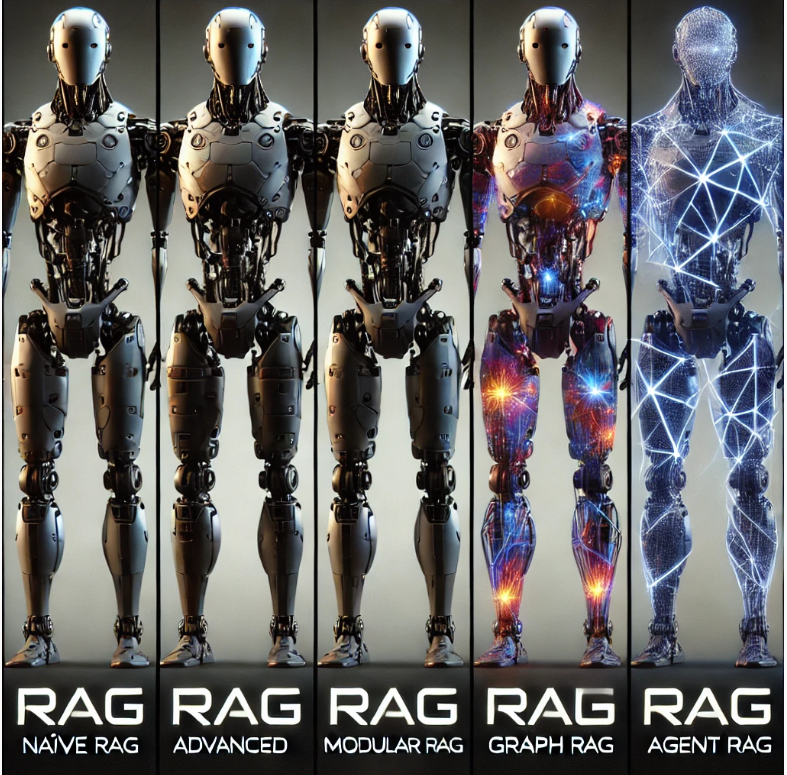
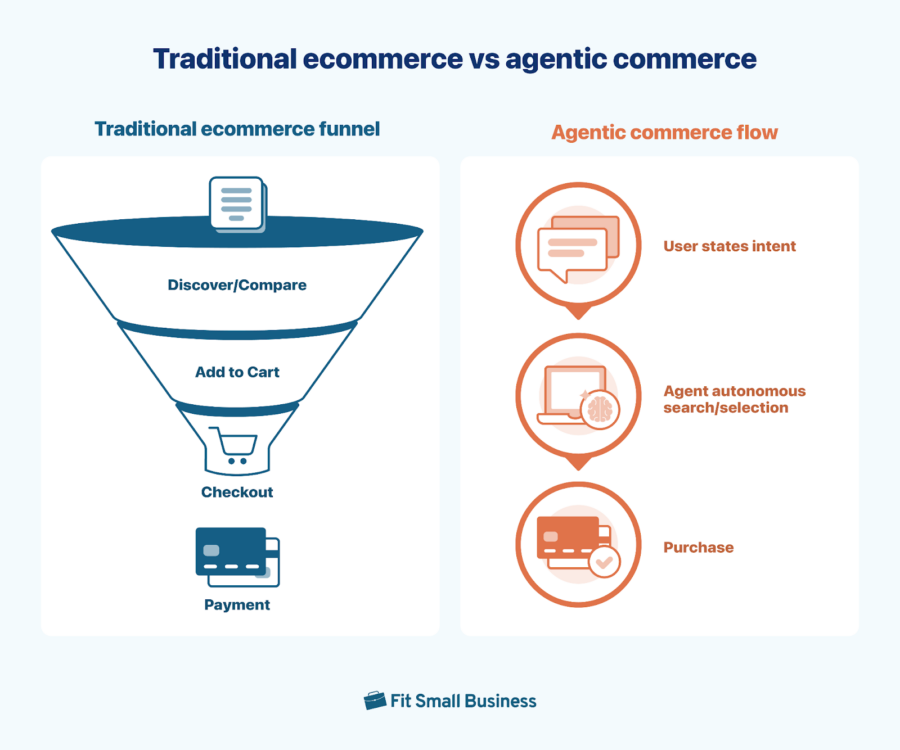
Grocery Dive’s latest “Friday Checkout” column asks a pivotal question: Is agentic AI the next frontier for grocers? The piece dissects the move from static, reactive AI systems—like chatbots that answer FAQ—to proactive, autonomous agents that can plan, execute, and adapt across complex retail workflows.
While the full article text isn’t available (the RSS feed returned only metadata and a consent page), the premise is clear: agentic AI represents a leap beyond traditional machine learning. Instead of a model that predicts demand, you get an agent that not only forecasts but also autonomously places orders, adjusts shelf displays, and coordinates with suppliers—all while learning from real-world outcomes.
Grocery Dive likely cites early adopters like Walmart, Kroger, or Albertsons, who have already experimented with AI for shelf-scanning and inventory robots. Agentic AI takes that a step further: a single AI “agent” could manage multiple tasks, from markdown optimization to personalized coupon issuance, without human hand-holding.
Why This Matters for Retail & Luxury
Grocers are often the bellwethers for retail tech. If agentic AI proves viable in the low-margin, high-volume world of groceries, the principles will cascade to other verticals—including luxury retail.
For luxury, the parallel isn’t about 30-second restock decisions; it’s about coherent, multi-channel clienteling. Imagine an agent that:
- Monitors client preferences (from purchase history and browsing)
- Proactively suggests appointments when a new collection matches their profile
- Adjusts in-store product placement based on predicted foot traffic and VIP visits
- Coordinates with supply chain to ensure limited-edition items arrive at the right boutique on time
That’s agentic AI in luxury: a concierge that works 24/7 across CRM, inventory, and logistics systems.
Business Impact
Grocery Dive’s analysis likely highlights both the promise and the pitfalls:
- Operational efficiency: Autonomous agents could reduce waste by 20-30% in fresh food, one of the biggest cost drivers for grocers.
- Personalization at scale: Agents can generate tailored meal plans and shopping lists in real-time, moving beyond generic loyalty offers.
- Labor augmentation: Store associates using AI agents as copilots could handle more complex customer queries.
But the flip side: integration with legacy ERP and POS systems is non-trivial. Agentic AI requires robust data pipelines and guardrails to prevent rogue decisions (e.g., ordering 10,000 units of a discontinued product).
Implementation Approach

For grocers (and by extension luxury retailers) considering agentic AI, the article suggests starting with narrow, high-impact use cases:
- Demand forecasting + replenishment – let an agent manage one category (e.g., dairy) before scaling.
- Customer service escalation – an agent that handles returns and refunds autonomously after human approval.
- In-store task routing – assign cleaning, restocking, and pricing updates to agents based on real-time sensor data.
Technical prerequisites include a unified data platform (e.g., Snowflake, Databricks), a reliable LLM foundation (GPT-4, Claude, or a fine-tuned open-source model), and a strong human-in-the-loop mechanism for critical decisions.
Governance & Risk Assessment
Agentic AI introduces new risks:
- Autonomy creep – agents making increasingly broad decisions without oversight.
- Data privacy – agents that learn from customer interactions must comply with GDPR/CCPA.
- Bias – agents optimizing for profit might ignore equity (e.g., offer worse deals to low-income neighborhoods).
Grocery Dive likely advises a staged rollout with monitoring dashboards and clear escalation paths. For luxury, the stakes are higher: a bad agentic decision could damage a brand’s exclusivity and customer trust.
gentic.news Analysis
Agentic AI is still early-stage for most retailers. The hype cycle is real: many vendors rebrand their existing predictive models as “agents.” Grocery Dive’s piece rightly questions readiness.
What’s interesting is the timing: with LLMs becoming cheaper and more reliable, the marginal cost of running an agent is dropping. For luxury houses like Kering or Richemont, the opportunity lies in combining agentic AI with their existing personal shopping services. A human stylist plus an AI agent that tracks global inventory, waitlists, and client preferences could be a competitive advantage.
However, the industry should watch grocers as a testing ground. If Walmart or Carrefour successfully deploys agentic AI across hundreds of stores, the blueprints will be transferable—albeit with significant customization for luxury’s lower volume and higher service expectations.
Bottom line: Don’t rush in, but start experimenting now with tightly scoped agents. The technology is real; the maturity curve is steep but faster than previous AI waves.