Key Takeaways
- GrubMarket launches an AI agent for food distributor sales teams, offering real-time data and automated recommendations to boost efficiency.
- This applies directly to retail and luxury supply chain sales operations.
What Happened

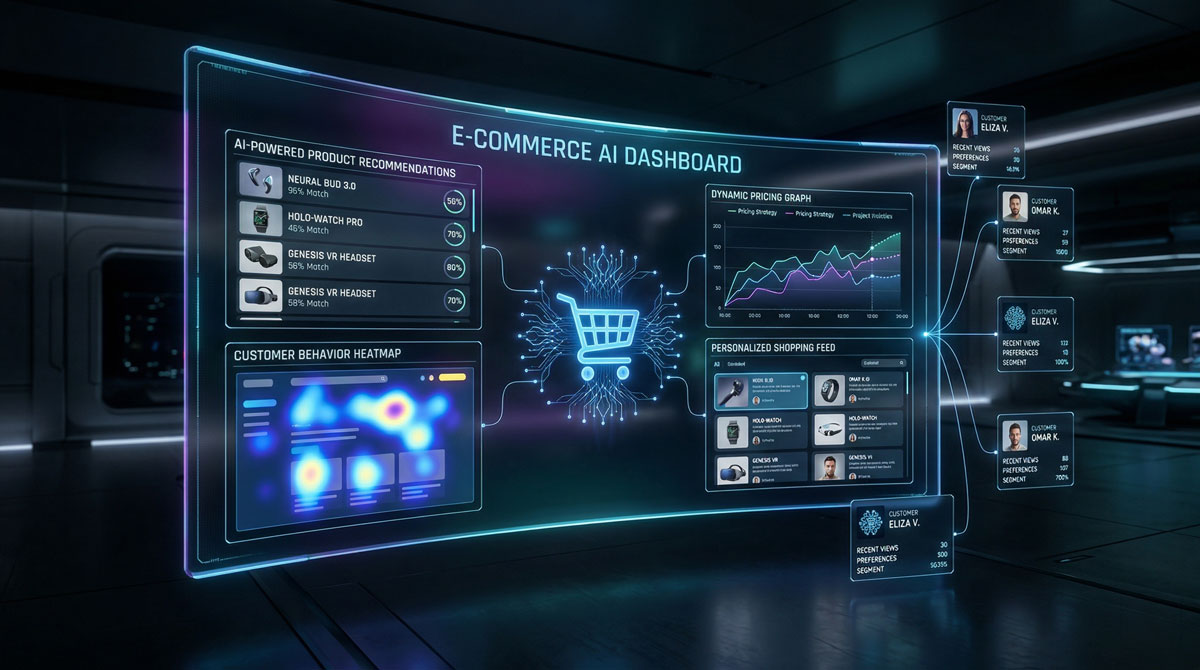
GrubMarket, a prominent player in the food supply chain technology space, has announced the launch of a new AI agent specifically designed for food distributor sales teams. The agent aims to equip sales representatives with real-time access to inventory levels, pricing data, and customer insights, enabling them to make faster, more informed decisions during client interactions.
According to the report from PYMNTS.com, the AI agent is part of GrubMarket's broader effort to digitize and automate the traditionally manual processes within food distribution. By integrating with existing sales workflows, the agent can automatically generate product recommendations, suggest pricing strategies based on market conditions, and provide up-to-date stock availability without requiring the sales rep to manually query multiple systems.
Technical Details
While the full technical architecture has not been disclosed, GrubMarket's AI agent likely leverages large language models (LLMs) and retrieval-augmented generation (RAG) to pull real-time data from backend databases and surface it in a conversational interface. This approach is consistent with the current industry trend of building AI agents that can act as intelligent assistants for domain-specific tasks.
The agent is reportedly designed to integrate with existing enterprise resource planning (ERP) and customer relationship management (CRM) systems, a critical requirement for any B2B sales tool. It can access inventory management systems to check stock levels, pricing engines for dynamic pricing, and customer history databases to personalize recommendations.
Retail & Luxury Implications
While GrubMarket's AI agent is specifically targeted at food distributors, its underlying architecture and use case are directly transferable to retail and luxury sectors. In high-end retail, sales associates frequently need to access real-time inventory across multiple boutiques, check product availability, and provide personalized recommendations to VIP clients. An AI agent can automate these tasks, freeing up associates to focus on relationship building and high-touch service.
For luxury brands, the ability to access real-time stock levels across global stores, suggest complementary products based on client purchase history, and dynamically adjust pricing or availability for exclusive items could significantly enhance the client experience. The same technology that helps a food distributor's sales team check avocado inventories could help a luxury sales associate confirm that a specific Birkin bag is available in Paris.
However, it is important to note that luxury retail has unique requirements: data privacy, brand exclusivity, and the need for human judgment in high-stakes client interactions. An AI agent in luxury should augment, not replace, the sales associate's expertise.
Business Impact

The immediate business impact for GrubMarket's customers is likely measured in reduced time spent on administrative tasks, faster response times to customer inquiries, and potentially higher conversion rates. For retail and luxury, the impact could be even more pronounced: reduced stockouts, increased average order value through better recommendations, and improved client retention through personalized service.
Implementation Approach
Deploying a similar AI agent in a retail or luxury environment would require:
- Integration with existing CRM and ERP systems (e.g., Salesforce, SAP)
- Access to real-time inventory and pricing data
- A conversational interface (chat or voice) that sales associates can use on mobile devices or desktops
- Fine-tuning the underlying LLM on domain-specific data (product catalogs, client histories, brand guidelines)
- Robust data governance to ensure client data privacy and compliance with regulations like GDPR
The complexity is moderate, but the effort is non-trivial for organizations with legacy systems. Most luxury brands will need to invest in data unification before they can fully leverage such an agent.
Governance & Risk Assessment
- Privacy Risk: High if the agent accesses personally identifiable information (PII) of clients. Must ensure data is anonymized or access is restricted.
- Bias Risk: Medium if the agent's recommendations are based on historical sales data that may reflect past biases in client treatment.
- Maturity Level: The technology is production-ready for B2B sales, but luxury-specific deployments are still early-stage. Expect 12-18 months before widespread adoption in high-end retail.
Source: news.google.com