Key Takeaways
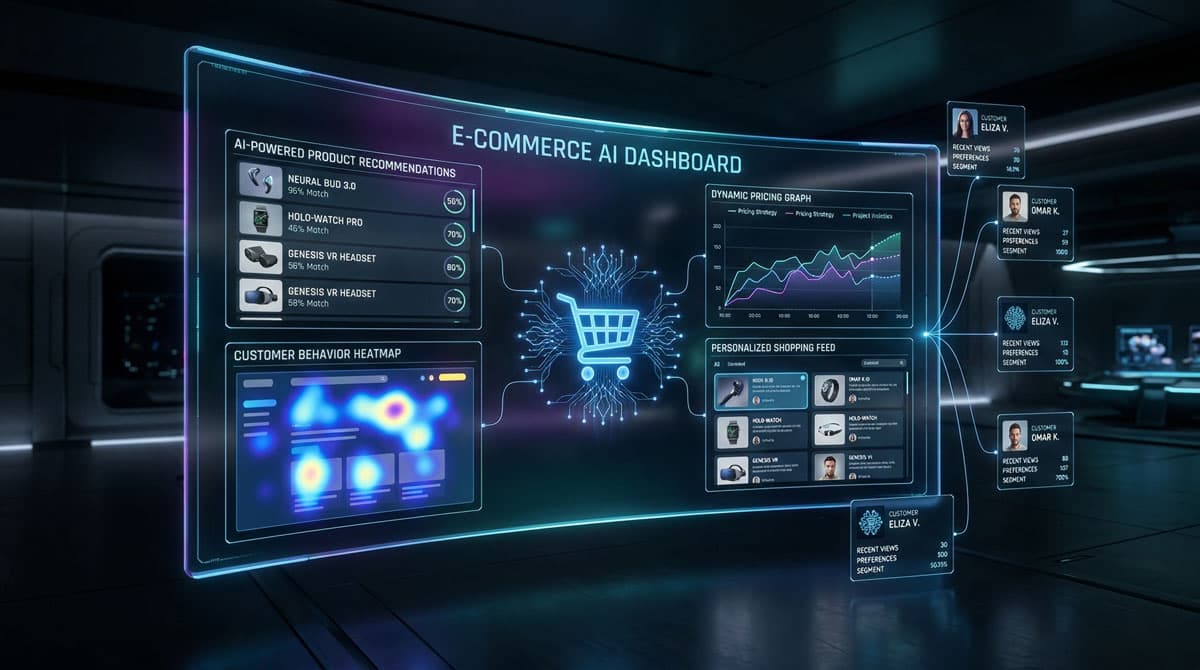
- NIQ reports AI in personalized shopping boosts retail revenue 10-30% by transforming product discovery via predictive analytics.
- This matters as retailers seek competitive edge through customer experience.
What Happened
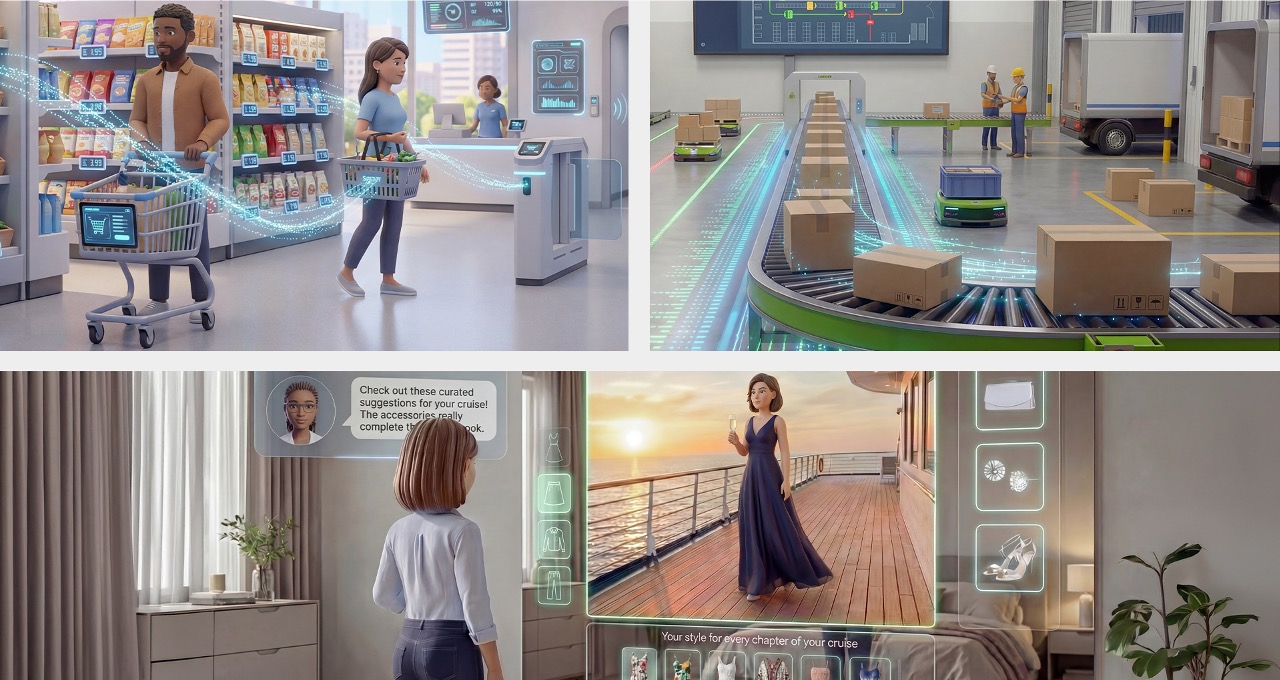
NIQ (NielsenIQ) has released a report detailing how artificial intelligence is revolutionizing personalized shopping experiences, with a clear financial impact: retailers using AI-driven personalization see revenue increases of 10-30%. The report focuses on how AI transforms the way consumers discover products, shifting from static browsing to dynamic, predictive recommendations.
Technical Details
The report highlights that AI personalization leverages predictive analytics to analyze consumer behavior, preferences, and purchase history in real-time. This enables hyper-personalized product recommendations that adapt to individual user journeys. Key technologies include machine learning models that process vast datasets—from browsing patterns to past purchases—to predict what customers will want next.
NIQ emphasizes that this goes beyond simple collaborative filtering. Modern AI systems, often powered by large language models (LLMs) and retrieval-augmented generation (RAG), can understand nuanced queries (e.g., "a winter coat for rainy climates") and surface relevant products from catalogs of millions of SKUs. This is a significant leap from traditional keyword-based search.
Retail & Luxury Implications
For luxury and retail brands, the implications are direct and actionable:
- Revenue Growth: The 10-30% revenue uplift is a strong ROI case for investing in AI personalization. For a brand like Burberry, this could mean millions in incremental sales.
- Customer Experience: Hyper-personalization reduces decision fatigue for high-net-worth customers, who expect curated, white-glove service. AI can simulate a personal stylist by recommending complementary items (e.g., a handbag that matches a recently viewed dress).
- Inventory Efficiency: Predictive analytics can also inform inventory management—recommending products that are in stock and aligning with seasonal trends.
- Channel Integration: The report suggests AI personalization works across e-commerce, mobile apps, and even in-store digital kiosks, creating a seamless omnichannel experience.
However, luxury brands must be cautious: over-personalization can feel intrusive. The key is to balance data-driven recommendations with a sense of discovery and exclusivity.
Business Impact
NIQ's findings align with broader industry trends. According to our Knowledge Graph, Google (through Google Cloud and Vertex AI) is a major enabler of these systems, competing with OpenAI and Anthropic in the AI-as-a-service space. Retailers can leverage Google's Gemini models or custom LLMs to build personalization engines.
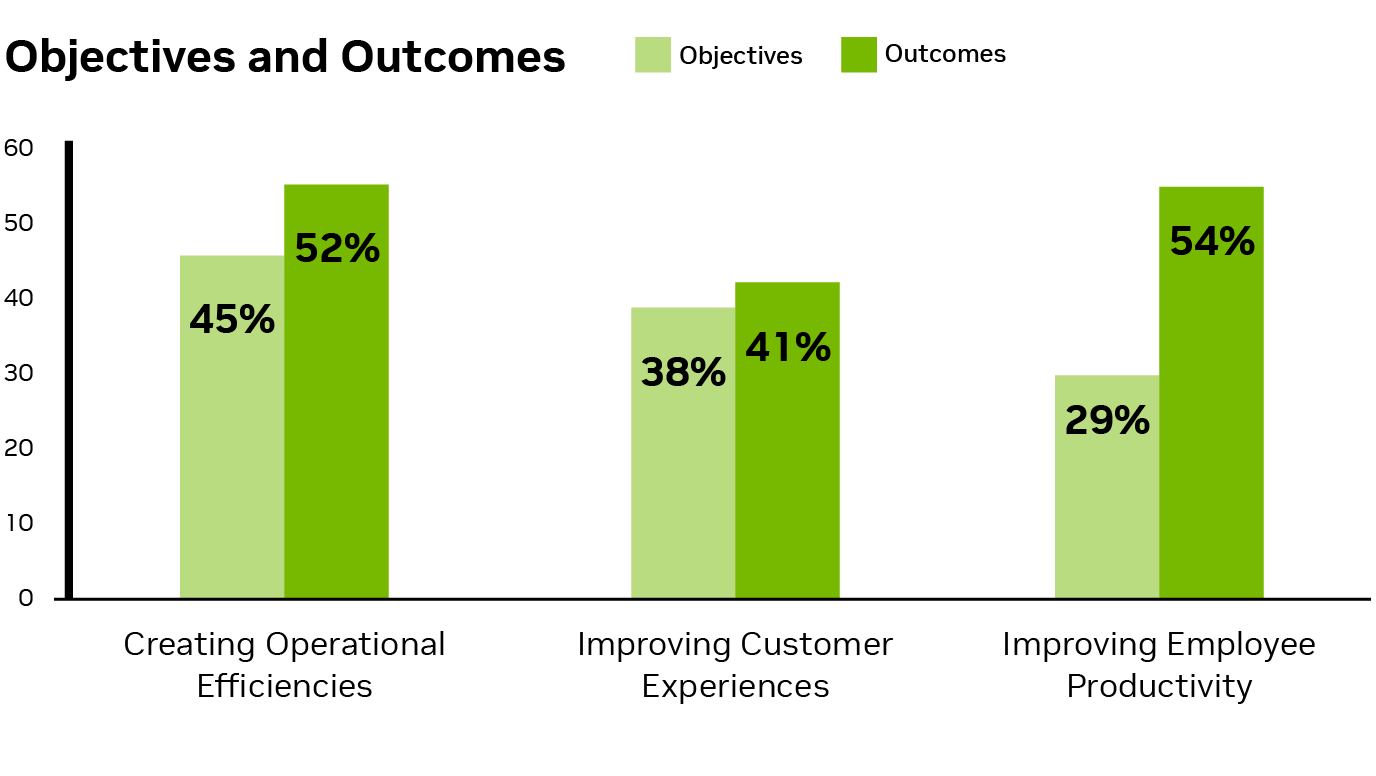
The 10-30% revenue range is significant but depends on implementation quality. Brands that invest in robust data infrastructure and AI talent will see the upper end of that range. Those with fragmented data silos may struggle.
Implementation Approach
- Data Unification: Combine CRM, e-commerce, and loyalty data into a single customer view. Use cloud platforms like Google Cloud for scalable storage.
- Model Selection: Choose between custom-trained models (for unique brand needs) or pre-built solutions via Vertex AI or similar. For luxury, custom models may better capture brand aesthetics.
- Real-Time Personalization: Deploy models that update recommendations in milliseconds as users browse. Google's TPU infrastructure (3 million units booked by 2028) can support this.
- A/B Testing: Continuously test personalization algorithms against control groups to measure lift.
Governance & Risk Assessment
- Privacy: Ensure compliance with GDPR and CCPA. Anonymize data where possible. Avoid over-collection of sensitive attributes.
- Bias: AI models can amplify biases if training data skews toward certain demographics. Regular audits are essential.
- Maturity Level: The technology is production-ready for mid-market and luxury retailers, but small brands may find costs prohibitive.
gentic.news Analysis
NIQ's report is a timely validation of what many AI practitioners have been building. The 10-30% revenue figure is consistent with case studies from Google Cloud and other vendors. However, readers should note that this is an average—top performers (e.g., Nike's SNKRS app) see higher lifts, while laggards see minimal impact.
The report also underscores the competitive landscape: Google, with its Gemini models and Vertex AI, is well-positioned to serve retailers, but OpenAI's GPT models and Anthropic's Claude offer alternatives. The choice depends on data residency needs and brand-specific requirements.
For luxury brands, the challenge is maintaining exclusivity while using AI. The best implementations use AI to augment human expertise—like a personal shopper—rather than replace it. We recommend starting with a pilot in one category (e.g., accessories) and scaling based on results.
Ultimately, AI personalization is no longer optional for competitive retail. The question is not whether to adopt, but how fast and how well.
Source: news.google.com