Key Takeaways
- Guerlain reports the Vanille Planifolia extrait became its #1 best-selling product for five months after organic TikTok videos, leading to the brand’s first paid influencer campaign.
- Sales tripled despite the $660 price, and the fragrance sold out multiple times.
The Innovation — What the source reports
Guerlain, the 198-year-old French perfume house, is doing something it has never done in its history: running a paid influencer campaign. The product in question is Vanille Planifolia, a $660 extrait de parfum that the brand initially considered too niche and supply-constrained to heavily market.
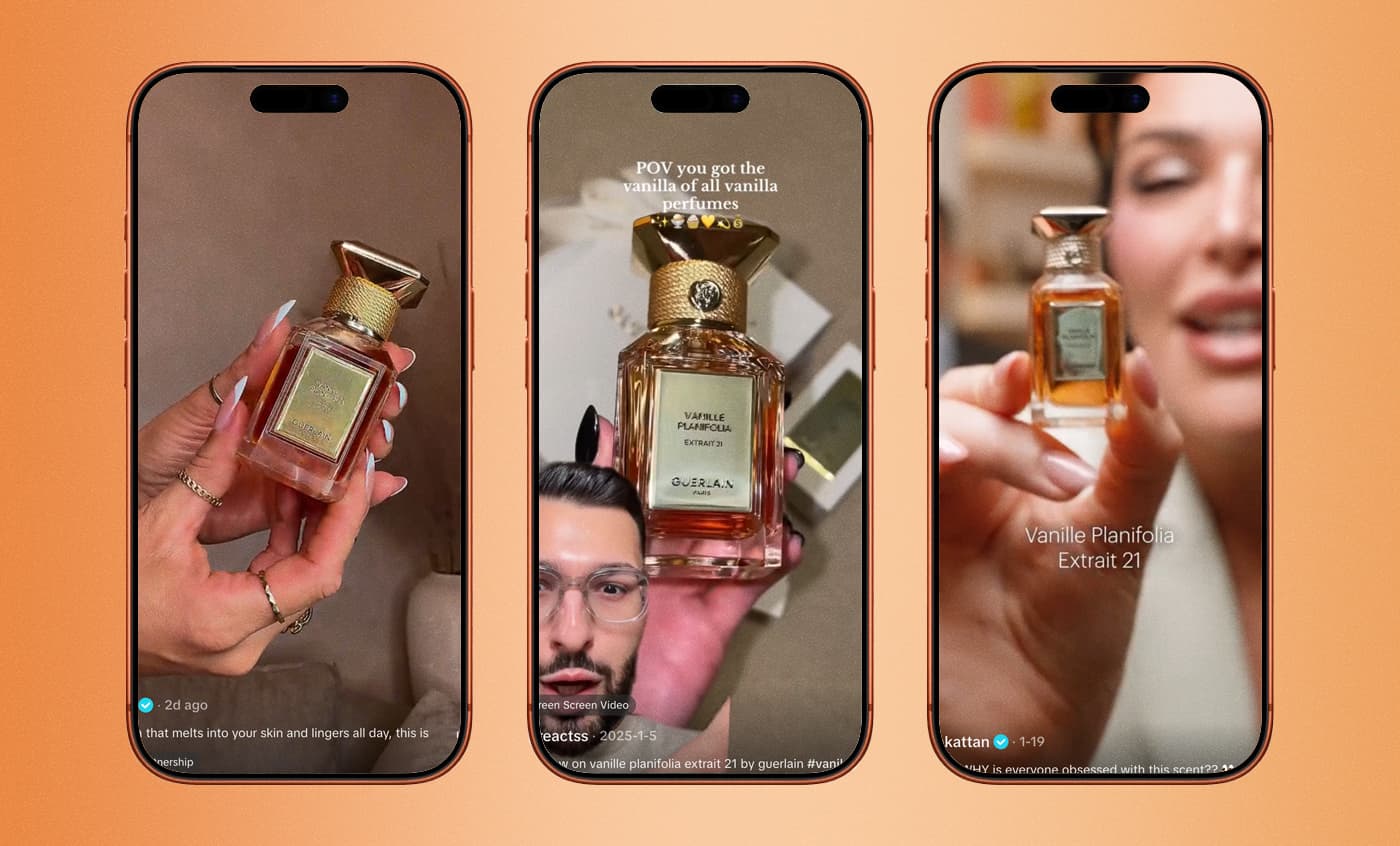
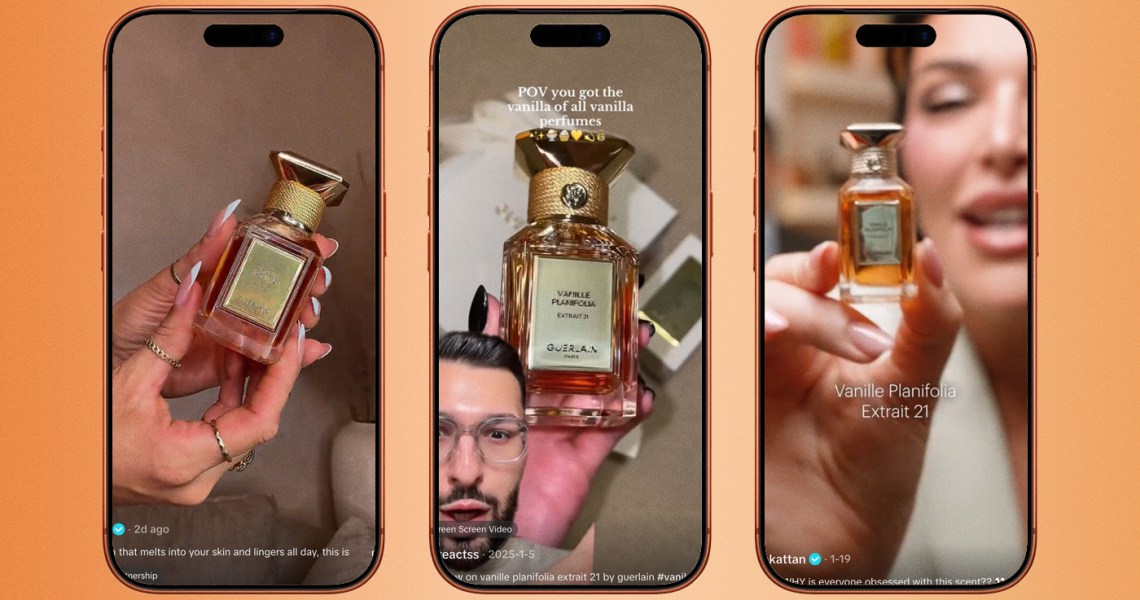
According to Guerlain USA general manager Bertrand Pochet, the campaign emerged not from a planned media push but from an unexpected wave of organic TikTok enthusiasm. In October 2025, beauty creator Aysha Harun (602,000 followers) posted about receiving multiple compliments while wearing the fragrance. Paul Fino (2.8 million followers) organically featured it in January 2025. Mona Kattan, founder of Kayali, posted a video with Guerlain’s master perfumer in January 2026.
The result: Vanille Planifolia has been the #1 best-selling product on Guerlain’s website for five consecutive months. Sales tripled year-over-year. The fragrance generated over 1,500 back-in-stock signups after selling out. "It came extremely organically; we were not really pushing it or supporting it because, first and foremost, [it has such] limited distribution, and second, because it is a very expensive product," Pochet told Glossy.
Why This Matters for Retail & Luxury
This case study challenges several assumptions about luxury fragrance marketing:
Price is not a barrier to virality: A nearly $700 perfume became the top seller without traditional advertising, driven entirely by TikTok creator enthusiasm. The emotional reward of fragrance — particularly for Gen Z consumers seeking self-care and personal expression — overrides price sensitivity in this category.
Gourmand vanilla dominance: Ally McPartland, manager of beauty and luxury at Kearney, notes that vanilla gourmands are a powerful cultural trend among younger consumers. "Vanilla is highly familiar and comforting," she says. The trend aligns with a broader 'treat yourself' luxury mindset.
Organic first, paid second: Guerlain’s strategy represents a textbook example of letting authentic community building drive demand before amplifying with paid media. The campaign is a response to a proven signal, not a gamble.
Business Impact — Honest assessment
The business results are clear and measurable: 3x sales growth, sustained #1 position, and sold-out inventory. For a fragrance priced at $660, these are exceptional metrics. The campaign’s cost was presumably low compared to traditional luxury advertising — initially zero, then a targeted paid push leveraging existing creator relationships.
However, the model may not be easy to replicate. The success depended on specific product attributes (limited supply, unique scent story, strong visual appeal on TikTok) and a rare convergence of high-tier creators organically discovering the scent. Guerlain’s decision to move to paid influencer only after validating sustained demand is a risk-minimization play that other luxury brands could study.
Implementation Approach — What it took
Guerlain’s approach was reactive rather than proactive: the brand did not seed influencers or provide paid briefs initially. The campaign emerged from:

- Product distinctiveness: A 21-day cold-soaked Madagascan vanilla tincture, hand-pollinated, hand-harvested — a story that resonates on TikTok.
- Supply discipline: Limited distribution kept scarcity high, driving urgency.
- Creator relationship management: When organic videos appeared, Guerlain likely engaged with creators to formalize partnerships — the exact details of the paid campaign structure are not disclosed, but the move was to amplify existing momentum.
- E-commerce readiness: The brand’s website captured demand through back-in-stock signups and direct sales tracking.
Governance & Risk Assessment
- Brand integrity risk: Luxury fragrances rely on exclusivity. A viral TikTok moment risks making the product feel too accessible. Guerlain managed this by maintaining limited distribution and not overproducing.
- Creator authenticity: Paid influencer campaigns can erode the organic feel that sparked interest. Guerlain’s strategy of moving to paid only after organic validation mitigates this.
- Scalability challenge: This success was highly contingent on a specific cultural moment. Repeating it for other SKUs would require a flexible social listening infrastructure.
gentic.news Analysis
This story is a masterclass in demand-based marketing for luxury goods. For AI practitioners in retail and luxury, the key takeaway is not about generative AI or RAG — the source contains no technological angle — but about the efficacy of social signals as predictive demand indicators.
Guerlain reacted to organic signals from human influencers. In a more automated scenario, an AI-driven social listening platform could have flagged the early conversation volume from creators like Harun and Fino weeks before the brand leadership noted it, enabling even faster conversion of the organic trend into a paid campaign. Luxury brands today have access to natural language processing tools that can track brand sentiment, competitor mentions, and emerging scent trends in real time. Guerlain’s success was human-led, but the blueprint invites automation.
Moreover, the episode underscores a broader behavioral insight for AI modeling: price sensitivity in luxury fragrance is secondary to emotional resonance. Any recommendation engine or demand-forecasting model used by luxury retailers should weight social media engagement and creator mentions far higher than price elasticity curves.
At a time when many luxury brands are experimenting with AI-generated marketing copy and virtual try-ons, Guerlain’s approach is a reminder that the most powerful AI application may still be simple: identifying where real human enthusiasm is already flowing, and then efficiently scaling its amplification.
This article is based on reporting by Glossy.